The influence of diet on the mental health and behavior of pets
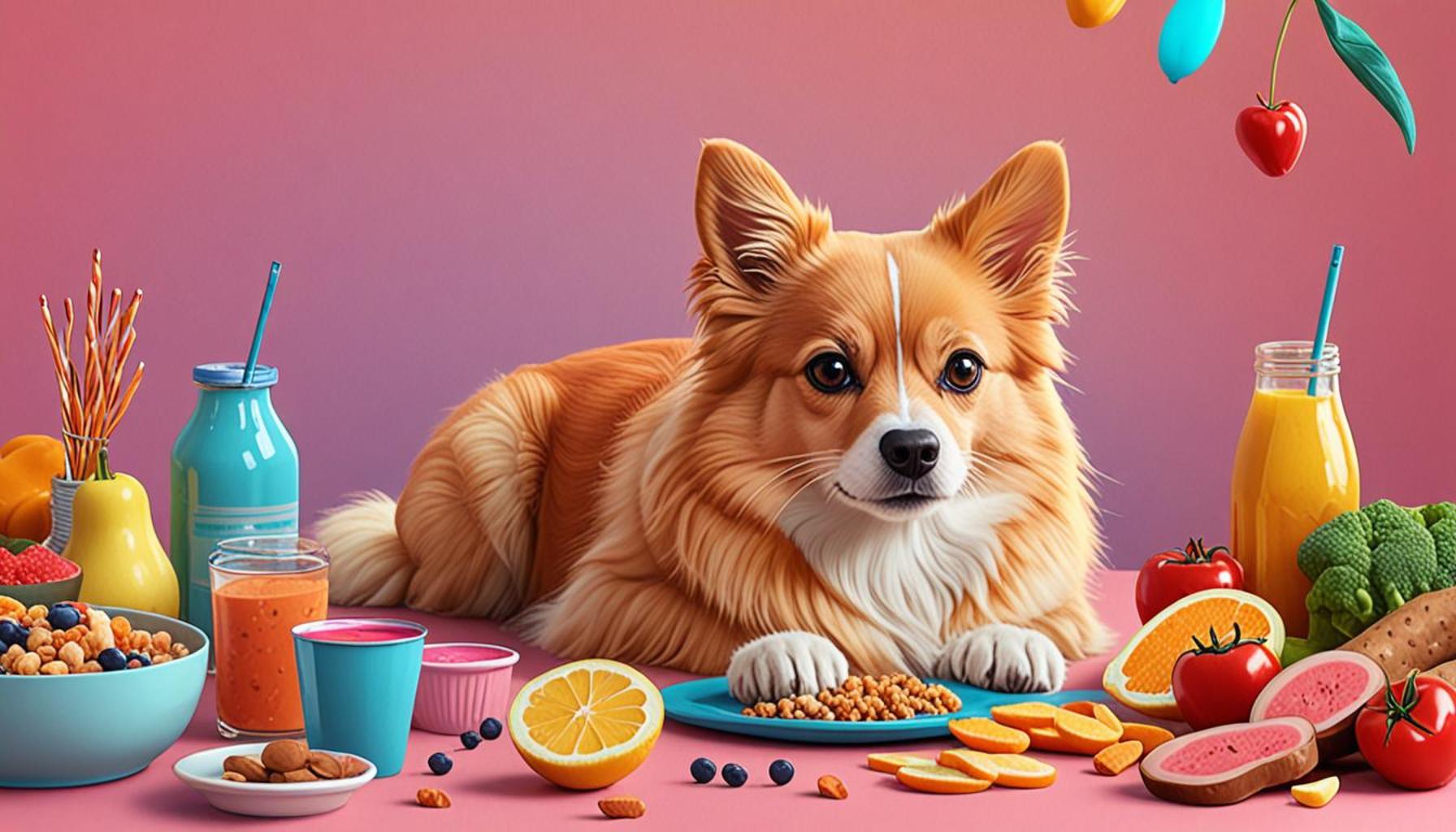
Exploring the Dietary Impact on Pets’ Emotional and Behavioral Health
It is a commonly held belief among pet owners that love and companionship are the primary components of a pet’s happiness. However, the significance of nutrition often goes unnoticed and can play a pivotal role in shaping not only the physical health but also the emotional well-being of pets. Like humans, pets require a balanced diet to thrive, and their behavior can be dramatically affected by what they eat.
Behavioral Changes Linked to Diet
One of the most striking ways nutrition impacts pet behavior is through dietary deficiencies. For instance, a diet lacking essential fatty acids can lead to increased levels of anxiety and aggression in dogs. Similar links have been noted in cats, where a deficiency in B vitamins might contribute to irritability and a lack of sociability. Even seemingly minor changes in pet behavior can often be traced back to their diet. For example, a pet that suddenly becomes lethargic may not just be unwell but could be reacting to an unbalanced diet.
The Role of Cognitive Function
Cognitive health in pets is another area deeply influenced by nutrition. Just as certain foods can enhance cognitive abilities in humans, particular nutrients are crucial for maintaining cognitive function in pets. Omega-3 fatty acids, found in fish oil, and antioxidants, often present in fruits and vegetables, have been shown to support brain health and may reduce the risk of cognitive decline in aging pets. A diet rich in these elements can keep their minds sharp and their moods stable.
Physical Well-being and Its Impact on Mood
Physical health is inherently connected to emotional well-being. A nutritionally complete diet enhances overall health, contributing to increased energy levels and better responses to stress. For example, pets fed high-protein diets may have improved energy and stamina, allowing them to engage more actively with their surroundings. This increased activity can lead to less destructive behavior and a more balanced emotional state.
Local Diet Practices and Their Implications
In Nigeria, the strong culinary traditions can sometimes blur the lines of what is suitable for pets. Many pet owners might offer leftovers from delectable meals, such as jollof rice or spicy stews, under the impression that their pets will enjoy and benefit from these dishes. However, these foods can contain ingredients that are harmful or unsuitable for pets, leading to nutritional imbalances that can result in behavioral issues, like aggression or disruptiveness. For instance, ingredients like onions and garlic are toxic to dogs and should never be included in their diets.
A Call to Action
As research continues to unveil the intricate connections between a pet’s diet and their mental health, it is vital for pet owners to reassess what they put in their pets’ bowls. With a more profound understanding of how dietary habits can impact behavior, pet owners are encouraged to explore quality commercial food options or to consult with veterinarians about homemade diets that fulfill their pets’ nutritional needs. By making informed choices, we can foster happier, healthier lives for our beloved animal companions.
Ultimately, nurturing our pets goes beyond affection; it extends into the crucial realm of their diet. Ensuring that they receive the right nutrients not only supports their physical health but can also create a harmonious environment, reducing behavioral issues and enhancing the overall quality of life. It’s a case of understanding what you feed is what you get in terms of their health and happiness.
YOU MAY ALSO LIKE: Read read another article
Understanding the Link Between Nutrition and Pet Behavior
The profound connection between diet and the mental well-being of pets is a subject that demands more attention from pet owners. Beyond the basics of nutrition, what our pets consume can notably influence their mood and behavior. Scientific studies have increasingly supported the notion that a well-rounded diet significantly contributes to positive behavioral outcomes in animals. Yet, many pet owners are unaware of the specific implications that dietary choices can have.
Nutritional Deficiencies and Behavioral Manifestations
It’s essential to recognize that certain deficiencies in a pet’s diet can lead directly to observable behavioral issues. For instance, a lack of essential minerals and vitamins can manifest in various ways, from increased hyperactivity to more severe anxiety disorders. Specific deficiencies to pay attention to include:
- Omega-3 Fatty Acids: Critical for cognitive function, low levels may result in feelings of anxiety and aggression.
- B Vitamins: Vital for energy metabolism and nerve function; a deficiency can lead to lethargy and irritable behavior.
- Pyridoxine (Vitamin B6): Important for serotonin production, its absence can contribute to mood swings.
These nutritional components play a fundamental role in the emotional landscape of pets. When pets do not receive adequate amounts of these nutrients, their behavior may change in ways that are alarming to owners. For example, a dog that regularly acts friendly may suddenly become aggressive or withdrawn, turning the home environment increasingly stressful.
The Emotional Significance of a Balanced Diet
Beyond just behavior, the emotional impact of a balanced diet cannot be overstated. Think about the comparison to human diets—individuals who consume junk food often find themselves feeling sluggish and irritable. The same principle applies to pets. A diet that is rich in wholesome ingredients like proteins, healthy fats, and essential vitamins can lead to enhanced mood stability and a more positive disposition in our animal companions. It’s not just about feeding them; it’s about fueling their happiness and emotional health.
Specific Pet Foods and Their Effects on Behavior
Pet food brands increasingly recognize the importance of creating formulas that support not just physical health, but also emotional well-being. Many brands now incorporate behavioral wellness into their recipes. For example, formulas fortified with L-Theanine and L-Tryptophan can help calm anxious pets, while diets enriched with antioxidants can help reduce stress and support cognitive function. Furthermore, holistic pet foods may include ingredients like brown rice and sweet potatoes, promoting sustained energy which is vital for maintaining a balanced mood.
In Nigeria, it is also important to consider local pet diets, inclusive of fresh vegetables and grains, as alternatives to traditional pet food. However, pet owners must be vigilant about what human foods are safe for pets. Foods such as beans, certain fruits, and vegetables can be beneficial. Yet, items like chocolate, onions, and garlic remain hazardous. This distinction is critical for preventing both physical and behavioral health problems in pets.
As more pet owners become aware of how integral diets are to mental health, the priority should shift towards making informed, nutritionally sound food choices that promote a healthy and happy pet.
The Role of Nutrition in Pet Behavior
Diet is fundamental to a pet’s overall well-being, influencing not just physical health, but also mental health and behavior. A balanced and nutritious diet can significantly enhance a pet’s mood, energy levels, and behavior, while a poor diet can lead to anxiety, aggression, or lethargy.
For instance, amino acids, particularly tryptophan, are essential for the production of serotonin, a neurotransmitter that regulates mood. Foods rich in these amino acids can promote a calm demeanor in pets. Alternatively, diets high in sugar or artificial additives can result in hyperactivity or irritability. Research has shown that pets consuming a natural, nutrient-dense diet exhibit fewer behavioral issues compared to those fed processed foods.
Furthermore, the balance of omega-3 and omega-6 fatty acids in a pet’s diet also influences its mental state. Omega-3 fatty acids, found in fish and flaxseed, can reduce symptoms of anxiety and depression in pets, offering a natural solution to behavioral problems. A consistent diet that includes these healthy fats can transform a pet’s demeanor over time, promoting a more stable and loving environment.
Importance of Specialized Diets
Some pets may benefit from specialized diets tailored to their unique health requirements. For instance, pets diagnosed with certain emotional or behavioral disorders may require diets that include specific nutrients known to support brain health. Consulting with a veterinarian can lead to formulations that help alleviate anxiety or support cognitive function in aging pets.
As pet owners become more aware of the connection between diet and mental health, the demand for high-quality, natural pet foods continues to rise. This shift reflects a growing understanding that just like humans, pets require a comprehensive approach to their nutritional needs, encompassing both physical and mental well-being. Exploring these dietary influences opens the door to better bonding experiences with our furry friends.
| Advantages | Key Benefits |
|---|---|
| Improved Mood | Nutritious diets can enhance serotonin levels, leading to a more balanced emotional state. |
| Behavioral Stability | A well-rounded diet reduces anxiety-driven behaviors and promotes calmness in pets. |
Understanding the intricate relationship between diet and the mental health of pets is crucial for all pet owners. By tailoring their diets appropriately, we can foster more harmonious, healthy lives for our furry companions.
ADDITIONAL INSIGHTS: Expand your understanding here
Emotional Health and the Power of Functional Ingredients
As the understanding of the link between diet and mental health in pets deepens, the concept of functional ingredients emerges as a powerful factor. These specific nutrients and compounds are not merely for physical sustenance; they serve to enhance emotional and cognitive well-being. For instance, ingredients that are high in antioxidants such as blueberries or spinach can help combat oxidative stress in pets, which is linked to anxiety and behavioral issues. By integrating these components into a pet’s diet, owners can potentially lead their furry friends towards greater emotional resilience.
The Role of Probiotics in Mental Health
Interestingly, recent studies have highlighted the importance of gut health in relation to mental health. The gut-brain axis, the connection between the gastrointestinal system and brain function, suggests that a healthy gut can translate to a happier pet. Probiotics, live bacteria found in fortified foods, play a critical role in maintaining gut health and may even influence mood regulation. Research indicates that a pet’s gut microbiota can affect serotonin levels, potentially leading to improvements in stress-related behaviors.
Pet food brands have started to include probiotics in their formulas, making it easier for owners to provide this essential element. For pets in Nigeria, locally-sourced options such as fermented foods or yogurt—which are safe and nutritious—can be excellent additions to their diets. However, it is crucial to consult with a veterinarian before incorporating these foods to ensure they are suitable for individual pets.
Tailoring Diets to Specific Behavioral Needs
Individual pets may have unique dietary requirements based on their behavior, age, and breed. For instance, puppies and kittens, which are still developing both physically and mentally, may benefit from diets rich in DHA (Docosahexaenoic Acid). This omega-3 fatty acid is known to support brain development and cognitive functions. Older pets may require diets fortified with glucosamine and chondroitin to assist with mobility and comfort, which in turn can alleviate anxiety linked to pain or discomfort.
In Nigeria, an emerging trend sees pet owners seeking specialized food tailored to behavioral issues. For instance, diets designed for aggressive or hyperactive pets may focus on calming ingredients like chamomile or knowing their dietary sources from reliable markets can significantly influence their mental health as well. A diet that promotes calmness can lead to a more peaceful home environment, mitigating conflicts between pets and their owners.
Considerations for Pet Owners
For pet owners in Nigeria, navigating the myriad of pet foods available can be overwhelming. However, a practical approach involves being diligent in reading labels. Look for formulas with recognizable, wholesome ingredients and avoid products with excessive fillers or artificial additives, which may negatively impact behavior. Engaging with local veterinarians is also key; these professionals can provide guidance tailored to the specific needs of pets within the local climate and dietary customs.
The impact of diet on the emotional well-being of pets is a growing area of interest that calls for informed and thoughtful choices from owners. By understanding nutritional science and staying attuned to their pet’s behavior, owners can foster an environment that prioritizes not just physical health, but also the mental clarity and emotional stability of their beloved companions.
YOU MAY ALSO LIKE: Read read another article
Concluding Thoughts on Diet and Pet Mental Health
Understanding the influence of diet on the mental health and behavior of pets is not just a passing trend; it is a vital component in the holistic care of our furry companions. As highlighted in this discussion, the importance of functional ingredients and their role in enhancing emotional stability cannot be overstated. Ingredients rich in antioxidants and probiotics are crucial in promoting a healthy gut-brain connection, which significantly affects a pet’s mood and behavior.
Moreover, tailoring diets to meet the unique needs of individual pets can directly impact their emotional well-being. From supporting cognitive development in young animals to alleviating anxiety in older pets, the right nutritional choices can make a noticeable difference in their daily lives. As pet ownership in Nigeria grows, the demand for specialized pet foods that cater to behavioral issues has also increased, reflecting a greater awareness of how diet influences mental health.
Ultimately, pet owners are encouraged to be proactive in making informed dietary choices, emphasizing the need for high-quality ingredients and consulting with veterinarians for personalized recommendations. By prioritizing a pet’s mental health through a balanced and nutritious diet, owners not only enhance the quality of life for their companions but also foster stronger bonds within the household. The knowledge gained from understanding these dietary influences can pave the way for a more peaceful and joyful coexistence between pets and their families.
Related posts:
How to Prepare Your Pet for Safe and Comfortable Travels
Essential Care for Dogs in Hot Climates in Nigeria
The role of hygiene in disease prevention in pets
The Importance of Socializing Pets for Emotional Well-Being
Tips for Creating a Safe and Stimulating Environment for Pets at Home
How to Identify and Treat Common Allergies in Dogs and Cats

Linda Carter is a writer and pet care expert specializing in pet health, grooming, and wellness. With extensive experience helping pet owners create safe, loving, and enriching environments for their animals, Linda shares her knowledge on our platform. Her goal is to empower readers with practical advice and strategies to ensure their pets thrive and lead joyful, healthy lives.