The Effects of Interaction with Horses on Mental and Emotional Health
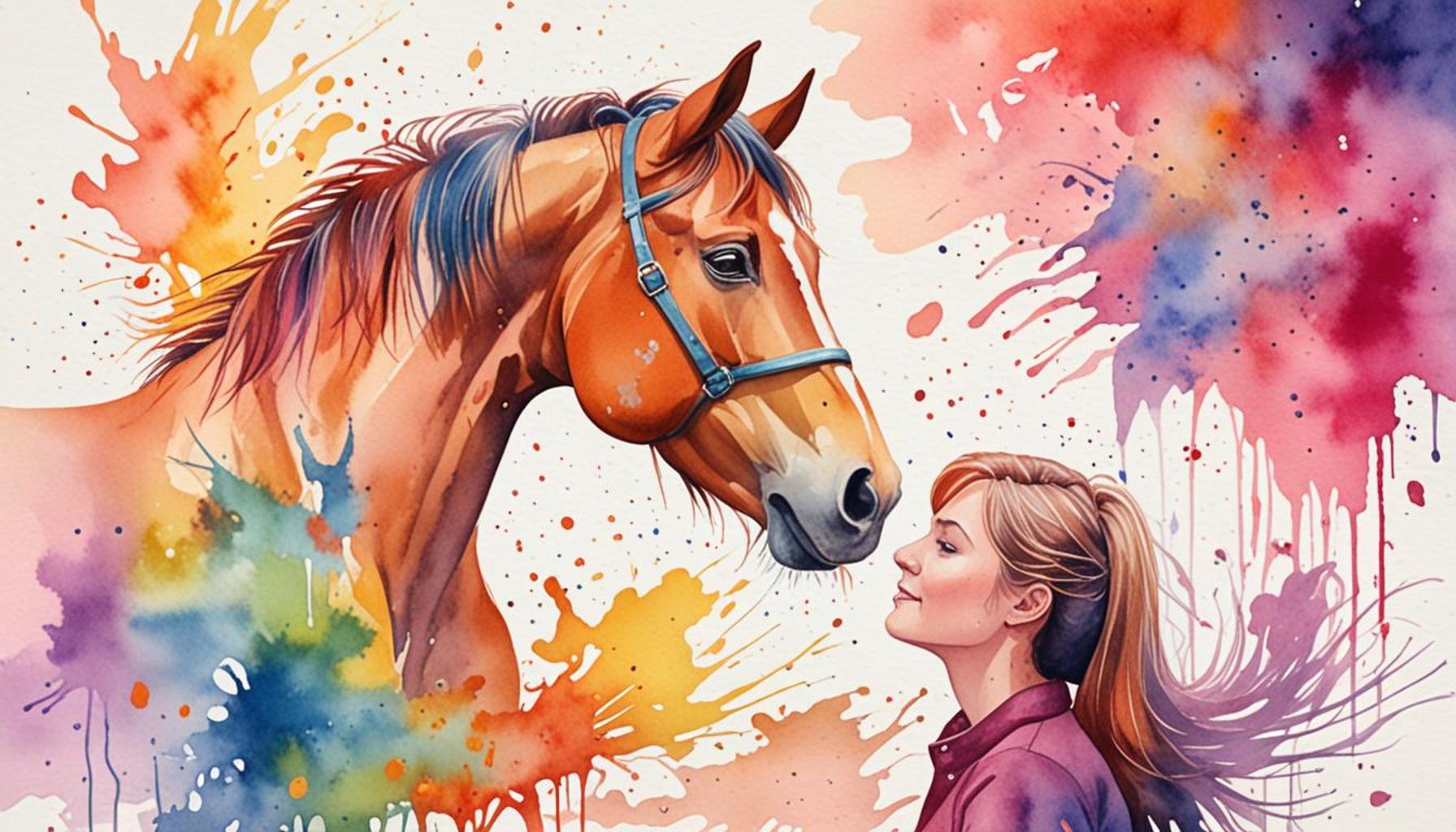
The Remarkable Impact of Horses on Mental and Emotional Well-Being
Have you ever stopped to consider the profound impact that horses can have on our mental and emotional health? These majestic and intelligent animals are more than just companions; they possess a remarkable ability to form connections with individuals on a deeply personal level. The therapeutic power of equine interaction is gaining recognition worldwide, creating a space where healing can take place.
Numerous studies have underscored the myriad benefits of interacting with horses, especially within therapeutic frameworks, showcasing how these interactions can create meaningful change in people’s lives. For instance:
- Reduced Anxiety: Engaging with horses offers a calming effect, significantly lowering the stress and anxiety levels in individuals. The rhythmic sound of a horse’s breath and the gentle feel of their presence can invite a sense of tranquility.
- Improved Mood: The gentle disposition of a horse can serve as a balm for the soul, counteracting feelings of sadness and despair. Many participants in equine therapy have reported an uplift in their spirits after spending time around these animals.
- Enhanced Self-Esteem: The responsibility that comes with caring for a horse fosters a strong sense of achievement and personal growth. As individuals learn the skills required to care for and interact with horses, their confidence naturally rises.
- Increased Empathy: Being in the presence of these sentient beings encourages emotional understanding. Horses are incredibly intuitive, and their reactions can teach us valuable lessons about patience, compassion, and emotional connectivity.
In Nigeria, where traditional values often merge with the complexities of modern life, the bond with horses can provide not only personal healing but also strengthen community ties. Many agricultural communities utilize horses for their work, creating shared experiences that can foster unity and social interactions. Local initiatives that involve horse riding or care can become avenues for therapy, allowing an exchange of support and healing within communities.
Moreover, initiatives like Equine-Assisted Therapy (EAT) and Hippotherapy are gaining traction. These therapies utilize horseback riding and horse-related activities to promote emotional healing and rehabilitation. While often seen in more urbanized settings, their presence is becoming felt in rural Nigerian contexts, where the love for horses intersects with therapeutic practices.
As we continue to explore the remarkable effects of equine interaction, we will unveil more about the science behind these benefits and various therapeutic practices that highlight the pivotal role horses play in enhancing mental health. The journey of understanding this unique bond promises to illuminate the positive impacts of these incredible animals, making a compelling case for their inclusion in mental health strategies across diverse settings.
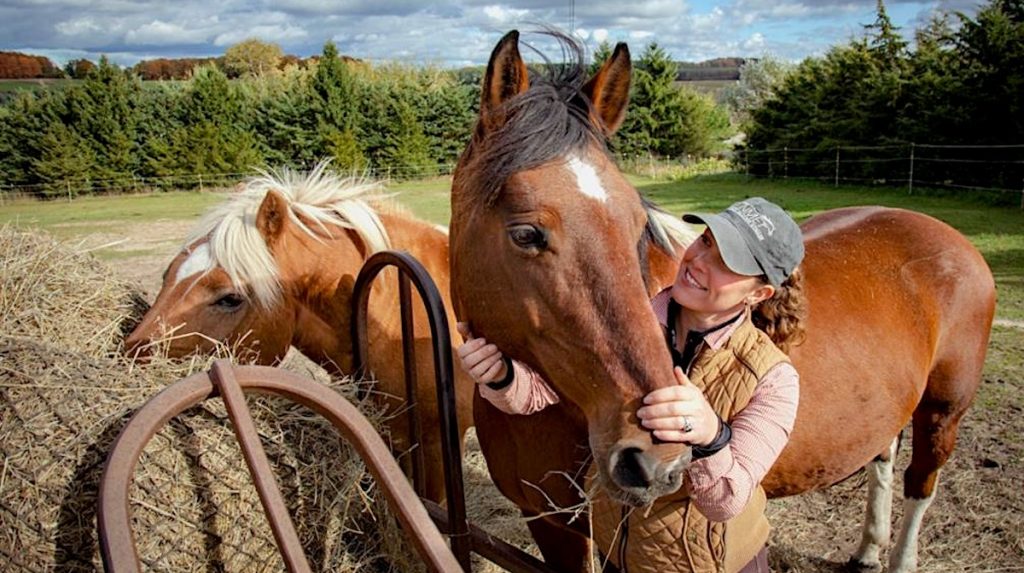
SEE ALSO: Click here to read another article
Exploring the Therapeutic Benefits of Equine Interaction
The emotional and mental health benefits of interacting with horses are not merely anecdotal; they are supported by a growing body of research. More than just animals, horses serve as powerful conduits for emotional expression, healing, and therapeutic growth. Their ability to tune into human emotions makes them exceptional partners in emotional healing processes, particularly for those dealing with mental health challenges.
A significant aspect of this interaction lies in the unique way horses communicate with humans. Unlike other domestic animals, horses are prey animals, and their instincts drive them to be exceptionally aware of their surroundings, including the emotional states of people. This sensitivity enables them to mirror human emotions, leading to the development of a rich, emotionally charged relationship. Here are several ways interacting with horses influences mental and emotional health:
- Stress Reduction: Being around horses can elicit feelings of relaxation due to their calm demeanor. The act of grooming or simply being in close proximity to a horse has been shown to reduce levels of cortisol, the stress hormone, in humans.
- Boost in Mood: Experiencing the companionship of horses can generate feelings of joy and comfort. The positive energy that horses exude significantly contributes to uplighting one’s mood.
- Building Patience and Focus: Learning to ride or care for a horse requires concentration and patience. These attributes are essential for fostering inner peace and enhancing mindfulness, which are beneficial for mental clarity.
- Social Connections: Engaging with horses often leads to interactions with fellow horse enthusiasts. This can cultivate friendships and a sense of belonging, crucial for individuals who may feel isolated.
In certain Nigerian communities, where traditional practices blend seamlessly with contemporary therapeutic approaches, the relationship with horses can provide both individual restorative benefits and collective healing. Communities involved in horse riding clubs or agricultural practices thrive on shared experiences that can alleviate the pressures of modern living. These shared activities build stronger community networks, promote emotional support, and encourage a collaborative spirit.
The rise of Equine-Assisted Therapy (EAT) and Hippotherapy has not gone unnoticed in Nigeria. The incorporation of horseback riding as part of therapeutic practices is starting to gain traction, with local initiatives emerging to cater to diverse populations, including children with special needs and veterans facing post-traumatic stress disorder (PTSD). These programs are crafted not only to harness the therapeutic aspects of equine interaction but also to infuse a sense of traditional Nigerian values into healing processes, thus ensuring their relevance and acceptance among the communities.
As we delve deeper into the multifaceted benefits of engaging with horses, the next sections will uncover the scientific principles underlying these therapeutic practices, examining how they can profoundly impact mental health and emotional resilience. This exploration sheds light on the importance of integrating horses into broader mental health strategies, reinforcing the need for understanding and embracing this unique relationship in diverse cultural contexts.
The Therapeutic Benefits of Equine Interaction
The relationship between humans and horses can yield profound mental and emotional health benefits. Research indicates that interaction with these magnificent creatures may significantly aid in improving anxiety, depression, and stress-related issues. The calming presence of a horse, coupled with the process of grooming and caretaking, creates a unique opportunity for individuals to connect with their emotions in a safe environment.
Moreover, the physical activity involved in horse riding or simply spending time with horses contributes to increased endorphin levels, which are essential for enhancing mood. Individuals often report feeling a sense of calmness and grounding during and after such interactions, leading to a reduction in symptoms of various mental health conditions.
Additionally, horses have a natural ability to mirror human emotions. This profound emotional responsiveness encourages individuals to reflect on their feelings and behaviors, promoting self-awareness and personal growth. Therapeutic riding programs have emerged as effective treatments for individuals facing challenges such as PTSD, learning disabilities, and ADHD, showcasing the versatility of equine-assisted therapy.
As we delve deeper into the benefits of these interactions, it becomes evident that integrating horses into therapeutic practices not only transforms individual lives but also encourages a broader understanding of the human-animal bond. It invites us to explore how these majestic beings can touch our emotional landscapes and reshape our mental well-being.
| Benefits of Equine Interaction | Key Characteristics |
|---|---|
| Improved Mood and Well-Being | Increased endorphin levels through physical activity. |
| Enhanced Self-Awareness | Horses’ ability to mirror human emotions fosters reflection. |
Exploring these facets opens new avenues for understanding mental health and how equine-assisted therapy can pave the way for healing and personal transformation. This growing field merits further investigation as it reveals the intricate connections that bind us not only to ourselves but also to the majestic horses that share this journey.
SEE ALSO: Click here to read another article
The Science Behind the Healing Power of Horses
The profound impact of interacting with horses on mental and emotional health is not only intuitive but is also backed by scientific research. The phenomenon of Equine-Assisted Activities has gained traction in therapeutic circles, largely due to the physiological and psychological effects horses have on humans. Studies have shown that the interaction with these magnificent creatures can stimulate physiological responses that promote healing and well-being.
One of the most compelling studies conducted by the University of Texas revealed that participants in equine therapy programs exhibited significant reductions in anxiety and depressive symptoms after consistent sessions with horses. This is primarily attributed to the release of oxytocin, often referred to as the “love hormone,” during human-horse interactions. Oxytocin helps foster strong emotional bonds, enhances feelings of trust, and significantly lowers stress levels, creating an environment conducive to healing.
Additionally, engaging with horses can activate the parasympathetic nervous system, which promotes a state of calm and relaxation. Techniques such as breathing in sync with a horse or mirroring its movements facilitate mindfulness practices. In a country like Nigeria, where daily stressors can be overwhelming, these therapeutic practices through horse interaction pave the way for mental restoration and emotional balance.
Horses are highly social animals and exhibit behaviors that encourage social interaction. Many equine professionals posit that horses function as social mirrors, reflecting the emotional states of their human companions. This mirroring can reveal emotional issues that might otherwise go unaddressed. By facilitating an open dialogue about feelings that arise during the interaction with horses, participants can gain insights into their emotional landscapes, fostering greater emotional awareness and resilience.
The relationship nurtured through horse care can also cultivate important life skills, such as trust, responsibility, and empathy. These skills are invaluable not only in personal development but also in enhancing interpersonal relationships. As caregivers of horses, individuals in therapy learn to appreciate the nuances of another being’s needs, mirroring the importance of understanding and connecting with others—a vital component for those recovering from trauma or neglect.
The integration of horses into therapeutic practices also reflects broader societal changes that emphasize holistic approaches in mental health. Notably, innovative programs in Nigeria are beginning to leverage indigenous knowledge about animal behavior alongside modern therapeutic techniques. These initiatives represent a unique fusion of traditional healing customs and emerging psychological practices, hence resonating more strongly within local cultures.
Furthermore, with the challenges of urbanization and societal shifts that affect mental health in Nigeria, the use of equine therapy offers a natural retreat from the stresses of city life. Local communities are beginning to recognize that breeding or raising horses isn’t merely for sport or tradition; it can become a conduit for mental well-being.
As further studies unfold and more communities discover the multifaceted benefits of equine interaction, it is essential to pave pathways toward integrating these approaches into mainstream mental health strategies. By doing so, we arm ourselves with innovative tools aimed at fostering resilience, emotional stability, and wellness across diverse populations.
YOU MAY ALSO LIKE: Read read another article
Conclusion
In summary, the effects of interaction with horses on mental and emotional health cannot be overstated. As evidenced by various studies, such as those conducted by the University of Texas, engaging with horses can significantly reduce anxiety and depressive symptoms, thanks to the release of oxytocin and the activation of the parasympathetic nervous system. This provides individuals with a unique therapeutic avenue, where not only do they find solace, but they also develop important life skills such as trust, empathy, and responsibility.
In Nigeria, the integration of equine therapy into the mental health landscape aligns seamlessly with local traditions, making it an accessible and culturally resonant option for healing. As communities begin to embrace the mental wellness potential that comes from horse interactions, the recognition of these animals as companions in therapy offers new hope for fostering emotional stability in urbanized areas plagued by everyday stressors.
Furthermore, as research advances and more therapeutic programs are implemented, it is imperative that society considers the incorporation of Equine-Assisted Activities as a mainstream strategy for mental health improvement. This approach not only provides innovative tools for recovery but also inspires a broader cultural appreciation for the healing bond between humans and horses.
Ultimately, the dialogue around mental health in Nigeria should include the unique contributions that horses can make—their presence can illuminate pathways towards resilience and wellness, urging all individuals to explore and appreciate the complexities of their emotional landscapes while embracing the companionship of these magnificent creatures.
Related posts:
Animal-Assisted Therapy: How Pets Help in the Recovery from Mental Illnesses
Cats and Health: The Positive Impact of Feline Presence on Stress Reduction
How the Pet Company Can Help in the Fight Against Loneliness in Old Age
The Positive Effects of Pet Companionship on the Mental Health of Nigerians
The Influence of Pets on Reducing Depression Symptoms: A Look at Pet Therapy
How Pets Contribute to Lowering Blood Pressure

Linda Carter is a writer and pet care expert specializing in pet health, grooming, and wellness. With extensive experience helping pet owners create safe, loving, and enriching environments for their animals, Linda shares her knowledge on our platform. Her goal is to empower readers with practical advice and strategies to ensure their pets thrive and lead joyful, healthy lives.