Service Dog Breeds and Their Characteristics in Supporting People with Disabilities in Nigeria
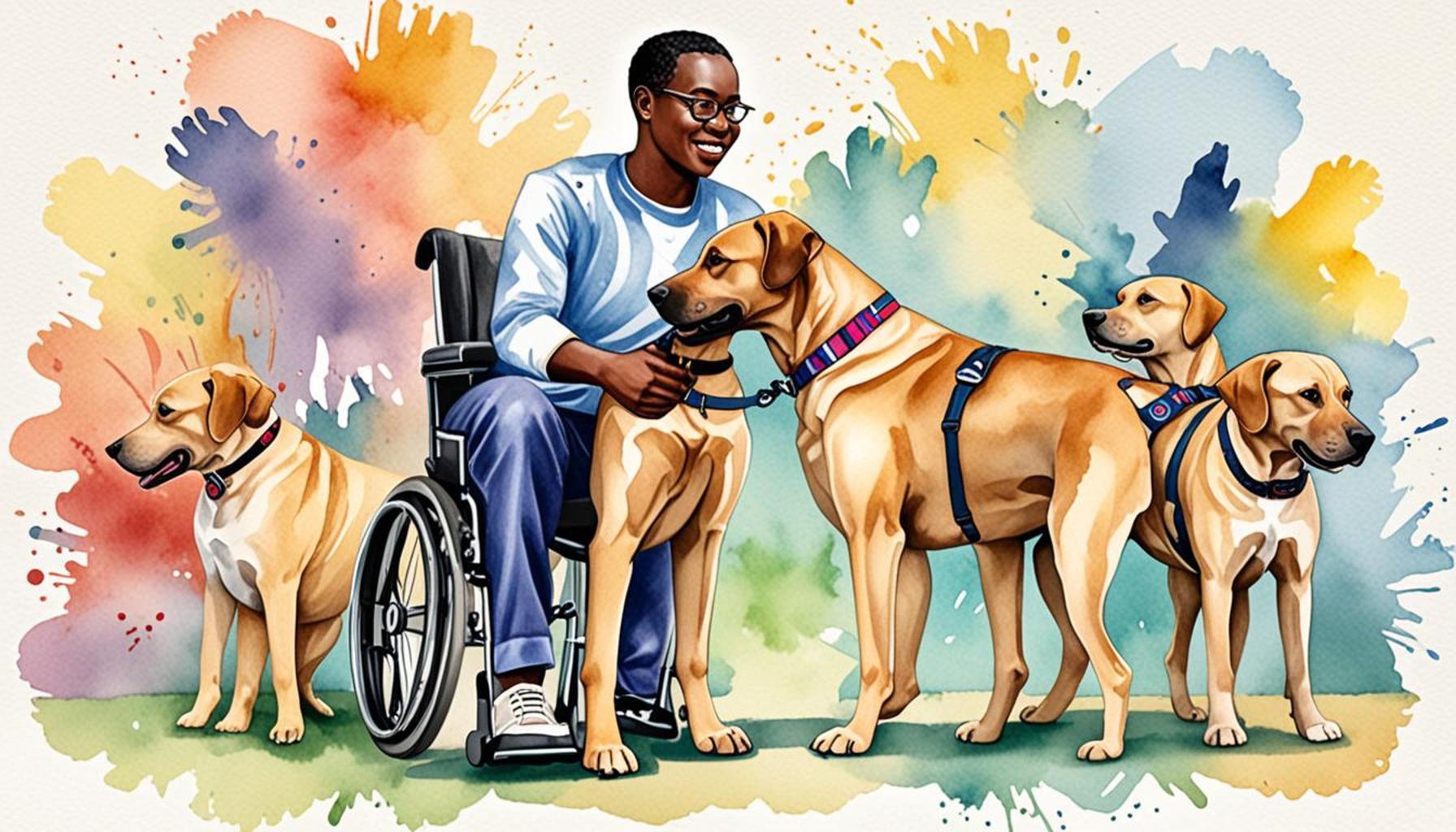
Understanding Service Dog Breeds in Nigeria
Service dogs play a crucial role in enhancing the lives of individuals with disabilities, providing not just assistance but also companionship. In Nigeria, the understanding and acceptance of these incredible animals are growing, with many people recognizing the invaluable support they can offer. While service dogs are trained to assist people with various disabilities, including physical and mental health challenges, they can also forge deep emotional connections with their handlers, contributing to an improved quality of life.
Several dog breeds stand out in their suitability for service roles, each offering unique characteristics that cater to different needs. Here are some of the most popular service dog breeds found in Nigeria:
- Golden Retrievers: Known for their friendly and obedient nature, Golden Retrievers are ideal candidates for therapy and assistance roles. Their gentle temperament makes them excellent companions for individuals with anxiety or depression, as they promote a sense of calm and security.
- Labrador Retrievers: Renowned for their intelligence and versatility, Labradors excel in various tasks, such as helping people with visual impairments or medical alert functions. Their eagerness to please their handlers makes them easy to train, ensuring they can efficiently perform necessary tasks.
- German Shepherds: German Shepherds are well-known for their loyalty and strength. Often used for mobility assistance, they can help individuals navigate their environment safely. Their protective instincts also offer a sense of security to their handlers, making them highly valued for support.
- Boxers: These dogs are adaptable and affectionate, often providing emotional support and companionship. Their playful nature and energy can uplift the spirits of those dealing with chronic conditions or mental health issues, emphasizing the importance of emotional well-being.
Each breed is trained to address specific disabilities, ensuring that individuals receive the appropriate support according to their needs. For instance, a service dog trained for mobility assistance can pick up dropped items, open doors, or pull a wheelchair, while other dogs may specialize in alerting their handlers to oncoming medical issues like seizures or diabetic emergencies.
The bond between service dogs and their handlers is profound, illustrating the transformative potential of these animals in daily life. This relationship empowers persons with disabilities, fostering independence and a renewed sense of agency.
As awareness of the benefits of service dogs grows in Nigeria, it is vital for communities to understand the specific traits of various breeds. Such knowledge not only cultivates empathy but also enables better integration of service dogs into public spaces, ensuring that people with disabilities can navigate their environments with ease and dignity.
In conclusion, the journey towards embracing service dogs in Nigeria signifies a broader commitment to inclusivity. By acknowledging the critical roles these dogs play and promoting the awareness of their unique capabilities, society can continue to improve the lives of individuals with disabilities, ultimately leading to more empowered and independent living experiences.
SEE ALSO: Click here to read another article
Choosing the Right Service Dog Breed for Specific Needs
When considering a service dog to support individuals with disabilities in Nigeria, it is essential to understand the characteristics and skills of various breeds. Each breed brings distinct qualities that can either enhance their effectiveness in support roles or cater to the specific needs of their handlers. Here, we delve deeper into a few breeds that are particularly well-suited for service functions, focusing on their traits and the ways they can aid individuals with different disabilities.
Key Characteristics of Service Dog Breeds
Service dogs differ significantly in their capabilities, temperament, and training requisites. Understanding these differences can help prospective handlers make informed decisions. Below are some notable breeds, along with their characteristics and how they can provide support:
- Golden Retrievers: These dogs are not only friendly and obedient, but they also possess a high level of intelligence and a gentle disposition. Their calm nature is especially beneficial for individuals suffering from conditions such as PTSD or anxiety disorders. Their innate ability to sense emotions allows them to provide comfort during distressing moments.
- Labrador Retrievers: Often regarded as the ideal service dog, Labradors’ versatility is unrivaled. Their keen sense of smell allows them to assist with medical alerting, such as signaling the onset of a seizure or detecting fluctuations in blood sugar levels for diabetic patients. Additionally, they are known for their sociability, making them wonderful companions in public settings.
- German Shepherds: Known for their strength and intelligence, German Shepherds are often employed in tasks requiring physical assistance. With their training capabilities, they can be ideal for mobility support, helping individuals navigate challenging terrains or retrieving essential items. Their protective nature also adds an extra layer of security for their handlers.
- Boxers: With their playful demeanor and energetic disposition, Boxers offer more than just physical assistance. They excel in providing emotional support, often helping alleviate the feelings of isolation and loneliness commonly associated with chronic illnesses or mental health challenges.
Moreover, the understanding of these breeds sheds light on the potential they hold in improving the daily lives of persons with disabilities. As Nigeria continues to foster a supportive environment for those who need assistance, recognizing the unique contributions of each breed is vital. Not only do these dogs assist in practical tasks, but they also build meaningful connections that enrich the lives of their handlers.
As communities become more aware of the diverse capabilities of service dog breeds, they play an essential role in fostering inclusivity. This growing understanding ensures that individuals with disabilities can access adequate support systems, thus paving the way for easier navigation of public places and enhancing overall quality of life.
| Service Dog Breeds | Characteristics & Support |
|---|---|
| Labrador Retriever | Friendly, intelligent, and highly trainable; ideal for mobility assistance and emotional support. |
| Golden Retriever | Affectionate and loyal; specializes in therapy work, enhancing emotional wellbeing. |
| German Shepherd | Protective and versatile; excels in guide work for visually impaired individuals. |
| Poodle | Highly intelligent and hypoallergenic; great for individuals with allergies, and useful in mobility assistance. |
The choice of service dog breeds plays a crucial role in providing effective support to people with disabilities in Nigeria. Understanding their unique characteristics allows for better matching of dogs to the specific needs of individuals. For example, the Labrador Retriever is not only friendly and intelligent but also highly trainable, making it an excellent companion for mobility assistance and emotional support. Similarly, the Golden Retriever is known for its affectionate nature, specializing in therapy work to enhance emotional wellbeing. These breeds, along with others like the German Shepherd and the Poodle, are pivotal in creating an inclusive environment for individuals with disabilities, increasing independence, and facilitating social interaction. Each breed contributes uniquely to the development of support systems that empower disabled individuals in Nigeria, prompting a community discussion on how these bonds can be fostered.
SEE ALSO: Click here to read another article
How Service Dog Breeds Tailor Their Support to Diverse Disabilities
As the landscape of disability support in Nigeria evolves, the role of service dogs has gained significant attention. The unique characteristics of various breeds empower them to address specific disabilities effectively. Beyond the commonly recognized breeds, alternatives like Beagles and Poodles exhibit distinctive traits that position them as valuable assets in the service dog community. Each breed’s inherent qualities and adaptability are crucial for ensuring that individuals receive the assistance they require.
More Service Dog Breeds and Their Capabilities
In addition to Golden Retrievers, Labradors, German Shepherds, and Boxers, several breeds offer exceptional support tailored to different disabilities:
- Beagles: Although primarily recognized for their tracking abilities, Beagles possess an endearing temperament and a remarkable sense of smell. This makes them well-suited for roles involving emotional support as well as medical alert functions. They can alert individuals with allergies, assist with detection tasks, and provide companionship that eases feelings of anxiety.
- Poodles: Available in standard, miniature, and toy sizes, Poodles are highly intelligent and trainable. Particularly in Nigeria, where environmental factors may challenge certain breeds, Poodles adapt well to many situations. Their hypoallergenic coat also makes them a practical choice for individuals with allergies. This breed excels in mobility support and can be trained to perform specific tasks tailored to their handler’s needs.
- Siberian Huskies: While they are often seen as working dogs in harsh climates, Siberian Huskies can also serve as service dogs, especially for individuals who enjoy active lifestyles. Their endurance and playfulness make them excellent companions for individuals with disabilities requiring outdoor mobility assistance or emotional connections with pets that encourage outdoor activities.
- Bernese Mountain Dogs: Renowned for their gentle disposition and patience, Bernese Mountain Dogs are particularly effective for individuals with physical mobility challenges. Their size and strength enable them to assist in pulling wheelchairs or carrying bags for their handlers, providing invaluable physical support in various environments such as busy markets or community gatherings.
Raising awareness about the capabilities of these service dog breeds within Nigerian communities is paramount. They have the potential to bridge the gap between disability and independence, allowing individuals to pursue community engagement more freely. This growing recognition also involves cultural adaptation; for instance, the understanding that service dogs can function in a variety of climates, such as Nigeria’s diverse weather conditions, is crucial for selecting an appropriate breed.
Furthermore, as more Nigerians consider integrating service dogs into their lives, educating the public about the role these canine companions play in enhancing autonomy is vital. Initiatives aimed at showcasing the success stories of individuals paired with service dogs can foster an understanding of how these dogs not only provide practical support but also enrich the emotional and psychological well-being of their handlers.
In summary, recognizing the varied breeds available for service work, understanding their unique attributes, and promoting their benefits further establishes the foundation for a more inclusive society in Nigeria. As communities continue to advocate for the rights and needs of individuals with disabilities, the contribution of service dogs cannot be overstated. Their presence enhances not just the lives of their handlers but also cultivates compassion and a sense of community within the broader society.
CHECK OUT: Click here to explore more
Conclusion: Embracing the Role of Service Dogs in Nigerian Society
As we delve into the world of service dog breeds and their unique characteristics, it becomes evident that these remarkable companions have the power to transform the lives of individuals with disabilities in Nigeria. From emotionally supportive Beagles to versatile and hypoallergenic Poodles, each breed offers distinct traits suited for various needs and environments. This highlights the importance of selecting the right breed to maximize the assistance they provide.
Moreover, the potential of service dogs extends beyond physical support; they are instrumental in enhancing the emotional well-being of their handlers, allowing for a greater sense of independence and social integration. The growing awareness and acceptance of service dogs within Nigerian communities symbolize a broader movement towards inclusivity. Educating the public on the roles these dogs can play is essential for further dissolving misconceptions and encouraging more individuals to consider the possibilities these canine companions provide.
To pave the way for a more inclusive society, it is crucial for stakeholders—from government bodies to grassroots organizations—to collaborate and promote the benefits of service dogs. By showcasing success stories and educating communities, we can foster an environment where the contributions of service dogs are recognized and valued. Ultimately, the journey towards embracing service dog ownership in Nigeria is not just about the individuals relying on them; it is a collective path towards building a compassionate society that thrives on understanding, empathy, and collaboration.
Related posts:
Characteristics of Pet Fish Breeds and Their Care in Nigerian Aquariums
Pet Reptile Species and Their Specific Needs in the Nigerian Context
Characteristics of Hunting Dog Breeds and Their Suitability for the Nigerian Rural Environment
Behavioral Characteristics of Dog Breeds in the Nigerian Context
How Cat Breed Traits Shape Their Personality Behavior
Characteristics of Pet Animal Breeds Adaptable to Urban Environments in Nigeria

Linda Carter is a writer and pet care expert specializing in pet health, grooming, and wellness. With extensive experience helping pet owners create safe, loving, and enriching environments for their animals, Linda shares her knowledge on our platform. Her goal is to empower readers with practical advice and strategies to ensure their pets thrive and lead joyful, healthy lives.