Nutritional Supplements: What Your Cat Really Needs for a Healthy Life
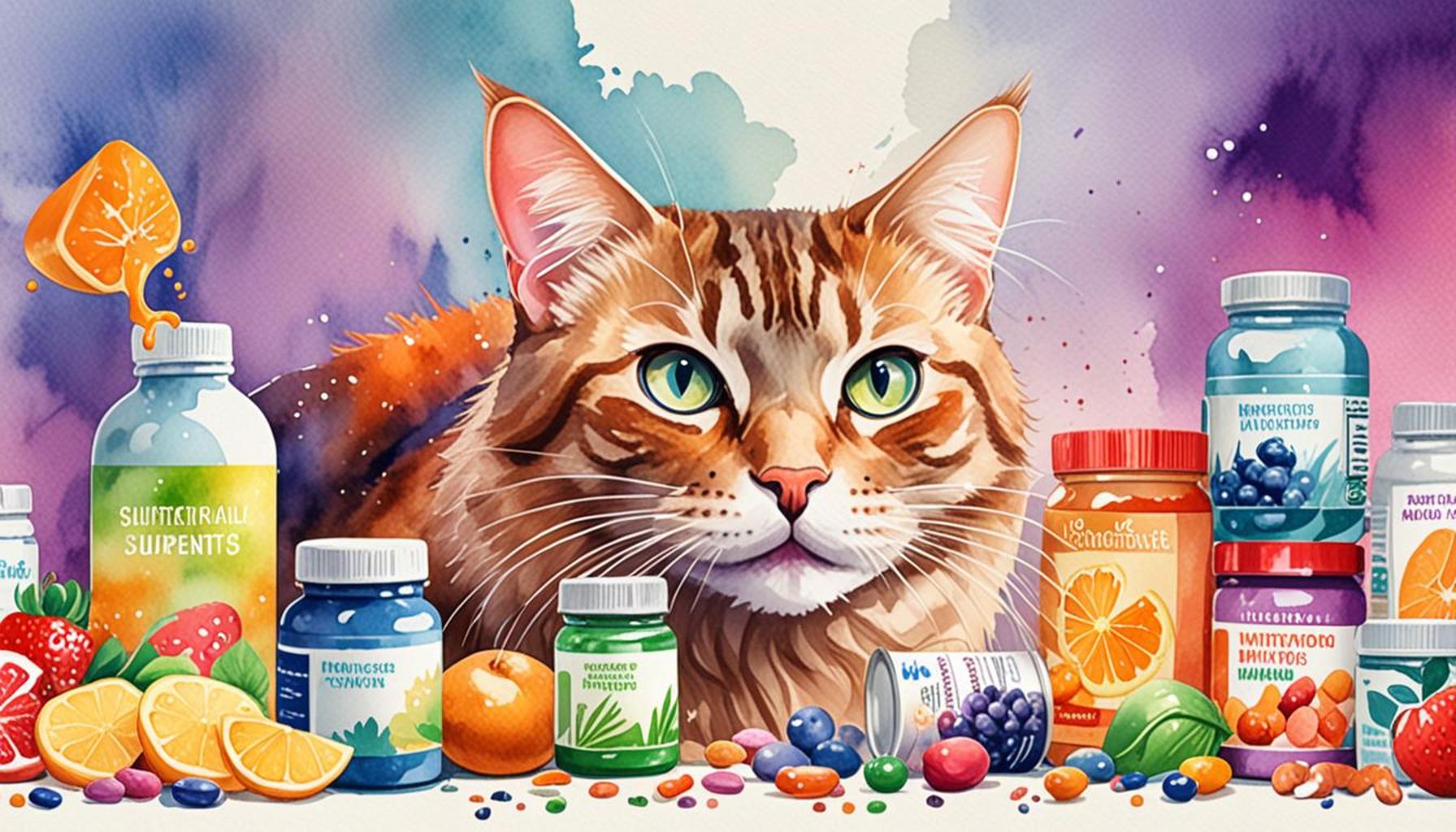
Decoding Cat Nutrition: The Essentials
As cat owners, our priority is nurturing a happy and healthy companion. A pivotal aspect of this responsibility lies in understanding the nutritional needs that go beyond simply feeding them regular cat food. Incorporating the right nutritional supplements can be instrumental in ensuring your feline friend achieves optimal health, longevity, and vitality.
With an abundance of nutritional supplements on the market, it can feel daunting to discern what is genuinely necessary for your cat. Here are some key components to consider when evaluating supplements:
- Vitamins and Minerals: These are essential for enhancing immune function and overall vitality. For example, Vitamin E acts as an antioxidant, while Vitamin A is vital for maintaining healthy vision. Minerals like calcium and phosphorus also play a role in bone health.
- Omega Fatty Acids: Known for their benefits in promoting a shiny coat and healthy skin, Omega-3 and Omega-6 fatty acids can significantly reduce allergies and skin irritations. Fish oil supplements can be particularly beneficial for cats that may not get enough fatty acids from regular diets.
- Probiotics: These beneficial bacteria help maintain gut health and improve digestion. For cats struggling with digestive issues or occasional upset stomachs, probiotics can provide relief and foster a balanced gut microbiome.
In Nigeria, where dietary practices and available food options can vary significantly, it’s essential to choose products that consider local diets and potential nutritional deficiencies. For instance, if your cat tends to consume fish or chicken prominently, it is worthwhile to seek out supplements that complement these protein sources, ensuring they receive a well-rounded diet. Knowing what nutrients your cat may be lacking can lead to empowered decisions that enhance their quality of life.
Before introducing any new supplement to your cat’s diet, it is crucial to thoroughly assess their unique health requirements. This includes paying attention to their age, weight, activity level, and any existing health issues. Consulting a veterinarian can provide tailored advice and recommendations, guiding you in making informed choices.
This article will delve deeper into what your cat truly needs in terms of nutrition and help you uncover insights that can significantly contribute to their overall well-being. Armed with knowledge, you can transform your cat’s diet into a foundation for a thriving life.

LEARN MORE: This related article may interest you
Understanding Your Cat’s Dietary needs
To ensure your beloved feline enjoys a long and healthy life, it is crucial to delve into their specific dietary requirements. Cats are obligate carnivores, meaning that their bodies are designed to derive essential nutrients primarily from animal sources. However, the quality of their diet, including the adequacy of nutritional supplements, plays a significant role in maintaining their overall well-being.
When thinking about supplements for your cat, it is wise to recognize the following categories that can profoundly impact their health:
- Amino Acids: Cats require certain amino acids that they cannot synthesize on their own. For instance, taurine is critical for heart function, vision, and reproductive health. Without adequate taurine, a cat’s health can rapidly deteriorate. Including amino acid supplements can bolster their dietary intake.
- Fiber: This component is essential for maintaining healthy digestion and preventing obesity in cats. Fiber supplements can aid in regulating their bowel movements and managing weight. Common sources include psyllium husk and beet pulp, which can be particularly beneficial for indoor cats that may experience hairballs or constipation.
- Antioxidants: Found in fruits and vegetables, antioxidants help combat oxidative stress in the body. Supplements containing vitamins C and E or plant-derived compounds like grape seed extract can significantly enhance your cat’s immune function, counteracting the effects of age and environmental stressors.
In Nigeria, where many households prepare homemade meals for their pets or rely on local brands, understanding the specific nutrients your cat might be missing is crucial. While traditional diets of fish, chicken, or even rice may be well-liked by your cat, these sources often lack vital nutrients. Supplementing their meals with the right balance of vitamins, minerals, and amino acids can make all the difference in their health journey.
Before you embark on introducing nutritional supplements to your cat’s regimen, it is advisable to assess their individual needs thoroughly. Factors such as age, breed, activity level, and pre-existing health issues will influence what supplements are truly beneficial. In Nigeria, a veterinarian’s guidance can be invaluable for tailoring a supplement plan that considers local dietary habits, ensuring your cat receives the most effective nutrients.
As you explore the world of nutrition for your feline companion, it is essential to stay informed. Taking the time to understand what supplements your cat genuinely needs is not just about preventing deficiencies; it is about actively promoting a healthier, more vibrant life for your furry friend.
| Supplement Type | Key Benefits |
|---|---|
| Omega-3 Fatty Acids | Promotes heart health and reduces inflammation, aiding in improved mobility. |
| Probiotics | Supports digestive health and enhances food absorption, promoting overall wellness. |
In the quest for optimal feline health, it’s crucial to explore various nutritional supplements that can significantly enhance your cat’s quality of life. The inclusion of omega-3 fatty acids in your cat’s diet can lead to dramatic health improvements, particularly concerning heart function and joint mobility. Additionally, introducing probiotics into your cat’s nutrition can work wonders for their digestive system. A flourishing gut flora not only helps in better nutrient absorption but can also bolster your cat’s immune system.Increasingly, pet owners are turning to these scientifically backed supplements to address specific health concerns in their feline friends. As you delve deeper, you’ll uncover a range of options tailored for specific issues, such as skin allergies, dental health, and even mental well-being. Staying informed about these valuable supplements can truly make a difference in your cat’s overall health and longevity.
ADDITIONAL INSIGHTS: Expand your understanding here
The Importance of Essential Fatty Acids
Beyond vitamins and minerals, essential fatty acids (EFAs) play a vital role in ensuring your cat’s health. These polyunsaturated fats, particularly omega-3 and omega-6 fatty acids, support various physiological functions including skin and coat health, brain function, and even joint mobility. In Nigeria, supplementing your cat’s diet with sources of EFAs, such as fish oil or flaxseed oil, can be particularly beneficial, especially for cats prone to skin irritations or allergies.
Moreover, research has shown that omega-3 fatty acids can improve cognitive function and may help reduce the risk of chronic diseases, making them a critical addition to any feline diet. Given the rising trend of pets living longer lives, maintaining cognitive sharpness through quality nutrition is indeed something to consider.
Probiotics: The Guardians of Digestive Health
Probiotics are another category of supplements gaining attention among pet owners. These beneficial bacteria support gut health, preventing digestive issues like diarrhea, constipation, and more serious gastrointestinal disorders. In the diverse dietary landscape of Nigeria, where ingredients may vary greatly in terms of nutritional content and digestibility, probiotics can help create a balanced microbiome in your cat’s digestive system. Look for probiotic supplements specifically formulated for felines; they can also aid in stress reduction during travel or other changes in your cat’s environment.
- Lactobacillus acidophilus: This strain can improve digestion and enhance nutrient absorption.
- Bifidobacterium bifidum: Often found in a range of probiotic products, this bacteria supports overall gut health and immune function.
Considering Multivitamins and Minerals
In situations where dietary intake lacks variety, multivitamins and mineral supplements can provide a safety net to bridge nutritional gaps. Cats, particularly those on homemade diets, might miss out on critical nutrients like magnesium, calcium, and B vitamins. For instance, insufficient calcium can lead to dental problems and skeletal issues over time. In Nigeria, where domesticated cats might have more sporadic access to certain foods, incorporating a reliable multivitamin can help ensure that your feline remains healthy and active.
Specific Health Concerns
Every cat might not require the same supplements; thus, understanding individual health needs is essential. For instance, cats suffering from conditions like arthritis may benefit from glucosamine and chondroitin supplements, which can help alleviate joint pain and support mobility. In areas where cats are more prone to infections or immune-related disorders, consider discussing immune-boosting supplements like echinacea or colostrum with your veterinarian.
When considering nutritional supplements for your cat, it is essential to consult with a veterinarian who understands the nuances of feline health in the Nigerian context. Factors such as local food availability, common health issues, and individual cat preferences can greatly influence what supplements may be most effective and safe for your furry family member. This informed approach can help you provide a well-rounded and nutritious diet tailored to your cat’s unique needs, ensuring they thrive in every stage of life.
RECOMMENDED: Check out this similar article
Conclusion: Elevating Your Cat’s Health with Thoughtful Nutrition
In the ever-evolving world of feline health, nutritional supplements emerge as a pivotal aspect of ensuring our beloved cats lead vibrant and long lives. As demonstrated throughout this article, the integration of essential fatty acids, probiotics, and multivitamins can significantly enhance your cat’s overall well-being. With the unique dietary landscape in Nigeria, it is evident that certain supplements can help bridge the gap when traditional diets fall short, particularly for cats that are prone to specific health issues.
Moreover, understanding your cat’s individual health needs is paramount. A tailored approach—considering factors like age, activity level, and any existing health conditions—ensures that you choose the right supplements for maximum efficacy. This necessitates the guidance of a knowledgeable veterinarian who knows the intricacies of feline health in regional contexts.
Ultimately, being proactive about your cat’s nutrition can prevent a host of health problems, allowing your furry companion to thrive at every stage of their life. As you explore the fascinating options available, always remember that a balanced diet, supplemented wisely, can lead to a happier, healthier cat—one that fully embodies the joy and companionship we cherish. Stay informed, consult the experts, and invest in your pet’s nutritional needs today for a better tomorrow.
Related posts:
How Animal Nutrition Affects the Health and Behavior of Pets
The Influence of Nutrition on the Dental Health of Pets
How Nutrition Affects Ideal Weight and Obesity in Dogs and Cats
Special Nutrients for Senior Pets: What to Consider
The Importance of Balanced Nutrition for Long-Term Canine Health
Specific Diets for Pets with Food Allergies

Linda Carter is a writer and pet care expert specializing in pet health, grooming, and wellness. With extensive experience helping pet owners create safe, loving, and enriching environments for their animals, Linda shares her knowledge on our platform. Her goal is to empower readers with practical advice and strategies to ensure their pets thrive and lead joyful, healthy lives.