Impact of Genetic Characteristics on Dog Breeds for Nigerian Families

Deciphering the Genetic Blueprint of Dog Breeds
When considering adding a furry member to a family in Nigeria, it’s essential to delve into the genetic characteristics that define various dog breeds. These characteristics influence a dog’s temperament, adaptability, and overall compatibility with daily life in diverse settings. From the bustling urban areas of Lagos to the serene countryside, understanding the genetic makeup of different breeds can significantly enhance the experience of dog ownership.
Temperament: The Character from Within
Different breeds exhibit varying temperaments due to their genetic predispositions. For instance, the Nigerian Local Dog often shows an instinct to be both alert and friendly, making it a popular choice for families who prioritize companionship alongside security. In contrast, breeds like the Rottweiler are known for their protective instincts, which can be a double-edged sword; while they are excellent watchdogs, they require careful socialization to ensure they are well-adjusted. Understanding these intrinsic behaviors allows families to select a dog that fits seamlessly into their lifestyle and provides security without unnecessary aggression.
Size Matters: Space and Environment Considerations
The size of a dog is another critical factor influenced by genetics. Larger breeds, such as the German Shepherd, are often ideal for families with ample outdoor space to roam and play. However, for families residing in urban flats, smaller breeds or mixed breeds might be a more practical choice. For example, a compact breed like a Chihuahua can adapt well to smaller living environments due to its size, yet it still offers companionship and affection. Thus, potential dog owners must assess their living conditions against the needs of different breeds.
Health Implications: A Long-term Commitment
Each dog breed carries a unique set of genetic health predispositions. For example, while German Shepherds are revered for their intelligence and versatility, they are often afflicted by hip dysplasia and other genetic disorders. This necessitates a long-term commitment to veterinary care and potential corrective measures, which families must consider when selecting a breed. Additionally, adopting mixed breed dogs can sometimes mitigate such genetic health risks, creating a healthier pet with a robust genetic diversity.
In Nigerian culture, where dogs are valued as family companions and protectors, making an informed choice about breeds can enhance not only security but also the emotional well-being of family members. Breeds like the Rottweiler and German Shepherd can provide both companionship and safeguarding, while the local breed offers a more adapted and resilient choice for Nigeria’s climate and lifestyle.
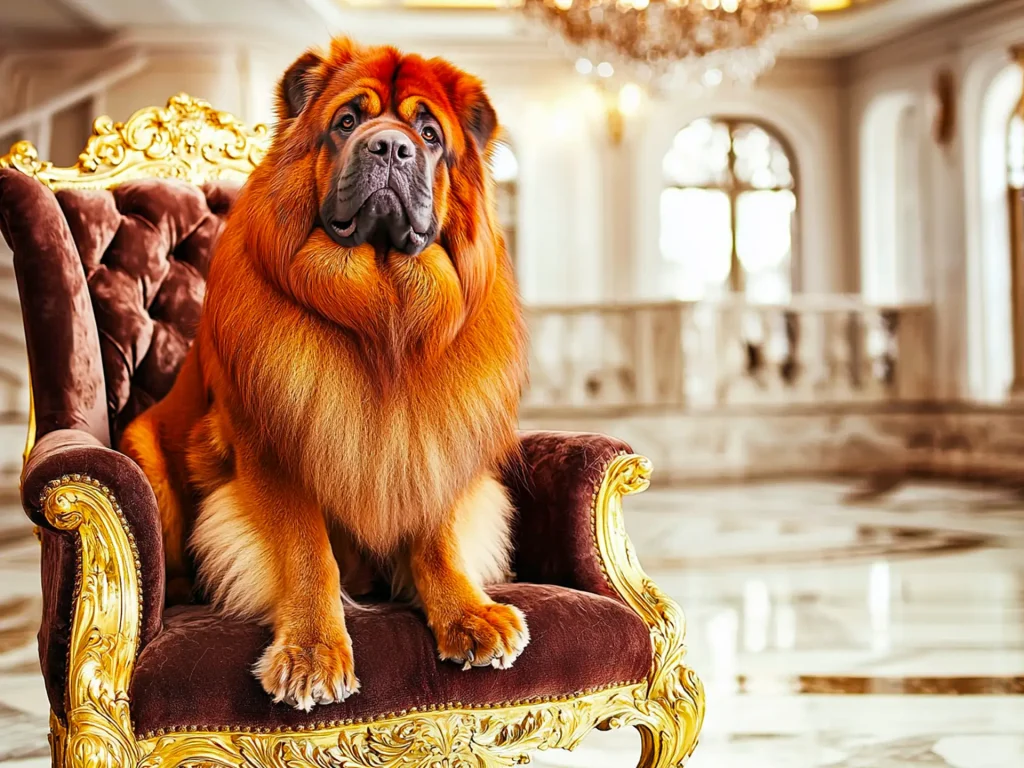
Ultimately, educating oneself about the influence of genetic characteristics on dog breeds transcends personal preference — it embodies responsible pet ownership. Emphasizing these aspects can lead to the joyous integration of dogs into families, fostering a lasting bond that contributes positively to both human and canine lives. Thus, potential pet owners in Nigeria are encouraged to explore the nuanced interaction of genetics and breed traits, which can significantly shape their pet ownership journey.
CHECK OUT: Click here to explore more
Understanding Adaptability: Genetics and Lifestyle Compatibility
The adaptability of a dog breed to its environment can often be traced back to its genetic characteristics. In Nigeria, where climatic conditions can range from the humid tropical environment of the coastal regions to the arid conditions of the north, certain breeds showcase remarkable resilience. Breeds like the Basenji and African Boerboel have a historical backdrop of thriving in various environmental conditions due to their genetic makeup. Their innate ability to cope with heat and limited resources makes them suitable companions for Nigerian families living in various climates.
When choosing a dog, families must consider how a breed’s genetics influence its adaptability. For example, hunting breeds, such as the bloodhound, possess strong instincts that can sometimes turn problematic in urban settings, where roaming can pose risks. On the other hand, the Nigerian Local Dog has been known to adapt efficiently to both urban and rural living, showcasing its ability to be socialized and trained effectively within diverse settings.
Activity Levels: Matching Energy with Lifestyle
Another critical area where genetics plays a crucial role is in a dog’s energy levels. Each breed has its unique characteristics and requirements for exercise, which can influence the household dynamic. In Nigerian families, where time for exercise may be limited amid daily responsibilities, selecting a breed with a temperament that matches the family’s activity level is essential. Here are a few examples:
- High Energy Breeds: Breeds like the Belgian Malinois and Pointer require significant physical activity and mental stimulation, demanding dedicated time for exercise.
- Moderate Energy Breeds: The Bulldog or Beagle can balance between active playtime and relaxation, making them suitable for busy families.
- Low Energy Breeds: Breeds such as the Pekingese or Cavalier King Charles Spaniel thrive with minimal exercise, making them ideal companions for families with a more laid-back lifestyle.
Understanding the varying energy levels associated with breeds allows families to align their expectations and reality, ultimately fostering a happier home for both humans and dogs. Furthermore, genetic health considerations tied to a breed’s activity level can play a role in long-term care strategies.
In sum, the interplay of a breed’s genetic characteristics, including adaptability and energy levels, is paramount in ensuring that a dog will thrive alongside Nigerian families. By emphasizing these traits in the decision-making process, families can cultivate a fulfilling companionship that aligns with their lifestyle, creating a harmonious bond that lasts a lifetime.
Understanding the Impact of Genetic Traits on Dog Breeds
The significance of genetic characteristics in dog breeds is crucial for Nigerian families looking to choose the right canine companion. In a country with a diverse culture and environment, understanding how genetic traits influence temperament, health, and adaptability is essential. For instance, some breeds may have inherent traits that make them more suitable for the urban lifestyle prevalent in cities like Lagos, while others may thrive better in rural settings. When considering a dog for the family, it’s critical to evaluate behavioral traits linked to genetics. Breeds known for their friendly and sociable nature, such as Golden Retrievers, are often a preferred choice for families with children. These breeds tend to be more tolerant and protective, creating a harmonious household environment.Moreover, genetic predispositions towards certain health conditions can affect long-term care and expenses. For example, large breeds like Great Danes are prone to specific health issues that can lead to costly veterinary care. Families must equip themselves with knowledge about these health risks tied to genetics to prepare for responsible pet ownership.Additionally, some breeds exhibit a higher intelligence and trainability factor, enabling them to adapt seamlessly to the needs of Nigerian families. Breeds such as Border Collies or Poodles can easily engage in various training for obedience, agility, or service tasks, making them exceptionally beneficial for families requiring assistance or even just a well-mannered pet in a bustling environment.As families consider dog ownership, research into these genetic traits can greatly inform choices, ensuring that they find a breed that not only fits their lifestyle but also contributes positively to the household dynamic. Understanding these genetic impacts can inspire families to consider adoption and the promotion of hybrid vigor, which often results from mixed breeding.To delve deeper into the genetic aspects and their implications, exploring various resources or consulting with veterinarians and breeders can provide further insights into this fascinating aspect of dog breeds tailored for Nigerian families.
| Genetic Characteristics | Impact on Families |
|---|---|
| Temperamental Traits | Influence on family dynamics; certain breeds are more sociable and tolerant. |
| Health Predispositions | Potential for high veterinary costs; informed breed choice can mitigate these risks. |
Understanding these facets of dog breeds can help ensure that Nigerian families not only choose a pet that fits their lifestyle but also fosters a deeper bond rooted in understanding and care.
ADDITIONAL INSIGHTS: Expand your understanding here
Health Considerations: Genetic Predispositions and Care Needs
Understanding the genetic predispositions of dog breeds offers deep insights into potential health issues that may arise throughout their lives. Many breeds possess distinctive genetic traits that can affect their longevity and well-being. For Nigerian families, awareness of these genetic traits is crucial in making informed choices about which breed to welcome into their lives.
For instance, certain breeds, such as the German Shepherd and Golden Retriever, are known to have genetic dispositions toward hip dysplasia and other orthopedic issues. These problems can be exacerbated by environmental factors such as uneven terrain or inadequate exercise, common to various living conditions in Nigeria. Therefore, families must be prepared to manage these health challenges with appropriate veterinary care and lifestyle adjustments. Selecting breeds that exhibit lower tendencies for hereditary conditions can relieve some of this burden.
The Importance of Regular Health Screening
Regular health screening is particularly vital for breeds that are genetically predisposed to specific health issues. Nigerian families should prioritize routine vet check-ups, which can catch early signs of genetic disorders. Common practices in this regard include:
- Genetic Testing: Many veterinary clinics offer genetic testing services that can provide insight into potential health risks associated with specific breeds. This is particularly beneficial for hybrid breeds.
- Vaccinations and Preventative Care: Ensuring that dogs receive timely vaccinations and preventative care can help reduce the risk of health complications that may arise from their genetic background.
- Nutrition and Exercise: Understanding the specific nutritional needs tied to certain breeds can help prevent obesity and other health issues, as some breeds may gain weight more easily than others.
Furthermore, understanding that some breeds may have specific dietary restrictions or supplements crucial for their health will enable families to better care for their pets. For instance, large breeds like the Great Dane may require a diet tailored to support bone and joint health due to their rapid growth stages.
Socialization and Behavioral Traits
Beyond physical health, genetic characteristics also play a significant role in socialization and behavior. Breeds develop behavioral traits that can dictate their interactions with humans and other pets. For Nigerian families, these traits can have profound implications on family dynamics and community relationships. For instance:
- Guarding Instincts: Breeds such as the Rottweiler or Airedale Terrier are known for their protective nature. While this trait can be beneficial for security, it also necessitates careful training to ensure they are well-adjusted in a home with children and guests.
- Friendliness and Temperament: The Cocker Spaniel or Labrador Retriever are typically friendly and approachable, making them excellent companions in social settings, but they also require adequate training to avoid overenthusiastic behavior.
Developing an understanding of these behavioral traits can influence training approaches and ultimately affect how well the dog integrates into family routines. In regions with specific cultural practices, such as festivals or communal events, the breed’s demeanor becomes critical for ensuring safety and enjoyment.
In summary, acknowledging the impact of genetic characteristics on health and behavior allows Nigerian families to make more informed decisions when selecting dog breeds, ensuring not only compatibility but also promoting longer and healthier lives for their pets.
CHECK OUT: Click here to explore more
Conclusion: Embracing Genetic Knowledge for Healthier Canine Companions
The impact of genetic characteristics on dog breeds is a pivotal consideration for Nigerian families seeking to add a furry member to their households. By understanding the health predispositions and behavioral traits inherent to various breeds, families can make informed decisions that align with their lifestyles, thus enhancing the experience of canine companionship.
As highlighted, breeds like the German Shepherd and Golden Retriever may pose specific health challenges, necessitating vigilant care and preventive measures. With the availability of genetic testing and routine vet check-ups, families can stay ahead of potential health concerns, ensuring their pets enjoy long, vibrant lives. Equally important is recognizing the role of socialization and behavioral instincts, which profoundly affect family dynamics and interactions within the community.
The cultural significance of dogs in Nigeria further amplifies the need for understanding breed characteristics. From fostering companionship to serving protective roles, selecting the right breed can enrich family life while cultivating responsible pet ownership. Moreover, as families engage in training and socialization tailored to their dog’s genetic predispositions, they contribute positively to the wellbeing of their pets and the safety of their environments.
In conclusion, the journey of welcoming a dog into a Nigerian family is not just about choice but understanding. This genetic awareness empowers families to provide the best care, ensures harmonious living, and nurtures a lasting bond with their canine companions. As the canine community thrives, informed families will undoubtedly lead the way in promoting health, happiness, and harmony in their households.
Related posts:
Characteristics of Pet Animal Breeds Adaptable to Urban Environments in Nigeria
The Importance of Physical Characteristics in the Selection of Cat Breeds for Urban Environments
Behavioral Characteristics of Dog Breeds in the Nigerian Context
Particularities of Rodent Breeds as Pets and Their Educational Contribution to Nigerian Children
Particularities of Indoor Cat Breeds and Their Impact on the Quality of Life of Nigerian Owners
Comparison between Working and Companion Dog Breeds in Nigeria

Linda Carter is a writer and pet care expert specializing in pet health, grooming, and wellness. With extensive experience helping pet owners create safe, loving, and enriching environments for their animals, Linda shares her knowledge on our platform. Her goal is to empower readers with practical advice and strategies to ensure their pets thrive and lead joyful, healthy lives.