Homemade Food for Pets: Safe and Nutritious Practices
Understanding Homemade Pet Food
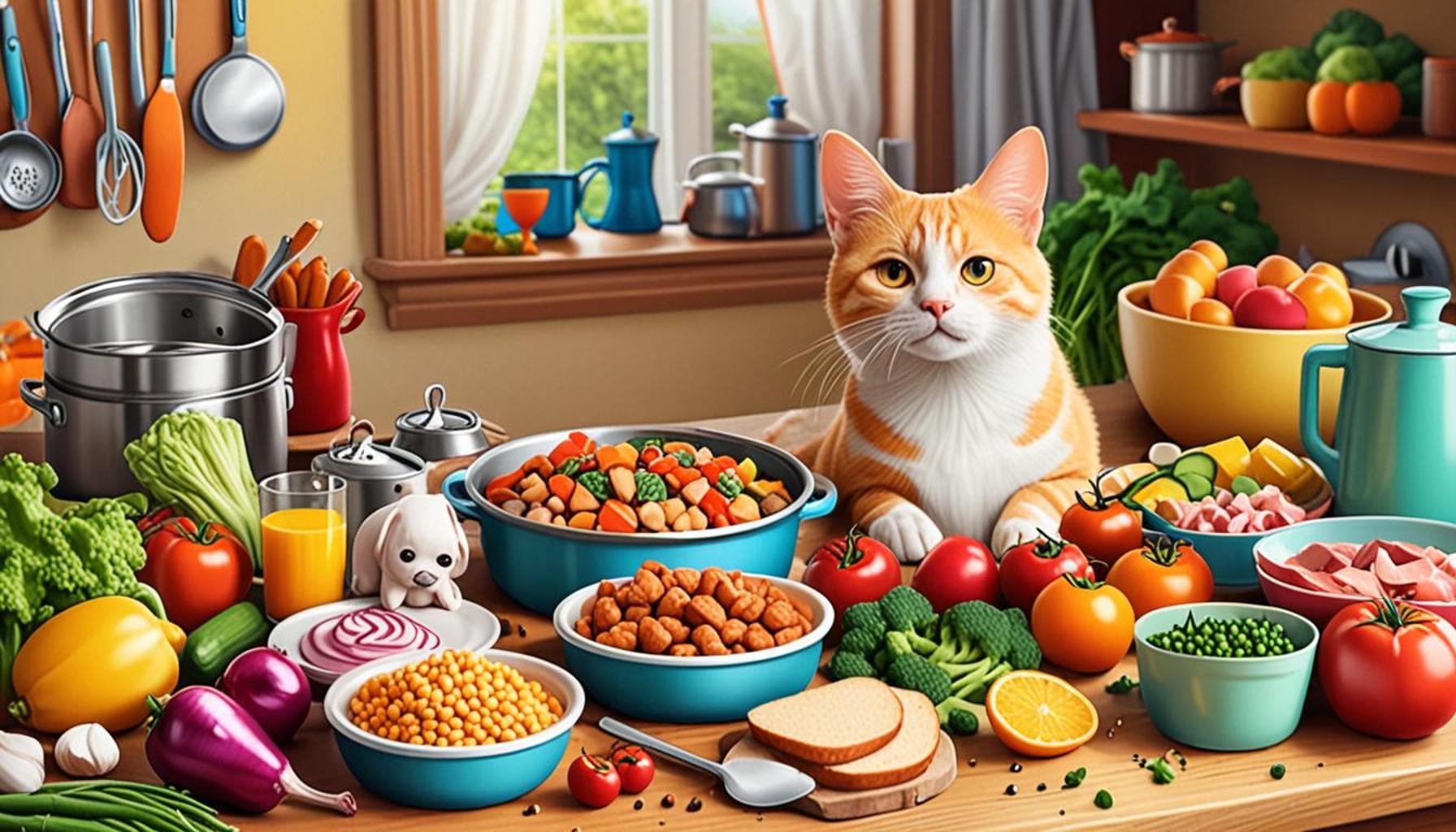
The recent surge in awareness of pet health among Nigerian pet owners has sparked a movement toward embracing homemade pet food. This growing trend reflects not only a shift in dietary preferences but also a keen awareness of the potential downsides of commercial pet foods, which often contain questionable ingredients and preservatives. As more individuals take charge of what their pets consume, the case for homemade food becomes increasingly compelling.
One of the primary advantages of making pet food at home is the control over ingredients. Unlike commercial brands that may list vague terms like “meat by-products,” homeowners can choose fresh, high-quality components. This translates to peace of mind, knowing exactly what your furry friend is eating. In Nigeria, traditional ingredients like catfish or chicken provide excellent sources of protein, which can be paired with local grains like maize for a balanced meal.
Moreover, the customizability of homemade recipes allows pet owners to cater to specific dietary needs. For instance, if a dog is allergic to grains, one can create a complete meal using potatoes, vegetables, and lean meats without worrying about cross-contamination. This adaptability extends to accommodating various breeds, ages, and activity levels, ensuring that each pet gets the right nutrition. A puppy, for example, might thrive on a diet rich in calcium and DHA for optimal growth, whereas an older dog might benefit from joint-supporting ingredients like fish oil.
Another significant perk of cooking for your pets is its freshness. By incorporating fresh ingredients, pet owners can minimize the risk of harmful preservatives and fillers typically found in commercial options. Preparing meals using locally sourced vegetables such as spinach and carrots not only enhances taste but also maximizes nutrient intake. These fresh elements allow for a more colorful, appealing dish that reflects diverse Nigerian culinary traditions.
However, diving into homemade pet food isn’t without its challenges. It’s essential for pet owners to ensure that the meals they prepare are nutritionally balanced. Dogs and cats have specific dietary requirements that must be met to avoid health issues. A lack of vital nutrients such as calcium, proteins, or essential fatty acids can lead to serious complications. Investing time in research or even consulting a veterinarian can help in creating well-rounded meals that fulfill all your pet’s dietary needs.
Utilizing accessible local ingredients like beans for protein, yams for carbohydrates, and leafy greens ensures that homemade meals remain both affordable and beneficial. As Nigerian pet owners embark on this culinary adventure, the primary focus should be on preparing meals that are both appealing and nourishing.
With the right balance of knowledge, creativity, and resources, homemade pet food can transform mealtime into a healthier and more delightful experience for your furry companions, while also strengthening the bond between pet and owner.
LEARN MORE: This related article may interest you
Determining Nutritional Needs for Your Pet
Before embarking on the journey of crafting homemade pet food, it is crucial to understand the unique nutritional requirements of your furry companions. Both dogs and cats have specific dietary needs that vary with age, size, breed, and health status. For instance, puppies require more protein and calories to support their rapid growth, while senior dogs might need a diet lower in calories yet enriched with supplements to maintain joint health.
To ensure any homemade recipe is nutritionally sound, consider the following essential components:
- Proteins: Vital for muscle development and repair, proteins should be the foundation of any pet food. Sources such as chicken, fish, and beans offer excellent quality.
- Carbohydrates: These provide energy and support digestive health. Local staples like yams, maize, and rice can be great choices.
- Fats: Necessary for energy, skin health, and nutrient absorption, consider incorporating fish oil or chicken fat into meals.
- Vitamins and Minerals: Keep your pet’s immune system functioning optimally by adding vegetables such as spinach, carrots, and pumpkin for essential vitamins.
While the enjoyment of homemade preparation can be a delightful process, focusing primarily on these specific components will ensure that meals are not just tasty but balanced and beneficial for your pet’s health. For example, preparing a chicken and vegetable stew with the right mix of proteins, carbohydrates, and fats can create a dish that is both nutritious and appealing.
Many pet owners may wonder about the risks associated with homemade pet diets. It’s important to remember that while home-cooked meals can be healthy, they can also lead to nutritional deficits if not approached carefully. One common pitfall is the exclusion of certain nutrients that are often taken for granted in commercial pet foods. Therefore, consulting with a veterinarian or a pet nutritionist is advisable, especially when initially transitioning to homemade diets.
In addition, utilizing seasonal and locally available ingredients helps to mitigate costs while providing freshness and nutritional value to your pet’s diet. Ingredients like fresh vegetables from local markets or the abundance of catfish caught from Nigerian rivers can enhance the quality of your pet’s meals without breaking the bank. Not only does this approach contribute to the overall health of your pets, but it also supports local farmers and economies.
By understanding what your pet needs and how to provide it through safe and nutritious homemade practices, you set the stage for a rewarding experience that strengthens the bond between you and your furry companions. The endeavor to prepare homemade meals can transform feeding time into an enriching ritual, benefitting both health and happiness.
| Advantages | Details |
|---|---|
| Enhanced Nutrition | Homemade food allows you to choose the freshest ingredients, catering to specific dietary needs. |
| Control Over Ingredients | You can avoid harmful additives and preservatives often found in commercial pet foods, leading to healthier meals. |
| Cost-Effectiveness | Preparing your pet’s meals can be more affordable compared to purchasing high-quality commercial options. |
| Customized Diets | Design meals tailored to your pet’s specific health conditions and preferences, ensuring they enjoy their food. |
Homemade food for pets is an enchanting practice that opens the door to a wealth of nutritional benefits. Just imagine being able to create meals that incorporate wholesome ingredients, suited perfectly for your beloved animal companions. It not only nourishes them with essential vitamins and minerals but also promotes overall vitality while enhancing their immune system and reducing allergies. Moreover, the power to choose every ingredient transforms meal time into a safe and nutritious occasion. By making meals yourself, you can confidently navigate, especially concerning food sensitivities. Customizing diets is vital, as some pets have unique health requirements that may be overlooked in mass-produced foods. Additionally, making homemade meals can often be more budget-friendly, which is a significant counterbalance to the costs of premium commercial pet foods. With each homemade creation, you provide your pets with not just love but a significantly healthier lifestyle.
LEARN MORE: This related article may interest you
Safe Methods for Preparing Homemade Pet Meals
Once you have a clear understanding of your pet’s nutritional needs, it’s time to focus on safe food preparation techniques to ensure that each meal is both healthy and free from harmful contaminants. Just like humans, pets can also fall sick from foodborne illnesses, so adopting safe cooking methods is paramount for keeping your furry friends happy and well.
Here are some essential practices to follow when preparing homemade food for pets:
- Sanitation: Always wash your hands thoroughly before and after handling raw ingredients. Ensure that all cooking utensils, cutting boards, and surfaces are clean and sanitized to prevent cross-contamination. This is significantly important if you’re using meat, which can harbor bacteria such as Salmonella.
- Cooking Thoroughly: Always cook meat and fish thoroughly to kill any harmful pathogens. For example, poultry should reach an internal temperature of 165°F (75°C) before being served. Utilizing a food thermometer can help ensure accuracy and safety.
- Storing Properly: Store any leftovers in airtight containers and refrigerate them promptly. Homemade meals typically do not include preservatives, making it crucial to consume or freeze them within a few days to avoid spoilage.
- Using Fresh Ingredients: Whenever possible, opt for fresh, high-quality ingredients. Ingredients like locally sourced vegetables and meats not only provide better nutrition but also minimize the risk of using expired or spoiled products.
Besides these basic practices, understanding the importance of proportions is fundamental in creating a balanced diet for your pets. Many pet owners might not realize that the ratio of proteins, carbohydrates, and fats can vary depending on their pet’s specific needs. For example, a general guideline for dogs is approximately 40% protein, 50% carbohydrates, and 10% fats. However, this ratio may differ if your pet has special health requirements.
Additionally, be aware of common food toxins that should be avoided entirely; certain human foods can be toxic to pets. Ingredients such as onions, garlic, grapes, and chocolate can lead to serious health issues and should never be included in any homemade pet meal. A good practice is to maintain a list of safe and unsafe ingredients easily accessible while cooking.
Involving Pets in Meal Prep
Another fascinating aspect of homemade food for pets lies in allowing them to be part of the experience. While dogs and cats can’t help in the kitchen, they can certainly express their preferences for textures and flavors. This can turn into a rewarding process by allowing you to observe what ingredients excite your pet the most. For instance, if your dog appears to relish carrots more than peas, you can emphasize carrots in their meals. Not only does this create enthusiasm around mealtime, but it also ensures your pet is consuming food that they enjoy.
Furthermore, sharing the cooking experience with your pets can strengthen your bond, making meal times an event to anticipate. Regularly introducing new ingredients within the realm of safe choices will also stimulate your pet’s palate, preserving their interest in homemade meals.
Investing in knowledge about effective preparation methods, attention to portioning, and food safety can transform meal time into an enriching routine that enhances the wellbeing of your beloved pets. By adhering to these practices, you can foster a sense of community and trust in your kitchen while creating delicious and nutritious meals for your furry companions.
YOU MAY ALSO LIKE: Read read another article
Conclusion: Nurturing Your Pets with Homemade Nutrition
As pet owners, the decision to prepare homemade food for our beloved companions presents an incredibly rewarding opportunity to enhance their health and happiness. By adhering to safe food preparation practices and ensuring a balanced diet, we can confidently provide nutritious meals tailored to their individual needs. Understanding the importance of sanitation, proper cooking, and ingredient selection assures that our furry friends are not only satisfied but also protected from potential foodborne illnesses.
Moreover, involving your pets in the meal preparation process fosters a deeper bond and makes them active participants in their nutrition journey. Remember, the preferences of your pet are crucial in shaping their meals, contributing to both their enthusiasm and wellbeing at mealtime. Continually learning about what ingredients to embrace and which to avoid, such as common toxins, is vital to maintaining a safe culinary environment for your pets.
In a vibrant country like Nigeria, sourcing fresh, locally available ingredients can both enhance the meals you prepare and support local farmers and markets. If you have questions or uncertainties, consider consulting with a veterinarian or a pet nutrition expert to fine-tune your pet’s meal plan. Ultimately, the effort you put into preparing homemade meals will reflect in your pet’s health, longevity, and overall joy. Embrace this fulfilling practice and transform mealtime into an enriching experience for both you and your furry family members.
Related posts:
Natural Foods vs Commercial Pet Food Whats Best for Your Pet
The Importance of Hydration in Pet Nutrition
The Influence of Nutrition on the Dental Health of Pets
The Importance of a Balanced Diet for Dogs and Cats: Essential Nutrients and Supplementation
The Influence of Diet on the Physical Activity and Energy of Pets
Nutritional Supplements: When and How to Use Them to Improve Your Pet's Health

Linda Carter is a writer and pet care expert specializing in pet health, grooming, and wellness. With extensive experience helping pet owners create safe, loving, and enriching environments for their animals, Linda shares her knowledge on our platform. Her goal is to empower readers with practical advice and strategies to ensure their pets thrive and lead joyful, healthy lives.