Functional Nutrition: How Natural Foods Can Improve Pet Health
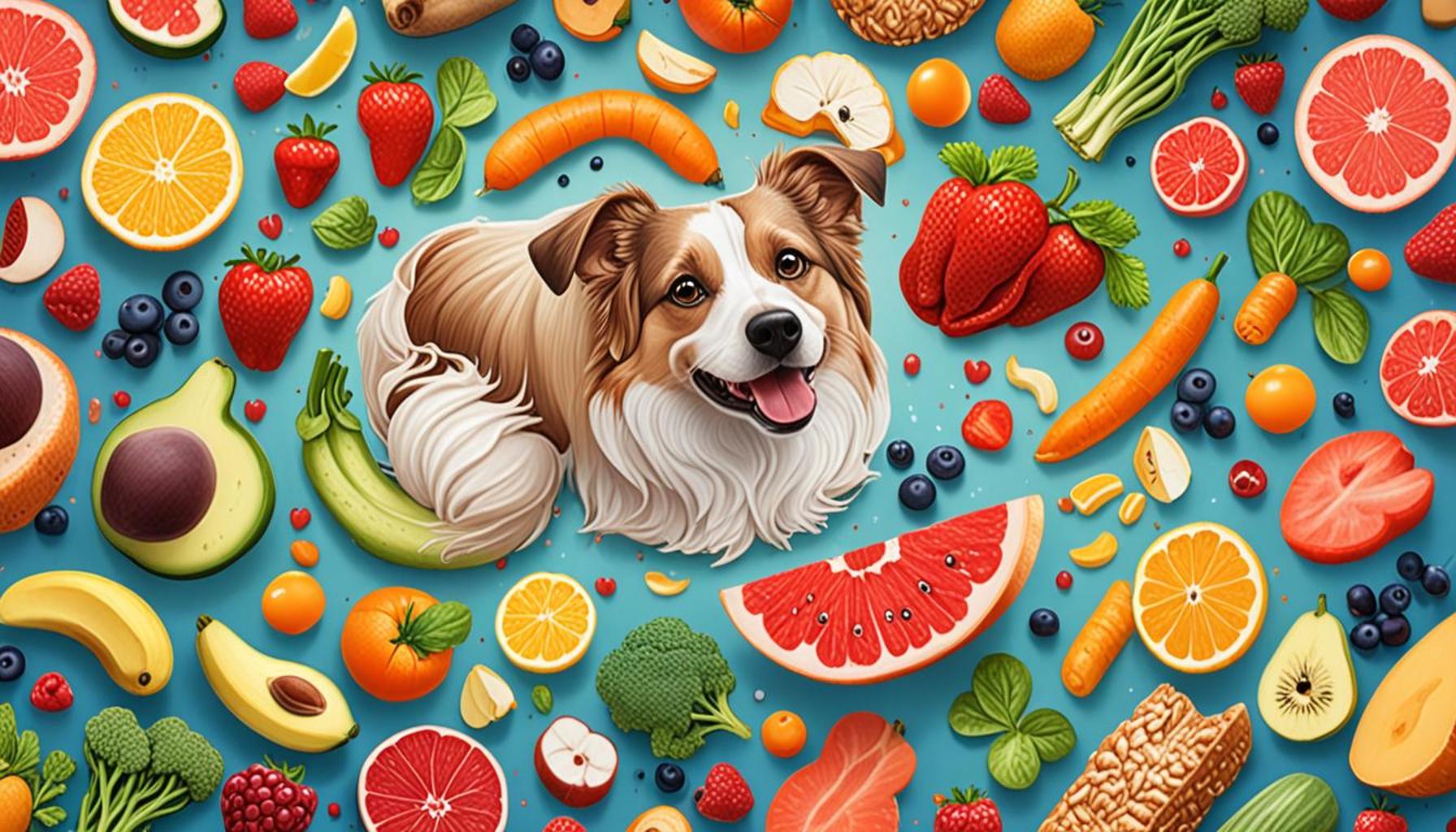
Understanding the Vital Role of Nutrition in Pet Care
As the conversation around health and wellness steadily evolves, the focus on nutrition plays a pivotal role—not just in human diets but in those of our pets, too. Pet owners today are increasingly aware that what they feed their furry companions can significantly influence their health, longevity, and quality of life. Enter the realm of functional nutrition, an innovative approach that emphasizes how natural foods can be employed to enhance health, stave off diseases, and elevate overall well-being.
So, what exactly does functional nutrition mean for our pets? This concept is multifaceted, revolving around critical pillars such as:
- Whole foods: Prioritizing unprocessed, organic ingredients that offer nutrients in their most natural form. Think of meals rich in vegetables and grains that are free from additives or fillers.
- Beneficial ingredients: Selecting foods that are dense in vitamins, minerals, and antioxidants. For example, carrots and sweet potatoes are not only tasty but packed with beta-carotene, which supports eye health.
- Customized diets: Understanding that no two pets are alike. Tailoring nutrition to meet specific breed, age, and health requirements can vastly improve a pet’s quality of life.
In Nigeria, pet ownership is experiencing a burgeoning trend, especially in urban areas where pets are viewed as family members. This rise in popularity highlights the critical need for awareness surrounding natural foods as an integral part of pet health. Many pets can struggle with common ailments that are often exacerbated or alleviated through diet. For instance:
- Fresh produce: Incorporating locally available fruits and vegetables, such as pawpaw and spinach, can provide essential vitamins and antioxidants that bolster immunity.
- Quality proteins: Sourcing meats from trusted local suppliers, whether chicken, fish, or even goat, can ensure that pets receive the protein necessary for muscle development and energy levels.
- Healthy fats: Including sources of omega-3 fatty acids, like those found in fish oil, not only promotes a shiny coat but supports cognitive function, especially important for older pets.
Equipping oneself with knowledge about functional nutrition can transform your pet’s life dramatically. This newfound understanding allows pet owners to recognize which foods can bolster their furry companions’ health, leading to happier and healthier lives. With a little effort, one can create a vibrant diet filled with natural foods that resonate well with pets’ innate dietary needs.
As we continue to explore the world of pet nutrition, the journey toward understanding how natural food can be a game-changer in your pet’s health journey beckons. By diving deeper into the benefits of a well-rounded, natural diet, you can be the catalyst that fosters a thriving environment for your beloved pets, ensuring they receive the care they truly deserve.
LEARN MORE: This related article may interest you
The Power of Whole Foods in Pet Diets
When it comes to promoting the health of our beloved pets, the emphasis on whole foods in functional nutrition cannot be overstated. Whole foods are ingredients that remain as close to their natural state as possible, devoid of excessive processing and artificial additives. These foods are bursting with essential nutrients and enzymes that not only nourish our pets but also help prevent various health issues.
In Nigeria, incorporating locally sourced, whole foods into your pet’s diet is not only beneficial but also practical. A variety of fresh options are readily available, enabling pet owners to adopt healthier eating habits for their furry companions. Consider the following:
- Local Fruits and Vegetables: Items like pawpaw and spinach are rich in vitamins A and C, which support immunological function and can assist with skin conditions. Regular inclusion of such fruits and vegetables in your pet’s meals can enhance their overall health.
- Whole Grains: Ingredients such as brown rice and millet provide fiber and energy, crucial for your pet’s digestion and vitality. Choosing unrefined grains can help manage weight and contribute to stable energy levels.
- Fresh Meat Sources: Sourcing poultry, fish, or goat from trustworthy suppliers ensures that pets receive the high-quality proteins necessary for muscle growth and repair, particularly important for active or older pets.
Moreover, the impact of functional nutrition extends into the realm of chronic conditions. Many pets, especially those suffering from allergies or inflammatory diseases, can benefit significantly from a diet rich in whole foods. A feeding regimen tailored around whole foods can not only alleviate symptoms but may also prevent the onset of more severe health issues down the line.
Understanding the specific nutritional needs of your pet is key in the world of functional nutrition. Factors such as age, breed, and health status play a significant role in determining the best food options for your furry friend. For example, puppies have different nutrient requirements compared to senior dogs. A customized diet that considers these factors can lead to better health outcomes.
Furthermore, pet owners are encouraged to be mindful of the ingredients in commercial pet foods, which often contain fillers and artificial substances that provide little to no nutritional value. By striving for homemade diet plans or selecting premium brands that heavily emphasize natural ingredients, pet owners can provide their companions with a wholesome diet that fosters well-being.
The shift toward incorporating whole, natural foods into your pet’s diet is not merely a trend; it’s a conscious approach to enhancing their health. This proactive dietary strategy empowers pet owners to take charge of their pets’ nutrition—from selecting beneficial ingredients to understanding how specific foods impact their overall health.
Functional Nutrition: How Natural Foods Can Improve Pet Health
In the realm of pet health, functional nutrition emerges as a transformative approach, emphasizing not just basic nourishment but the incorporation of natural foods that can foster better vitality in our pets. Understanding what constitutes a functional diet requires delving into the benefits of specific foods and their impacts on overall health.
When considering natural foods, it’s essential to recognize their rich nutrient profiles. Ingredients such as fish, sweet potatoes, and leafy greens serve dual purposes: providing essential nutrition while also supporting the immune system and enhancing longevity. For example, Omega-3 fatty acids found in fish promote a healthy coat and skin, while the fiber in sweet potatoes aids digestive health.
Moreover, the idea of using food as medicine is a focal point of functional nutrition. Ingredients like blueberries and pumpkin not only offer anti-inflammatory properties but also contribute to optimal brain function. These findings have inspired pet owners to seek out high-quality products or create homemade meals that align with the principles of functional nutrition.
The interest in holistic health solutions continues to grow, with studies supporting the correlation between diet and disease prevention. Far from being a fad, functional nutrition positions itself at the intersection of science and practical living, urging pet owners to rethink traditional feeding methods. By investing in a functional diet for their pets, owners can help mitigate common health issues and promote a longer, happier life for their furry companions.
| Category | Details |
|---|---|
| Nutrient-Rich Ingredients | Foods like fish and sweet potatoes enhance health and vitality. |
| Health Benefits | Promotes healthy skin, digestion, and immunity. |
These insights into functional nutrition highlight the importance of making informed food choices for our pets. With a growing body of research underpinning the significance of whole foods, pet owners are encouraged to explore new options for enhancing their animals’ diets. As you dive deeper into the world of functional nutrition, the possibilities for improving your pet’s health become clearer and more exciting.
LEARN MORE: This related article may interest you
Supporting Digestive Health Through Functional Foods
One of the most significant ways functional nutrition influences pet health is through the improvement of digestive function. A healthy gut is foundational for overall wellness, and what we feed our pets plays a pivotal role in maintaining intestinal health. The right combination of natural foods can help foster a thriving microbiome, the community of microbes that reside in the digestive tract and contribute to nutrient absorption, immune function, and disease prevention.
Fermented foods represent a fascinating avenue through which pet owners can enhance their pets’ digestive health. Options like yogurt or homemade fermented vegetables can introduce beneficial probiotics to your pet’s system, promoting a balanced gut flora. Additionally, it is important to incorporate prebiotic sources such as banana peels or inulin-rich vegetables like garlic (in moderation), which serve as food for probiotics, helping them flourish in your pet’s gut.
An example of a local delicacy that can support digestive health is ogbono seeds, commonly known as wild mango seeds. High in fiber, these seeds can assist in promoting regular bowel movements and preventing constipation in pets. Adding finely ground ogbono powder to your pet’s meals can offer a beneficial boost while tapping into native Nigerian ingredients.
Moreover, essential fatty acids, particularly Omega-3s found in fish like mackerel or sardines, are critical in addressing inflammatory conditions within the digestive system. Regular inclusion of high-quality fish not only enhances appetite but also contributes to better gut health and aids in managing conditions such as inflammatory bowel disease that can affect many dogs and cats.
In addition, the role of fiber cannot be dismissed. A diet high in fiber can help control weight and provide satiety, crucial for pets that tend to overeat. Throughout Nigeria, incorporating local food sources such as plantain and pumpkin can deliver necessary dietary fiber to support a healthy gut while also appealing to your pet’s palate.
Addressing Allergies and Sensitivities with Functional Nutrition
Particularly for pets suffering from food allergies or sensitivities, functional nutrition provides a pathway to relief. Allergies can stem from common ingredients found in many commercial pet foods, such as beef, dairy, and wheat. By carefully selecting alternative protein sources like rabbit, venison, or even insect-based proteins that are becoming more available, pet owners can reduce allergic reactions and support their pets’ overall health.
Furthermore, integrating hypoallergenic ingredients such as sweet potato and quinoa into your pet’s diet can offer additional sources of vitamins while being gentle on the digestive system. These foods aid in avoiding inflammation, which is often at the core of many dietary sensitivities.
Consulting with a veterinarian to determine specific allergens and monitoring their pets’ reactions to different foods can lead to a more tailored approach to functional nutrition. Keeping a detailed food diary noting every meal and any signs of an adverse reaction can provide critical insight into what to eliminate from their diet.
Functional nutrition is not only about enhancing physical health but also about creating sustainable feeding habits. It encourages pet owners to think critically about the origin and quality of their pets’ food—ultimately empowering them to take charge of their companions’ health in a proactive and informed manner.
LEARN MORE: This related article may interest you
In Conclusion: Embracing Functional Nutrition for Optimal Pet Health
Functional nutrition represents a transformative approach to pet wellness that prioritizes natural foods and their ability to enhance health at every level. By understanding the profound impact of a balanced diet—rich in fermented foods, essential fatty acids, and fiber—pet owners can take actionable steps to support their furry companions’ digestive health, combat food allergies, and promote longevity.
As we delve deeper into the nutritional needs of our pets, it becomes clear that many ingredients available locally, such as ogbono seeds, plantains, and quinoa, are not only beneficial but can also elevate their meals to something extraordinary. Cultivating a keen awareness of what defines functional nutrition allows pet lovers to innovate and personalize their pets’ diets, tailoring them around individual health requirements and potential sensitivities.
Moreover, the journey towards improved pet health doesn’t stop at just sourcing natural foods; it also encompasses consulting with veterinarians and continuously observing how our pets respond to dietary changes. Keeping a food diary and engaging with expert advice can guide you through the complexities of pet nutrition, ensuring that you establish a diet that enhances their overall well-being.
In essence, adopting a functional nutrition mindset invites both a sense of responsibility and creativity into pet care, ultimately leading to happier, healthier furry friends. By exploring and implementing natural food sources that resonate with our pets’ unique needs, we not only invest in their health but also reinforce the bond we share with them, making every meal a nurturing experience.
Related posts:
Superfoods for Pets: What to Include in Your Pet's Diet
Nutritional Supplements: What Your Cat Really Needs for a Healthy Life
Balanced Nutrition Vital for Your Pets Optimal Health
Specific Diets for Pets with Food Allergies
How Nutrition Affects Ideal Weight and Obesity in Dogs and Cats
Natural Food vs. Commercial Feed: What is Better for Your Pet?

Linda Carter is a writer and pet care expert specializing in pet health, grooming, and wellness. With extensive experience helping pet owners create safe, loving, and enriching environments for their animals, Linda shares her knowledge on our platform. Her goal is to empower readers with practical advice and strategies to ensure their pets thrive and lead joyful, healthy lives.