Characteristics of Guard Dog Breeds and Their Suitability for Residential Security in Nigeria
Understanding the Importance of Guard Dogs
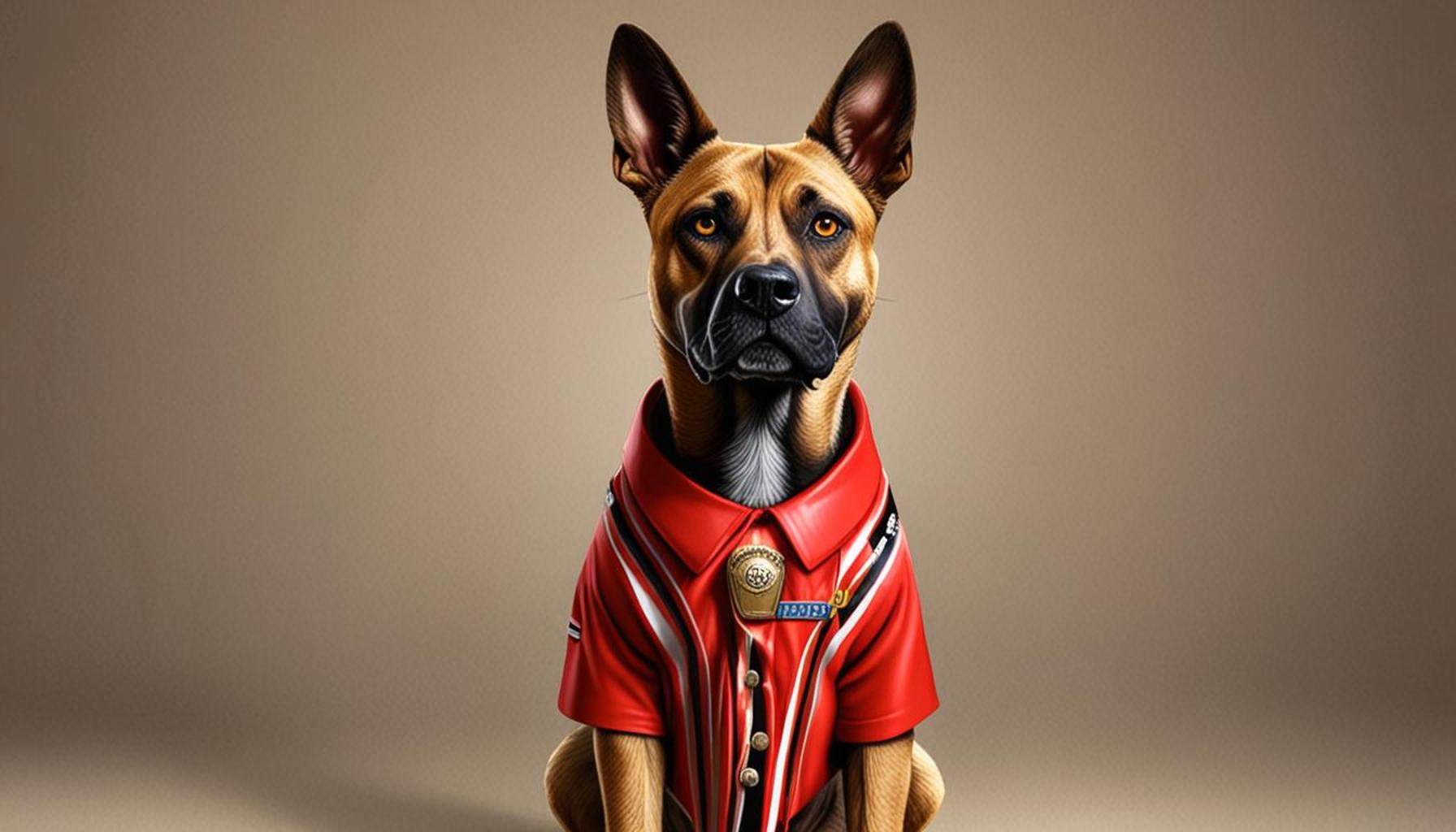
In the bustling context of residential life in Nigeria, ensuring safety poses a significant challenge. The relevance of choosing the right guard dog is paramount, as their capabilities can play a vital role in enhancing the security of homes. Guard dogs are not solely defined by their physical presence; they embody a blend of temperament, instinct, and intelligence that contribute to their effectiveness as protectors.
Key Characteristics of Effective Guard Dogs
When evaluating potential guard dogs, several essential characteristics should be prioritized:
- Temperament: An ideal guard dog showcases a balanced temperament, combining confidence, alertness, and loyalty. For instance, a dog that is overly aggressive without cause can create problems, whereas one that is too docile may fail to respond appropriately to intrusions.
- Trainability: A dog’s ability to learn and respond to commands is critical. The more agile a breed is in grasping commands, the more effective it will be in emergency situations. Breeds that easily adapt to obedience training can become invaluable assets to homeowners.
- Physical Attributes: Strength, stature, and agility are vital deterrent factors. A large, well-muscled dog can intimidate potential intruders merely by its presence. Additionally, dogs that possess agility can react swiftly to unfolding events, providing a sense of immediacy in defense.
Breeds Well-Suited for the Nigerian Environment
In Nigeria, certain dog breeds have emerged as the heroes of home security. Some commendable choices include:
- German Shepherd: Renowned for their intelligence and versatility, German Shepherds are ideal as both companions and guards. Their protective instincts make them natural defenders of family and property.
- Rottweiler: With their muscular build and courageous nature, Rottweilers are known for their unwavering loyalty and can serve as effective sentinels. Their commanding presence can deter threats just by being on guard.
- Doberman Pinscher: Known for their agility and loyalty, Dobermans are quick to respond to any disturbance, making them excellent protectors in various environments.
Choosing the Right Guard Dog for Your Home
When selecting the best breed, homeowners should factor in more than just the dog’s innate physical traits. It is crucial to reflect on the specific home environment, family dynamics, and the training regimens required to cultivate a dog’s protective instincts. For example, families with young children might prefer breeds known for their gentle temperament yet strong guarding instincts, such as a Labrador Retriever combined with a guarding breed.
Ultimately, the journey to finding the perfect guard dog involves careful consideration of individual characteristics, which ensures that both the dog and the household complement each other effectively. By delving into these attributes and understanding their significance, residents can foster a safer living environment for themselves and their families.
LEARN MORE: This related article may interest you
Identifying the Ideal Guard Dog Attributes
When it comes to securing residential spaces in Nigeria, understanding the core characteristics of guard dog breeds is crucial. The effectiveness of a guard dog can profoundly influence the safety of homes, providing a robust line of defense against potential intruders. Various breeds exhibit qualities that make them exceptional guardians, but not all dog breeds are created equal in this regard. Below are some of the pivotal attributes to consider when assessing suitable guard dog breeds for residential security in Nigeria:
Temperament and Behavior
The temperament of a guard dog is arguably the most important characteristic. An effective guard dog must possess a confident demeanor, exhibit a keen sense of alertness, and demonstrate unwavering loyalty to its family. For instance, breeds like the Belgian Malinois are known for their strong protective instincts while maintaining a calm disposition, making them both reliable and approachable. Conversely, a dog that displays uncontrolled aggression can pose risks not only to intruders but also to family members and guests.
Trainability and Intelligence
Trainability is another essential characteristic that determines how effective a guard dog will be. An intelligent breed that can quickly learn commands and tasks will be more suitable for adapting to security routines. Dog breeds such as the German Shepherd and Rottweiler rank high on the intelligence scale, making them quick learners. Their capability to engage in training exercises tailored specifically for guarding can significantly enhance their performance in real-world situations.
Physical Strength and Presence
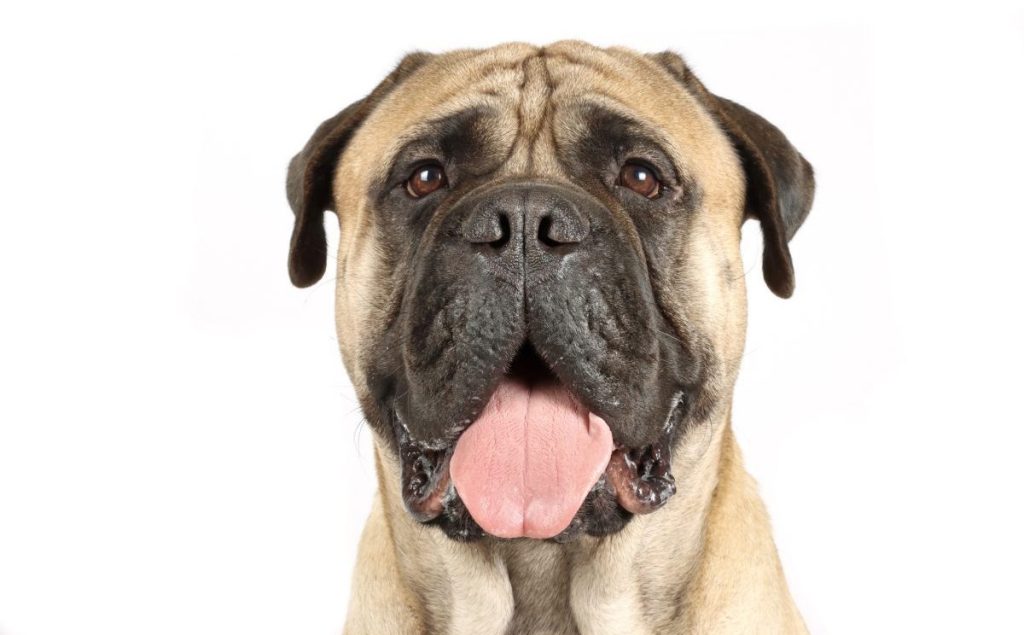
The physical attributes of guard dogs are equally vital. A strong and imposing stature can deter potential threats. Breeds like the Bullmastiff and Cane Corso not only possess notable strength but also showcase a muscular build that projects authority. Such physical prowess combined with agility ensures they can react promptly to any threats, ultimately providing a more secure environment for residents.
Vigilance and Alertness
Vigilance is a character trait that sets true guard dogs apart. As protectors, these dogs should have an innate capability to sense potential dangers and react promptly. Breeds like the Doberman Pinscher are known for their sharp instincts and ability to quickly assess situations, often alerting their owners to any unusual activities, even before they escalate into a real threat.
Adaptation to Environmental Factors
In Nigeria, various climatic and environmental factors can influence the choice of a guard dog. Ideally, a guard dog should adapt well to both hot and humid climates, common in many regions. Breeds that are resilient to local conditions and capable of withstanding the weather can contribute significantly to maintaining an effective security presence.
In summary, selecting the right guard dog extends beyond mere aesthetics. It involves a thorough understanding of the breed’s characteristics and how they align with the unique challenges of residential security in Nigeria. By considering temperament, trainability, strength, vigilance, and adaptability, homeowners can ensure they choose a breed that not only guards their property but becomes a trusted family member as well.
As interest in enhancing home security grows in Nigeria, understanding the unique characteristics of guard dog breeds suitable for this purpose is crucial. Different breeds excel in various aspects of guarding, providing homeowners with varied options depending on their specific needs.One of the primary traits to consider when selecting a guard dog is its protective instinct. Breeds such as the German Shepherd and Rottweiler are renowned for their natural guard qualities, stemming from their history of working alongside humans. Their fierce loyalty and confidence make them exceptional protectors of residential properties. Additionally, they possess a strong territorial nature, which can act as a deterrent to intruders, making them ideal choices for Nigerian homes.Another vital characteristic is trainability. Breeds like the Doberman Pinscher and Belgian Malinois are known for their quick learning abilities and responsiveness to commands. This trainability not only enhances their guarding capabilities but also allows them to integrate smoothly into family environments. A well-trained guard dog can differentiate between a threatening situation and routine occurrences, providing a reliable security presence without undue alarm.Physical attributes also play a significant role. Breeds with a strong build, such as the Bullmastiff, offer not only size but also the strength needed to confront potential threats effectively. Moreover, their intimidating stature can act as a psychological deterrent to would-be intruders, making them a formidable presence.Beyond physical qualities, the temperament of these dogs is essential. An ideal guard dog should possess a balanced temperament, being both alert and approachable. The Anatolian Shepherd Dog, for example, is known for its gentle disposition with family members while being warily protective of its territory. This balance is particularly crucial in homes with children or other pets, ensuring security without compromising the family environment.Finally, consider the local environment and climate, as it significantly impacts a dog’s performance and health. Breeds that are adaptable to hot conditions, like the African Boerboel, thrive in Nigeria’s climate, offering durability alongside their guarding instincts. In summary, when choosing a guard dog breed for residential security in Nigeria, focus on attributes such as protective instincts, trainability, physical strength, temperament, and adaptability to the environment. These characteristics will not only enhance home security but also create a lasting bond with your canine companion.
CHECK OUT: Click here to explore more
Essential Considerations for Choosing Guard Dog Breeds
Choosing the right guard dog for residential security in Nigeria involves a comprehensive understanding of various factors beyond just the breeds’ intrinsic characteristics. Homeowners must consider their specific needs, lifestyle, and the socio-economic environment when selecting a dog that will serve as both a protector and companion. Below are some vital elements that should underpin the decision-making process:
Size and Space Requirements
The size of the dog and the space available in the home play critical roles in determining the suitability of a guard dog. Larger breeds, such as the Akita or the Naja Nani, thrive in spacious homes with room for movement and play. On the other hand, smaller homes or apartments may benefit from medium-sized breeds like the Boxer or the Staffordshire Bull Terrier, which are still capable protectors but require less room to roam. Understanding the dynamics of space can enhance both the dog’s quality of life and its effectiveness as a guard dog.
Family Dynamics and Lifestyle
Family dynamics are an essential consideration when selecting a guard dog. Families with young children or elderly members will benefit from breeds that exhibit gentleness and a high tolerance for various family interactions. Dogs such as the Labrador Retriever, while not traditional guard dogs, can be trained well to provide a sense of security with their loyal and friendly temperament. Additionally, assessing how often the family is at home can dictate the level of training and attention the dog will require. For instance, breeds that are more sociable and thrive on human interaction, like the Golden Retriever, may be more suitable for families who spend considerable time at home.
Training and Socialization Needs
The training and socialization requirements of different breeds can vary significantly. Guard dogs, regardless of their breed, require consistent training to ensure they embody the desirable qualities of obedience and protection. It’s important to begin training at a young age, employing positive reinforcement techniques to develop trust and a bond. Many households in Nigeria can benefit from searching for local trainers or attending obedience classes that cater to specific breeds. For instance, training programs for breeds like the Giant Schnauzer or the Doberman may emphasize not only protection techniques but socialization skills that enable them to distinguish between friend and foe.
Cultural Considerations and Acceptance
Cultural acceptance can significantly influence the choice of guard dog in Nigeria. Certain breeds may be favored for their symbolism or historical significance within specific communities. For instance, the Whippet, often regarded as a symbol of loyalty, may be preferred in some regions. Understanding the cultural context can not only affect the decision to choose a particular breed but also the degree to which they are accepted by neighbors and visitors, contributing to a harmonious living environment.
Health and Lifespan of Guard Dog Breeds
Lastly, assessing the health and lifespan of various guard dog breeds is critical to ensure that prospective homeowners are equipped to handle the long-term commitment of dog ownership. Certain breeds, like the German Shepherd, may be prone to specific health issues such as hip dysplasia, which could impact their performance as guard dogs. By researching the common health concerns associated with potential breeds, homeowners in Nigeria can plan for proper veterinary care, nutrition, and overall well-being, ensuring a long and healthy life for their chosen protector.
Ultimately, selecting the right guard dog for residential security in Nigeria involves a well-rounded examination of factors that suit individual living situations, family structures, and cultural norms. By delving into the specifics of space requirements, family dynamics, training needs, cultural acceptance, and health concerns, homeowners can confidently make choices that align with their security needs and lifestyle.
SEE ALSO: Click here to read another article
Conclusion
In the quest for establishing a safe home environment, understanding the characteristics of guard dog breeds is fundamental in Nigeria. A well-chosen guard dog not only serves as a protector but also becomes a beloved part of the family. Selecting the right breed hinges on a mix of factors including size, space requirements, and the dynamics of family life, making it crucial for homeowners to assess their unique situations. Whether opting for a robust breed like the Rottweiler or a loyal companion like the Labrador, the choice must resonate with the family’s lifestyle and cultural context.
Training and socialization cannot be overstated; they are paramount for ensuring that the dog can effectively discern between threats and benign visitors. The emphasis on positive reinforcement throughout the dog’s development fosters a robust bond of trust, making the animal not just a protector, but a reliable family member. Cultural acceptance of certain breeds, intertwined with local perceptions and historical significance, adds another layer to this decision-making process that is particularly relevant in Nigeria.
Lastly, considering the health and lifespan of various breeds will ensure longevity and sustained protection. By reflecting on these diverse elements, homeowners can make informed decisions that enhance security while embracing companionship, thus striking a balance that aligns with their residential needs. In the end, the right guard dog can significantly boost the sense of safety within Nigerian homes, leading to peace of mind and harmony.
Related posts:
Particularities of Indoor Cat Breeds and Their Impact on the Quality of Life of Nigerian Owners
Service Dog Breeds and Their Characteristics in Supporting People with Disabilities in Nigeria
Dog Breeds Best Suited for Nigerian Climate Key Characteristics
Characteristics of Pet Fish Breeds and Their Care in Nigerian Aquariums
Impact of Genetic Characteristics on Dog Breeds for Nigerian Families
Comparison of Exotic Pet Breeds and Their Specific Needs in the Nigerian Market

Linda Carter is a writer and pet care expert specializing in pet health, grooming, and wellness. With extensive experience helping pet owners create safe, loving, and enriching environments for their animals, Linda shares her knowledge on our platform. Her goal is to empower readers with practical advice and strategies to ensure their pets thrive and lead joyful, healthy lives.