Cat Breeds and Their Adaptations to the Nigerian Climate
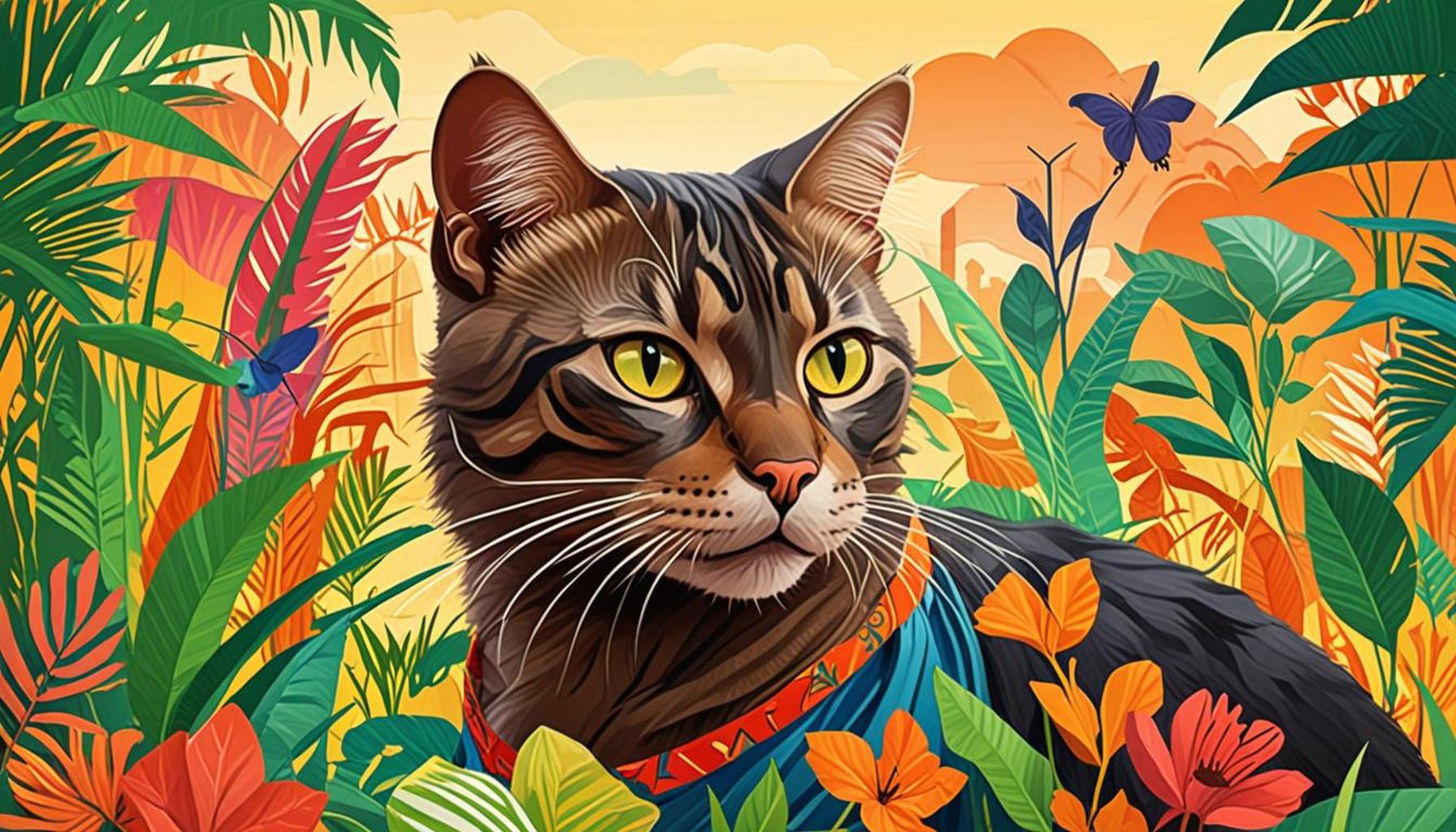
The Fascinating World of Feline Adaptations in Nigeria
Nigeria’s unique landscape, characterized by a mix of savannahs, forests, and urban environments, poses distinct challenges for its wildlife, including the domestic cat population. As temperatures often climb above 30°C (86°F) and humidity swings dramatically, certain cat breeds have developed exceptional adaptations that allow them to flourish in this diverse climate. Understanding these adaptations is vital for pet owners who wish to create a comfortable environment for their feline companions.
Notable Cat Breeds and Their Adaptations
Several cat breeds have become popular in Nigeria, each exhibiting traits that enhance their suitability for the local climate:
- Savannah Cats: This breed stands out for its striking appearance, resembling a small wild leopard. Savannah cats have developed a resilient constitution that allows them to withstand high heat. Their long legs and large ears enable better heat dissipation, while their energetic nature demands outdoor activity, which they adapt to well in spacious homes or backyards.
- Siamese Cats: Famous for their striking color points and social personalities, Siamese cats are inherently well-suited for warm environments. Their short, fine coats provide minimal insulation, allowing them to remain cool in Nigeria’s heated atmosphere. These cats thrive in homes where they can receive ample interaction and stimulation, reflecting their playful and affectionate nature.
- Abyssinians: Considered one of the oldest known cat breeds, Abyssinians are characterized by their short, ticked coat. This specific fur type not only looks stunning but is also practical, making it easy for them to remain cool in humid conditions. They are active and curious, often engaging in playful behavior that encourages both mental and physical exercise, accommodating the energetic lifestyle often found in Nigerian households.
Behavioral Adaptations and Lifestyle Needs
Understanding these breeds goes beyond just their physical traits. Their behavioral adaptations are equally important, ensuring they thrive in Nigeria’s climate:
- Dietary Requirements: The nutritional needs of these breeds can vary significantly depending on what’s available locally. For instance, cat owners in Nigeria often provide a mixture of commercial cat food and fresh, local proteins, such as fish or poultry, to maintain health.
- Shelter Preferences: Given the heat, providing shaded areas or cool indoor spaces is essential. Many Nigerian cat owners adapt their living spaces to include tiled floors or shaded verandas, which help keep cats comfortable during scorching afternoons.
- Exercise Preferences: Cats in Nigeria benefit from ample space to roam and explore. Many pet owners recognize this need and create safe outdoor environments for their cats to engage their natural hunting instincts while also combating obesity, which can be a concern in less active breeds.
By exploring these cat breeds and understanding how they adapt to survive and thrive in Nigeria, pet owners can offer better care tailored to their unique lifestyles. Insights into their dietary, shelter, and exercise needs can lead to improved well-being for these beloved companions. As we continue to delve into the fascinating world of feline adaptations, we uncover the resilient spirit of our cats, underscoring their ability to harmonize with the challenging environment they inhabit.
SEE ALSO: Click here to read another article
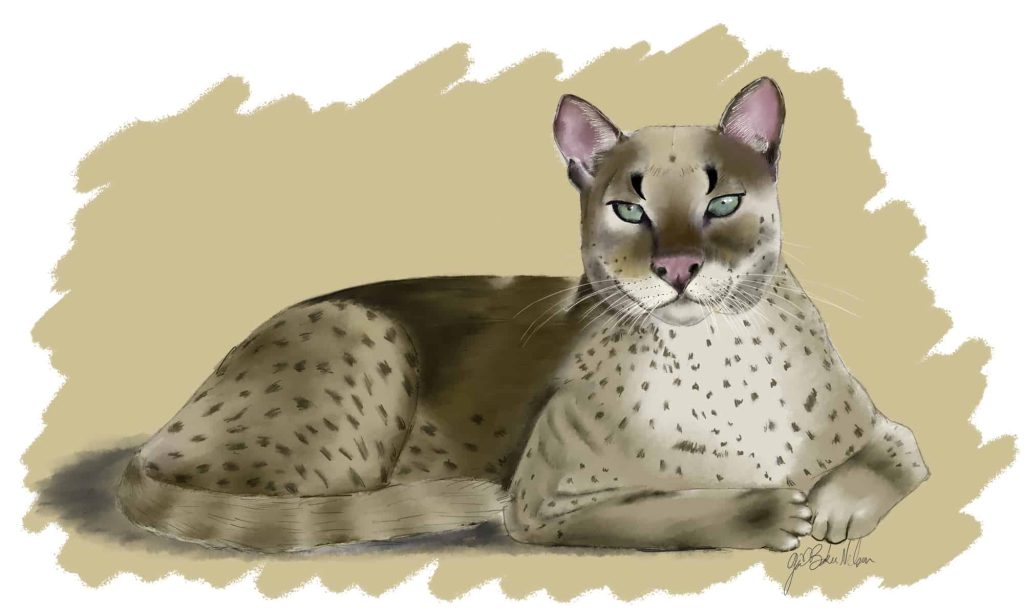
Diverse Cat Breeds and Their Climate-Conscious Traits
Nigeria is a land of contrasts, where the hot sun, varying humidity levels, and geographic diversity dictate the survival needs of its resident felines. Among the many cat breeds that flourish within this environment, each showcases unique adaptations, allowing them to navigate the challenges posed by the Nigerian climate. Recognizing these adaptations can play a crucial role in promoting the health and happiness of our feline friends.
Key Cat Breeds and Their Unique Traits
In Nigeria’s bustling urban areas and peaceful rural settings, several cat breeds have gained popularity, each showcasing traits that empower them to thrive:
- Bengal Cats: Revered for their striking coat patterns and playful demeanor, Bengal cats exhibit an inherent adaptability to warmer climates. Their semi-short, single-layered coat helps regulate body temperature, preventing overheating during Nigeria’s sweltering summers. Additionally, their high energy levels make them delightful companions, thriving on interactive play that showcases their dexterous nature.
- Oriental Shorthairs: With sleek bodies and a variety of colors, Oriental Shorthairs are well-suited for hot climates. Their short coats minimize insulation, while their agile physique enables them to navigate their surroundings with ease. These cats are also known for their vocal nature, demanding attention and social interaction, which are essential for their emotional well-being in bustling Nigerian households.
- Egyptian Mau: A breed with a rich history, the Egyptian Mau is characterized by its unique spotted coat and striking green eyes. This breed has adapted to hot, arid environments, and their medium-length coat requires minimal grooming, making them low-maintenance in terms of care. They are known for their loyalty and playful antics, thriving in homes that offer ample stimulation and interaction.
Essential Adaptations for Well-being
While the physical adaptations of these breeds are noteworthy, their lifestyle needs also significantly influence their ability to flourish in Nigeria:
- Hydration: In a hot climate, maintaining hydration is crucial for feline health. Cat owners should ensure that clean, fresh water is always available, particularly as cats in warmer regions may require increased hydration due to higher activity levels and heat exposure.
- Temperature Control: Providing shaded areas and well-ventilated indoor spaces is essential. Many pet owners install fans or air conditioning systems to create a comfortable environment for their cats, safeguarding them from heat exhaustion.
- Interactive Play: Cats need mental and physical exercise to stay happy and healthy. Outdoor activities, such as supervised play sessions and structured exercises, can help combat boredom and encourage natural instincts while adapting to a vibrant Nigerian environment.
Understanding the unique breeds and their adaptations allows cat owners in Nigeria to cater to their pets’ needs effectively. By fostering an environment that recognizes the physical and behavioral traits of these cats, we can significantly enhance their quality of life, ensuring they thrive in the diverse conditions of Nigeria.
| Cat Breed | Adaptation Features |
|---|---|
| Nigerian Cat (Nigerian Dwarf) | Strong resilience to heat due to short coat and increased thirst adaptability. |
| Oriental Shorthair | Lightweight frame and large ears facilitate cooling; thrives in warm climates. |
| Sokoke | Adapted to low humidity with unique fur texture; active and agile. |
| Egyptian Mau | Spots assist with insulation; possesses good hunting skills for survival. |
In Nigeria’s diverse climate, understanding the various cat breeds and their specific adaptations is crucial for ensuring their well-being. The Nigerian Cat, known for its adaptability, exhibits features ideal for coping with the intense heat. Meanwhile, the Oriental Shorthair’s lightweight structure and prominent ears facilitate body ventilation, making it suitable for tropical conditions. The Sokoke breed, with its distinct fur, is particularly adept at managing low humidity, displaying excellent agility that allows it to thrive in a bustling environment.Equally noteworthy is the Egyptian Mau, a breed recognized for not only its unique coat pattern but also its ability to maintain a stable body temperature while being highly active. For cat lovers and potential adopters in Nigeria, these adaptations are vital for selecting a breed that harmoniously integrates into local climates. Exploring further reveals more about each breed’s behavior and health characteristics, paving the way to deeper insights into their needs and lifestyle adaptations.
LEARN MORE: This related article may interest you
Cultural Perspectives on Cat Breeds in Nigeria
As cat ownership in Nigeria continues to rise, local culture plays a significant role in how various cat breeds are perceived and cared for. Each breed’s specific needs and adaptations have informed traditional practices, creating a blend of culture and caring that enhances the lives of these felines within a Nigerian context. Understanding these cultural perspectives can deepen our appreciation for the unique relationship between Nigerians and their cats.
Integrating Cats into Nigerian Lifestyles
In Nigeria, where family and community are woven into the fabric of daily life, cat ownership often reflects the broader societal values. Cats are seen not just as pets, but as symbols of good luck and guardianship. For instance, the Siamese breed, with its striking appearance and social nature, often becomes a beloved member of households, known for its tendency to form strong bonds with owners. Their ability to adapt emotionally to family dynamics makes them particularly suited to Nigerian homes, where interaction is essential.
Moreover, the presence of felines in urban centers has led to a shift in the culture of animal care. Many pet owners have taken to cat cafes and grooming services that cater specifically to the needs of local breeds. For example, the Persian cat, known for its lush coat, requires regular grooming to prevent matting—an essential task particularly in humid regions where moisture can exacerbate issues if left unchecked. This has encouraged grooming businesses to flourish, reflecting a growing understanding of the valid need for proper pet care.
Coping with Seasonal Changes
Much like Nigerians who navigate seasonal changes, cats must also adapt their behavior and care to better manage the climatic conditions. The wet season, which brings significant rainfall and humidity, can affect cat health. Breeds such as the Sphynx, known for their lack of fur, are particularly vulnerable to fluctuations in temperature. Owners are encouraged to keep these cats warm during cooler weather, especially during nights in regions where temperatures may drop. Conversely, these heat-averse cats are often kept cool with fans or air conditioning during the harshest days of the dry season.
Additionally, feline nutrition plays a vital role in how well cats adapt to the Nigerian climate. The availability of quality cat food, rich in hydration and nutrients, aids in maintaining their health regardless of seasonal shifts. Many Nigerian pet suppliers are now focusing on formulating diets that cater specifically to the nutritional needs of popular breeds, ensuring that pets remain energetic and vibrant.
The Role of Community in Cat Care
In various communities, cat owners often share knowledge that helps them navigate the challenges of pet ownership in a tropical environment. This community-centric approach includes discussions on the best food options, disease prevention, and grooming techniques tailored to specific breeds. For example, local breeders might host workshops teaching prospective cat owners about the adaptations of the American Shorthair and how to manage their animals effectively in terms of both diet and environment.
The emphasis on community reflects not only a commitment to ensuring the well-being of cats but also fosters a revised perspective on animal compassion. Understanding cat breeds and their adaptations enriches the interaction between Nigerians and their pets, weaving a deeper bond that resonates within families and local communities alike.
YOU MAY ALSO LIKE: Read read another article
Conclusion
In conclusion, the intricate relationship between cat breeds and their adaptations to the Nigerian climate reveals a tapestry of cultural significance and evolving practices in pet ownership. From the resilient American Shorthair to the graceful Oriental Shorthair, each breed showcases unique traits that allow them to thrive in diverse environmental conditions. As Nigerians increasingly embrace these furry companions, it becomes paramount to recognize their individual needs and the impact of local climate on their health and well-being.
The awareness generated around proper care, nutrition, and tailored housing not only supports the physical health of these animals but also strengthens the bond between humans and felines. The rise of grooming services and community knowledge-sharing highlights a positive shift in attitudes towards animal welfare and responsible ownership. With families having recognized cats as symbols of joy and protection, this affection coincides with the necessity for vigilance in addressing breed-specific requirements, especially during challenging seasonal fluctuations.
As we look to the future, the interplay between modern understanding and traditional practices will be crucial in enhancing the quality of life for cats in Nigeria. Pet owners, breeders, and local businesses are invited to continue this journey of learning, ensuring that cats receive the care they deserve. This commitment will not only benefit the feline population but also enrich the cultural narrative surrounding animals in Nigerian society. With every shared story and educational initiative, the bond between Nigerians and their cats deepens, weaving a narrative of companionship that resonates across communities.
Related posts:
Temperament Characteristics of Popular Dog Breeds in Nigeria
Dog Breeds Best Suited for Nigerian Climate Key Characteristics
The Influence of Cat Breed Characteristics on Stress Reduction in Nigerian Households
Characteristics of Guard Dog Breeds and Their Suitability for Residential Security in Nigeria
Pet Bird Breeds and Their Care Characteristics in Nigeria
Characteristics of Pet Breeds that Promote Family Interaction in Nigeria

Linda Carter is a writer and pet care expert specializing in pet health, grooming, and wellness. With extensive experience helping pet owners create safe, loving, and enriching environments for their animals, Linda shares her knowledge on our platform. Her goal is to empower readers with practical advice and strategies to ensure their pets thrive and lead joyful, healthy lives.