Why Cat Socialization Is Crucial for a Healthy Home Environment
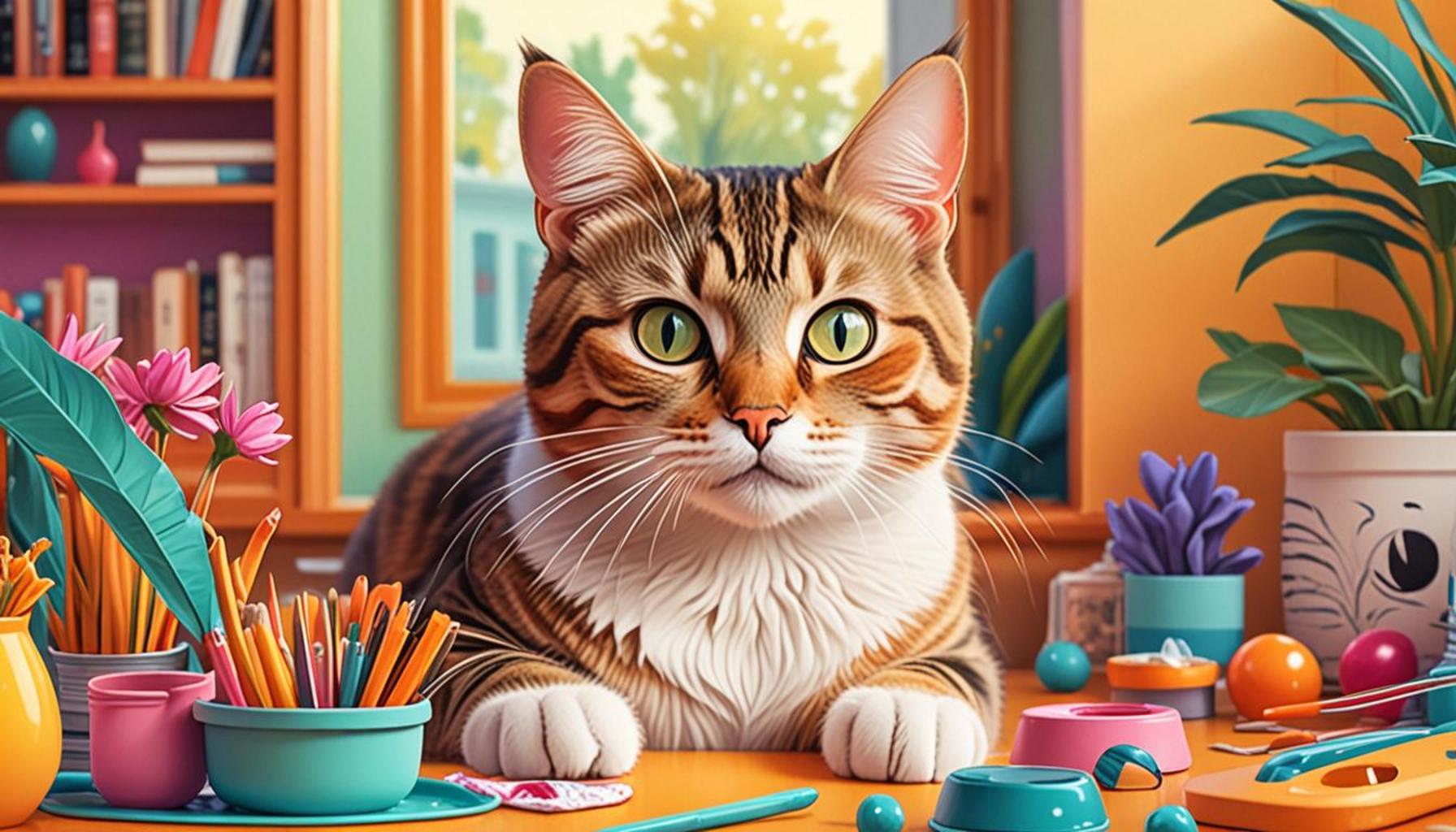
The Crucial Role of Socialization in Cats
Understanding the role of socialization in cats is essential for every pet owner aiming to create a harmonious home. Often seen as aloof and solitary, cats actually have significant social needs that are crucial for their emotional well-being and behavior. Socialization, when done correctly, not only enhances a cat’s quality of life but also helps foster a peaceful domestic atmosphere.
Benefits of Socializing Cats
Research shows that well-socialized cats exhibit a range of positive traits, such as reduced anxiety in diverse situations. A cat that is comfortable around people and other animals is less likely to react with fear or aggression, making it easier for them to adapt to new environments or changes in their routine.
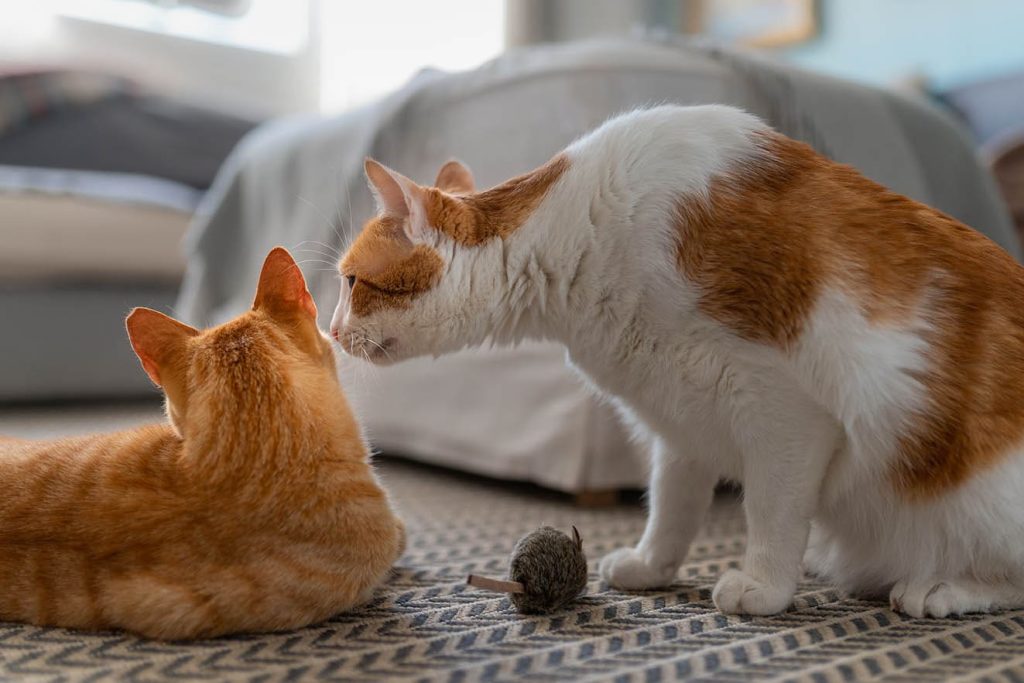
Furthermore, socialized cats demonstrate improved interactions with both humans and other pets. This can lead to more affectionate and playful relationships, where the cat becomes an integral part of the family. The bonding process that occurs through positive interactions can result in a more trusting and loyal companionship.
Moreover, a socialized cat tends to display enhanced playfulness and overall engagement with its surroundings. This engagement not only provides mental stimulation but also keeps them physically active, contributing to better health and a happier life.
Top 5 Reasons to Socialize Your Cat
By delving into the importance of socializing cats, we can highlight the Top 5 reasons why this practice is essential for a happy and healthy home environment:
- Increased confidence in exploring new environments and situations.
- Enhanced ability to build bonds with family members and other pets.
- Reduced likelihood of behavioral issues, such as aggression and excessive hiding.
- Greater adaptability to changes in lifestyle or living conditions.
- Promotion of overall mental and physical health through engagement.
By fostering strong relationships between pets and their families, owners can enjoy a fulfilling companionship that thrives on mutual trust and warmth. This symbiotic relationship not only enriches the life of the cat but also brings immense joy and satisfaction to the owners, creating a truly harmonious home environment.
Top 5 Reasons Why Socializing Cats is Crucial for a Healthy Home
When thinking about feline companions, their reputation for independence often stands at the forefront. Cats have long been celebrated for their mysterious, self-reliant nature. Yet behind those enigmatic eyes and confident strides lies a key factor to ensuring cat happiness and wellbeing: socialization. While many assume cats to be naturally aloof, integrating them into family life through gentle socialization can significantly improve not just their quality of life, but also the quality of the household dynamics. Here, we delve into the top 5 reasons why socializing cats is fundamental in establishing a serene and healthy home environment.
5. Reducing Stress and Anxiety
Cats, despite their independent reputation, can be susceptible to stress and anxiety without sufficient social interaction. This isn’t limited to interaction with humans but also includes rapport with fellow pets. Anxiety in cats can lead to:
- Excessive grooming or fur loss due to stress-induced behaviors.
- Increased aggressive behavior as a defensive mechanism.
- Disruptions in basic habits such as eating and using the litter box.
Regular socialization helps cats become familiar with their environment and the beings they share it with. This familiarity reduces anxiety-related behaviors and contributes to a more harmonious living situation. By minimizing stress, owners can ensure a happier, healthier cat that can freely express its playful and affectionate nature.
4. Encouraging Positive Behavior
Much like human children, young kittens are highly impressionable and responsive to early education. Socialization serves as a cornerstone for teaching cats positive behaviors and discouraging problematic ones. Consider this analogous to teaching a young child social etiquette; kittens can learn how to interact appropriately with both people and fellow animals.
For instance, a well-socialized cat often has a calmer demeanor and adapts more easily to new surroundings or changes within the home environment. This enhanced adaptability reduces the risk of behaviors such as clawing furniture or play-biting, which can often stem from anxiety or misdirected play. Establishing these social skills early in life prevents behavioral issues down the line, creating a more balanced and enjoyable household experience.
3. Enhancing Physical Health
While socialization might not initially appear linked to physical health, it can have a considerable impact on a cat’s physical well-being. Cats that are socialized are typically more active, engaging in playful activities both with people and fellow animals. This activity is paramount for maintaining a cat’s fitness and reducing the likelihood of obesity-related health issues.
Active social play serves dual purposes: promoting physical fitness while providing mental stimulation. This includes benefits such as:
- Improved agility and overall fitness levels, keeping the cat healthier longer.
- A marked decrease in destructive behavior that often arises from boredom, like excessive scratching.
- Strengthening the emotional bond between human and pet, as play often leads to mutual enjoyment and understanding.
These elements contribute significantly to a cat’s long-term well-being. A socialized environment inevitably leads to an active and physically stimulated life for your feline friend.
2. Fostering a Strong Human-Animal Bond
The emotional riches that come from a deep human-animal bond cannot be overemphasized. A well-socialized cat is generally more trusting and open to affectionate interactions, allowing for a closer relationship with its human companions. This bond is a two-way street; it provides owners with joy, companionship, and emotional satisfaction.
Through socialization, cats learn to feel safe and at ease around humans, preventing misunderstandings and mistrust. These bonding experiences are not only heartening but have been scientifically shown to enhance the well-being of both humans and animals. Studies point to human-animal relationships as a contributing factor to positive mental health outcomes, demonstrating the importance of nurturing this bond through early and consistent socialization practices.
1. Creating a Safe and Pleasant Environment
Ultimately, the crux of socializing cats lies in cultivating a safe and pleasant environment for all. A socialized cat contributes positively to household dynamics, whether it involves welcoming guests, introducing new family members (human or animal), or traveling to new places.
Not only does effective socialization ensure that a cat is more adaptable and less prone to stress, but it also prepares them for a variety of social settings and surfaces, minimizing territorial or defensive behaviors. This adaptability is precious in maintaining peace and harmony within a household, avoiding disruptions born of miscommunication or aggression.
In wrapping up, the act of socializing cats extends beyond mere interaction. It actively fosters a myriad of benefits, reducing stress, preventing behavioral problems, enhancing physical health, and strengthening the bonds of love and trust. Prioritizing socialization allows cats to realize their fullest potential as affectionate, happy companions. The importance of socialization is clear—it’s a cornerstone for cultivating the nurturing and harmonious atmosphere every pet owner strives for in their home.
| Category | Details |
|---|---|
| Enhanced Mental Health | Socialization helps decrease anxiety in cats, fostering a more peaceful environment. |
| Improved Behavior | Cats that are properly socialized tend to exhibit less aggression and are more well-behaved around their owners and other pets. |
| Stronger Bonds | Socialization fosters trust between cats and their owners, creating a stronger emotional connection. |
| Healthier Lifestyle | Playtime with other cats can promote physical activity, reducing the risk of obesity and related health issues. |
Socializing cats is not merely about companionship; it plays a pivotal role in their overall development and well-being. For instance, enhanced mental health is one of the most notable advantages. When cats engage with other animals and their humans in a comforting environment, they experience reduced stress levels, which is crucial for their long-term psychological health. They feel more secure and less threatened, mirroring a more natural state of being.Moreover, cats that undergo regular socialization demonstrate improved behavior. A well-socialized cat is typically more adaptable and less likely to display negative behaviors such as aggression or excessive scratching. It’s essential for owners to regularly engage with their feline companions to instill these positive traits.Another important dimension is the opportunity for creating stronger bonds. Social interactions foster trust and affection, allowing cats to form deep emotional connections with their owners. This bond can enrich daily interactions, transforming routine activities into moments of joy and companionship.Finally, socialization leads to a healthier lifestyle for cats. Regular playdates with other friendly cats not only help in leisure but also encourage exercise. Engaging in active play reduces risks associated with obesity and other health issues, thereby contributing to a longer, healthier life. Thus, socialization serves as a vital pillar of wellbeing for cats, impacting their physical, mental, and emotional health in profound ways.
Frequently Asked Questions on Cat Socialization for a Healthy Home Environment
What is cat socialization, and why is it important?
Cat socialization is the process of introducing your feline friend to various stimuli, environments, people, and other animals in a way that helps them feel comfortable and well-adjusted. This is crucial because it prevents your cat from developing fear or aggression-related behaviors. Socialized cats are more likely to adapt well to changes and live harmoniously in a household, contributing to a peaceful and healthy home environment.
At what age should I start socializing my cat?
The window for optimal socialization occurs when a kitten is between 2 to 9 weeks of age. During this time, kittens are generally more receptive to new experiences and are less likely to be scared of unknown stimuli. However, if you adopt an older cat, it’s never too late to start socializing them. Patience and gradual introductions to new situations can significantly improve their social behavior.
What are some effective methods to socialize a cat?
Effective socialization techniques include exposing your cat to different sounds, sights, and experiences in a controlled manner. Gradually introduce them to household noises like vacuum cleaners, television, and hairdryers. Additionally, spend time handling them by petting, brushing, and playing to strengthen your bond. Introducing them to different people and pets under supervision can also be beneficial, as it enhances their social skills and helps prevent isolation behavior.
What if my cat doesn’t respond well to socialization efforts?
Not all cats will immediately respond to socialization attempts. Some might be more reserved or even resistant. If your cat appears stressed or anxious, it’s important to slow down and allow them to adjust at their own pace. Using positive reinforcement—such as treats and praise—can encourage them to accept new experiences. If challenges persist, consulting a veterinarian or a feline behaviorist might provide insights and personalized strategies for your cat.
How does a well-socialized cat improve the home environment?
A well-socialized cat contributes positively to the home environment by being more adaptable and less prone to stress-induced behaviors like scratching furniture or avoiding litter boxes. They are usually more affectionate, playful, and interactive, thus enhancing the entire household’s emotional well-being. Moreover, their ease with guests and other pets fosters a more inclusive and harmonious living space.
Conclusion
The socialization of cats plays a crucial role in ensuring a harmonious and healthy domestic environment. Throughout this article, we’ve delved into the significance of integrating felines into our homes in a manner that promotes positive interactions and well-being. The benefits of socialization extend beyond mere coexistence, contributing significantly to a pet’s mental and emotional health, while reducing the likelihood of anxiety-driven behaviors.
Key points underscore the fact that early socialization leads to better-adjusted cats that are comfortable around humans, other pets, and novel situations. This foundational period is critical, as cats that experience positive interactions during this time are more likely to exhibit sociable and less fearful behaviors as adults. Moreover, the socialization process involves continuous engagement, understanding, and providing enrichment activities that cater to a cat’s natural instincts.
- Understanding feline behavior helps in customizing socialization to meet individual needs.
- Providing opportunities for play and exploration stimulates mental health.
- Positive reinforcement strengthens trust between humans and cats.
A socialized cat contributes positively to the household dynamics, making interactions more enjoyable and reducing stress for both the pet and its owner. In conclusion, investing time and effort into the socialization of cats not only enhances the quality of their lives but also fosters a nurturing environment where both pets and humans can thrive together. Going forward, it is essential to remember that each cat is unique, necessitating tailored approaches to socialization that respect their individual personalities and past experiences. By doing so, we can create loving homes where cats feel secure and engaged, ultimately leading to a more satisfying pet ownership experience.
Related posts:
Strategies for Dealing with Separation Anxiety in Dogs and Cats
How to Prepare Your Pet for Safe and Comfortable Travels
The importance of environmental enrichment for the mental health of pets
The importance of mental activity and interactive games for pets in urban environments
The Importance of Proper Nutrition for Cats in Urban Environments
How to Choose Safe and Suitable Toys for Different Types of Pets

Linda Carter is a writer and pet care expert specializing in pet health, grooming, and wellness. With extensive experience helping pet owners create safe, loving, and enriching environments for their animals, Linda shares her knowledge on our platform. Her goal is to empower readers with practical advice and strategies to ensure their pets thrive and lead joyful, healthy lives.