Essential Dog Care Tips for Health in Nigerias Tropical Climate
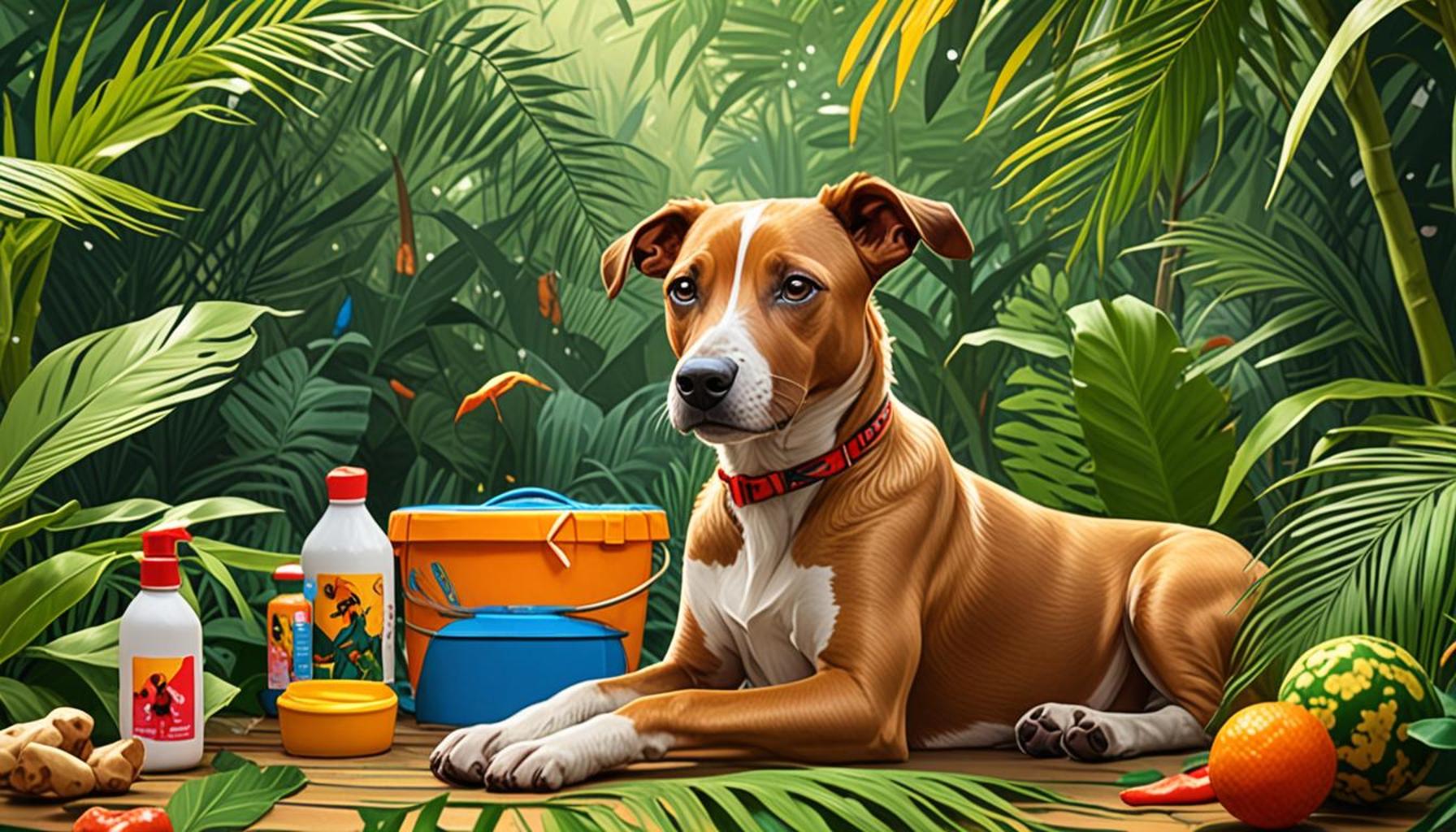
In Nigeria’s tropical climate, dog owners face unique challenges that can significantly impact their pets’ health. With soaring temperatures and high humidity levels, understanding how to protect your furry companions becomes essential. Here are some crucial insights into maintaining your dog’s well-being in this environment.
Consider the following factors that can enhance your pet’s life:
- Heat management: Monitoring temperature and avoiding outdoor activities during peak heat hours.
- Hydration: Ensuring your dog has constant access to fresh, clean water.
- Grooming: Regular grooming to help keep your dog’s coat manageable and reduce heat retention.
- Nutrition: Providing a balanced diet tailored to their needs in a humid climate.
- Preventative care: Staying updated on vaccinations and parasite control.
This article will delve deeper into the Top 5 essential dog care tips tailored for the challenges of a tropical climate, ensuring your canine remains healthy and happy all year round.
Top 5 Essential Care Tips for the Health of Dogs in Tropical Climates in Nigeria
Nigeria, a country known for its warm climate and vibrant culture, is home to many pet lovers who share their lives with dogs. However, caring for these loyal companions presents unique challenges, especially in Nigeria’s tropical climate. The combination of heat, humidity, and a diverse ecosystem requires pet owners to be particularly vigilant. In this expanded guide, we delve deeper into the top five essential care tips that ensure your canine friends thrive in such an environment.
5. Maintaining Proper Hydration
Hydration is crucial for all living beings, but it holds even more importance for dogs in tropical climates. The human body can regulate heat through sweat, but dogs primarily dispel heat by panting. This mechanism can quickly be overwhelmed in high temperatures, leading to dehydration.
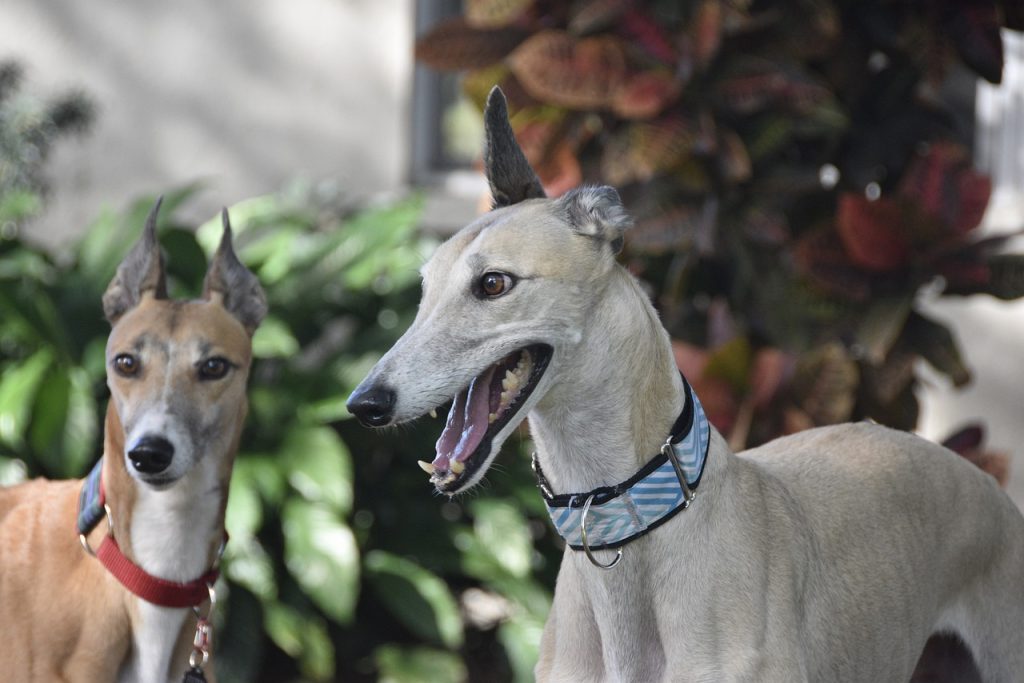
- Always ensure your dog has access to fresh, clean water: Position water bowls in multiple locations throughout the house and yard to encourage hydration.
- Monitor their water intake: After any outdoor activity or during particularly warm days, check if your dog is drinking enough. Decreased water intake can be a warning signal of discomfort or heat stress.
- Consider adding ice cubes to their water bowl: Not only does this act as a refreshing treat, but it also helps keep the water cooler for longer periods.
Dogs are prone to heatstroke and kidney problems if not adequately hydrated. Pet owners need to be proactive by encouraging regular drinking and watching for signs of early dehydration, such as dry gums and excessive panting.
4. Regular Grooming
Beyond aesthetic appeal, grooming plays a pivotal role in maintaining a dog’s health in warm climates. Dogs with longer or thicker fur can overheat more quickly, and tangled coats can trap humidity, increasing the risk of skin infections.
- Brush your dog’s coat regularly: This should be part of the daily routine, especially for breeds with longer hair. Brushing helps air circulation through the coat, keeping it free from dirt and detaching loose fur that could thicken the coat.
- Consider regular trips to a professional groomer: Professional grooming includes trimming and shaving, which can help specific breeds better cope with the heat.
- Bathing your dog with appropriate products: Use hypoallergenic shampoos especially formulated for dogs to avoid skin irritation while removing excess oils and dirt.
Grooming helps in preventing matted hair, ticks, and fleas infestations. Importantly, it allows owners to inspect their pets for any abnormalities such as skin growths or parasites, ensuring they remain healthy and comfortable.
3. Providing Shade and Shelter
Shade and proper shelter are vital for dogs living in Nigeria’s tropical climate. The intense sunshine, particularly from late morning to mid-afternoon, can lead to rapid overheating and severe health issues.
- Set up shaded areas in your yard: Simple solutions like shade cloths or umbrellas can provide temporary relief, but investing in a durable doghouse with good ventilation is advisable.
- Ensure any outdoor activities are scheduled for cooler times of the day: Early morning and late afternoons are the best times for walks and play, minimizing the risk of heat exposure.
- Provide indoor spaces that are cooler: During sweltering days, allow your dog to rest in air-conditioned rooms or near fans to help them stay cool.
By preparing environments that offer relief from the direct sun, you guard against the risks of sunburn and heatstroke, ensuring your dog can enjoy the outdoors safely.
2. Vaccinations and Preventative Care
Tropical climates like Nigeria’s harbor unique parasites and diseases that pose specific threats to canine health. Preventative care, thus, becomes a cornerstone of dog care.
- Regularly administer flea and tick prevention: These parasites flourish in warm weather and can spread diseases like Lyme disease and tick-borne fever.
- Discuss with your vet about heartworm preventative medication: Mosquitoes, carriers of heartworm larvae, are prevalent in tropical regions, making this an essential preventive measure.
- Annual check-ups are essential: Besides vaccinations against diseases like rabies, parvovirus, and distemper, regular vet visits help detect problems early before they become serious.
A comprehensive vaccination schedule and preventative care plan, customized according to your location and vet recommendations, can significantly extend your dog’s life and enhance their quality of living.
1. Understanding Signs of Heat Stress
Recognizing and understanding the symptoms of heat stress can be the difference between life and death for your dog in a tropical setting. Dogs can suffer from heat stress rapidly, so being able to identify the warning signs is crucial.
- Do not leave your dog in a parked car: Even on seemingly mild days, temperatures inside vehicles can rise dangerously high in minutes.
- Limit strenuous exercise during hot days: Adapt activity levels to the temperature; activities like running should be swapped for light, shaded walks.
- Keep a close eye on them during outdoor activities: Look for excessive panting, lethargy, or confusion, which are early warnings of overheating.
Understanding signs of heat stress allows for timely interventions, such as moving the dog to a cooler environment, offering water, or seeking veterinary care. Being informed thus empowers pet owners to act swiftly in safeguarding their dog’s health.
By adhering to these guidelines, pet owners across Nigeria can not only enhance the daily quality of life for their dogs but also ensure that their four-legged friends live long and healthy lives. A well-cared-for dog not only thrives but reciprocates by providing boundless joy and companionship, enriching the lives of their owners undoubtedly.
| Category | Details |
|---|---|
| Hydration Needs | In tropical climates, ensuring that dogs have access to fresh and clean water at all times is essential. Dehydration can quickly become a serious issue, leading to health complications. |
| Climate Adaptation | Dogs may require a period of adjustment to the hot environment. Gradual exposure to outdoor activities can help them acclimate and avoid heat-related stress. |
| Flea and Tick Prevention | Given the warm climate, fleas and ticks are rampant. Regular treatment and preventative measures are critical to protect dogs from infestations and potential diseases. |
| Nutrition Essentials | A balanced diet is vital. Choose high-quality food that meets the unique nutritional needs of dogs in hot climates, potentially requiring different caloric intake due to their increased physical activity levels. |
In the context of tropical climates, the health of dogs can significantly fluctuate due to environmental factors. One of the most critical aspects to consider is hydration. Dogs lose moisture more rapidly in these climates because of increased temperatures and humidity; therefore, ensuring that they have access to plenty of fresh water at all times cannot be overstated. Dehydration, if not addressed swiftly, can lead to severe health outcomes, including organ failure.Moreover, dogs may face difficulties adapting to sudden climate changes, especially if they are moved from cooler regions. It is vital to allow them to acclimate gradually to avoid heat stress or heatstroke, which are real concerns for pet owners living in tropical areas. Utilizing shaded areas and avoiding outdoor activities during peak sun hours can help significantly in this adaptation process.Flea and tick control also warrants serious attention in such climates. The prevalence of these parasites increases with warm temperatures, making it imperative to stay on top of prevention techniques. Regular use of veterinarian-recommended treatments can protect dogs from infestations that not only cause discomfort but can also transmit diseases.Lastly, understanding the nutritional requirements of dogs living in tropical climates is crucial. These pets may require adjustments in their diet based on their activity levels, which typically rise due to high temperatures. A balanced diet that offers proper hydration and energy boosts can help pets thrive even in challenging conditions. Pet owners should consult with veterinarians to tailor the food that best meets their dog’s unique needs under such heat-laden circumstances.
FAQs on Essential Care for Dogs in Tropical Climates of Nigeria
How can I keep my dog hydrated in Nigeria’s tropical climate?
Ensuring your dog remains hydrated is crucial, especially in Nigeria’s tropical climate where temperatures can soar. Always provide access to clean and fresh water. Consider feeding them moist foods occasionally and provide additional water when they are outdoors. Keep an eye on the signs of dehydration such as excessive panting, dry nose, or loss of skin elasticity. Regular hydration reduces the risk of heat exhaustion and stroke.
What are the common health issues for dogs living in tropical climates?
Dogs in tropical climates face unique health challenges including heatstroke, ticks and flea infestations, and skin infections due to humidity. It’s important to keep their living environment clean and provide regular veterinary check-ups. Diseases such as heartworm, often transmitted by mosquitoes, are also a significant concern. Consider vaccinations and preventive measures to mitigate these risks.
Are there specific breeds that are better suited for tropical climates like Nigeria’s?
Certain dog breeds cope better in warm climates due to their coat type and physical adaptations. Breeds such as the Basenji, Labrador Retriever, and short-coated Terriers tend to do well in tropical environments. However, proper care and observation are necessary for all breeds to ensure wellbeing regardless of the climate. Dogs with thicker coats may require regular grooming to help them stay cool.
What dietary considerations should I keep in mind for dogs in Nigeria?
Diet plays a pivotal role in maintaining a dog’s health in any climate. In Nigeria, you should consider a balanced diet that provides adequate hydration. Opt for high-quality dog food with a good blend of nutrients, and include some wet food options to ensure fluid intake. Attention to portion sizes is important to maintain an ideal weight, minimizing the risks associated with obesity.
How can I protect my dog from parasites in tropical regions?
Parasites like ticks, fleas, and worms are prevalent in tropical climates and can pose significant health risks to dogs. Regular use of vet-approved flea and tick preventatives is essential. Keeping your dog’s sleeping and play areas clean helps, as does regular grooming and bathing. Annual veterinary check-ups can detect early signs of parasitic infestations.
Conclusion
In conclusion, maintaining the health and well-being of dogs in the challenging tropical climate of Nigeria requires a multifaceted approach. These regions present unique challenges, such as high temperatures and humidity, which can significantly impact a pet’s health.
First and foremost, hydration remains crucial. Ensuring that dogs have constant access to fresh and clean water is essential in preventing dehydration, which can lead to severe health issues if ignored. Coupled with hydration, providing a well-balanced and nutritious diet tailored to the climatic conditions enhances a dog’s immune system, helping it withstand the environmental stresses.
Another critical aspect is the management of external parasites, which are prevalent in tropical regions. Regularly using vet-recommended anti-parasitic treatments can prevent infestations that are not only uncomfortable but can also lead to diseases. Moreover, grooming and coat care are paramount. Regular bathing and grooming help in maintaining hygiene while also allowing the owner to check for any skin problems or parasites proactively.
Lastly, ensuring exercise remains a component of their daily routine, but with caution to avoid the intense heat of the day, is vital for maintaining their physical and mental health.
Each of these elements plays a significant role in safeguarding canine health in Nigeria’s tropical climate. By following these guidelines, pet owners can significantly enhance the quality of life for their furry companions. Exploring these strategies further can lead to innovative ways to support dog health, aligning with broader animal welfare efforts. This holistic approach ensures a healthier, happier life for dogs, reflecting their vital role in human society.
Related posts:
The impact of responsible adoption on reducing pet abandonment
Essential Care for the Dental Health of Dogs and Cats
Essential Care for Dogs in Hot Climates in Nigeria
The Importance of Proper Nutrition for Cats in Urban Environments
How to Deal with Destructive Behaviors in Pets During Confinement
Why Cat Socialization Is Crucial for a Healthy Home Environment

Linda Carter is a writer and pet care expert specializing in pet health, grooming, and wellness. With extensive experience helping pet owners create safe, loving, and enriching environments for their animals, Linda shares her knowledge on our platform. Her goal is to empower readers with practical advice and strategies to ensure their pets thrive and lead joyful, healthy lives.