Positive Training Techniques for Dogs: Building a Strong Bond with Your Pet
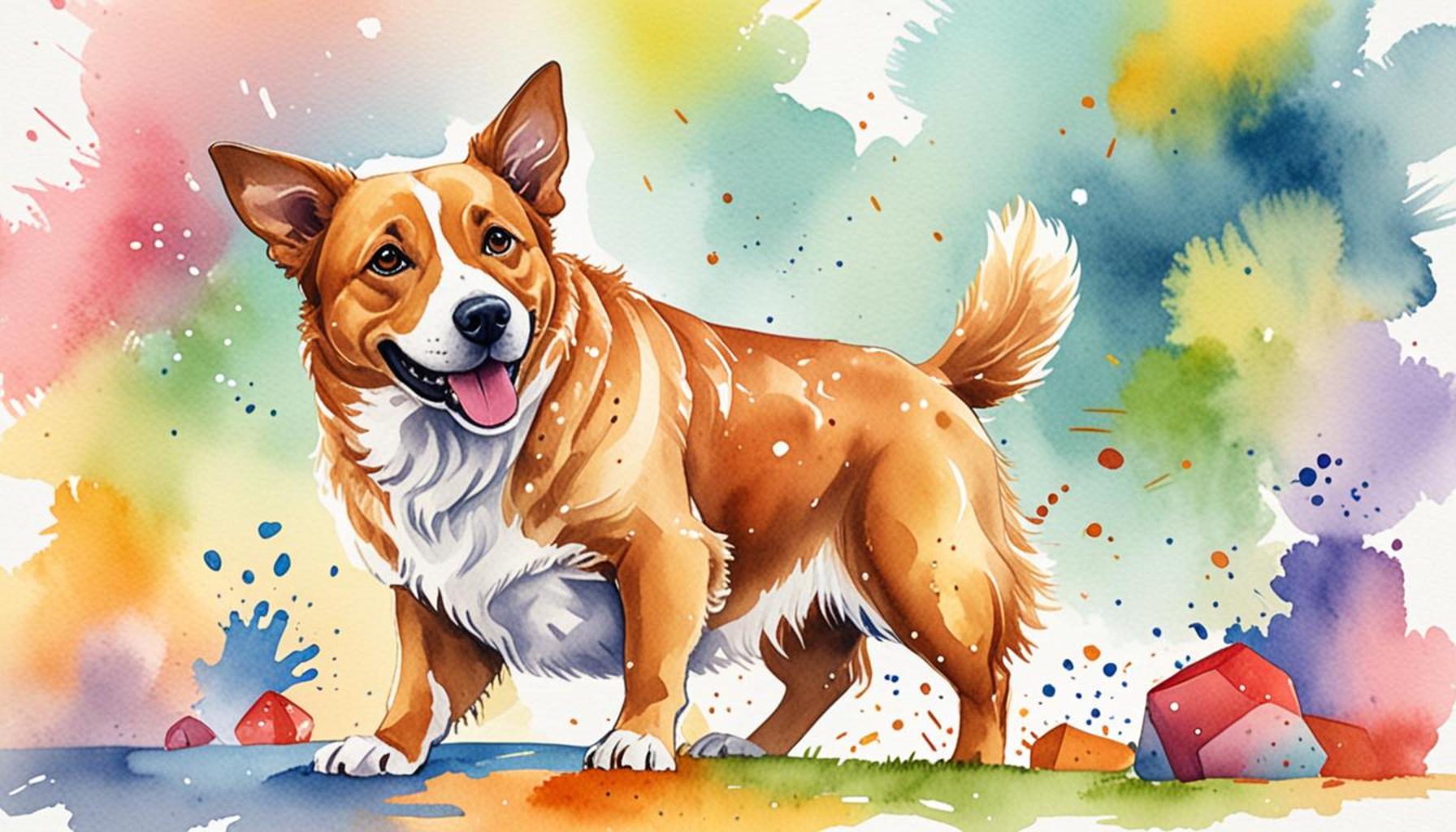
The Impact of Positive Dog Training Techniques
In the realm of training our four-legged companions, positive techniques have emerged as the most effective and humane approach. These methods pivot away from traditional punishment, focusing instead on reward and encouragement. This paradigm shift is not just about teaching dogs commands; it fosters a robust, healthy bond between the pet and owner, ultimately leading to more harmonious living conditions.
One of the most compelling advantages of positive training techniques is the strengthened bond they create. When you routinely reward your dog with praise, treats, or playtime for desirable behaviors, you build trust. For instance, if you regularly praise your dog after they sit on command, they begin to associate that command with positive interaction, reinforcing their willingness to obey. This trust is vital; it transforms the owner-pet relationship into a partnership based on mutual respect and understanding.
Moreover, improved behavior is another significant benefit of positive reinforcement. Dogs naturally seek to repeat actions that yield rewards. Consider a scenario where a dog approaches a person calmly instead of barking. When that calm behavior is rewarded with a treat, the dog is more likely to exhibit that behavior in the future. This method is not only effective but can also save pet owners from dealing with problematic behaviors like excessive barking or jumping without resorting to harsh methods.
Additionally, engaging in positive training can lead to reduced fear among dogs. When dogs are subjected to punitive training techniques, it can instill fear, leading to anxiety or even aggression. In Nigeria, where dogs are cherished members of families, a fear-based approach can be detrimental. Rather than achieving obedience, it may result in a frightened or aggressive pet, which ultimately complicates the pet-owner relationship.
In Nigerian households, using treats like chicken or fish, which are culturally familiar, when training can make the process enjoyable for both the dog and the owner. Imagine a scenario where during family gatherings, friends commend your dog’s well-behaved antics; it not only deepens your dog’s confidence but also amplifies your bond during communal celebrations.
As we delve deeper into the essentials of positive training, it’s crucial to explore its diverse techniques, such as clicker training, reward-based behavioral techniques, and social reinforcement. Learning to implement these methods effectively can enhance not just your dog’s skills but also lead to a happier, healthier life together. The journey of positive reinforcement training is not just about obedience—it’s about cultivating a lifelong friendship filled with understanding and joy.
RECOMMENDED: Check out this similar article
Understanding Positive Training Techniques
To effectively implement positive training techniques, it’s essential to understand its core principles. At the heart of these methods lies the concept of reward-based learning. Dogs are intelligent creatures that respond best when their good behavior is recognized and appreciated. This encourages them to repeat those behaviors. The easier we make it for our pets to understand what is expected, the more success we will see in training.
One of the most practicable approaches to positive training is clicker training. This method involves the use of a small handheld device that produces a distinct sound, indicating to the dog that they have performed a desired action correctly. For example, when training a dog to ‘stay’, the clicker can be used as a marker when the dog remains in position. Immediately following the click, a treat is given. Over time, the sound of the clicker becomes associated with positive outcomes, and the dog is more likely to repeat the behavior. This method is particularly beneficial in Nigeria, where dogs are part of community life, and maintaining reliability in their behavior is essential.
Another effective method is using reward-based behavioral techniques. This involves rewarding dogs for displaying desired behaviors, whether through treats, toys, or verbal praise. Here are a few simple examples:
- Leash Training: Reward your dog when they walk beside you instead of pulling ahead.
- House Training: Praise your dog when they successfully relieve themselves outside.
- Basic Commands: Use treats to encourage responses to commands such as ‘sit’, ‘stay’, and ‘come’.
Using culturally relevant rewards can enhance the training experience. In Nigeria, popular treats like dried fish or small pieces of chicken can be extremely motivating for many dogs. Not only do these rewards offer a tasty incentive, but they also bring an element of familiarity into the training process, fostering an enjoyable experience for both the dog and the owner.
A significant aspect of positive training is social reinforcement. Dogs are pack animals and thrive on social interaction. Engaging with your dog during training sessions—through play, affectionate touches, or simply spending quality time—strengthens the bond you share. Each time you reinforce good behavior with social praise, you are contributing to a deeper relationship built on trust and companionship. In a country like Nigeria, where family and community are deeply valued, this interpersonal engagement extends beyond the individual to create a joyous family dynamic involving pets.
Ultimately, the journey of positive dog training is not just about obedience; it is a commitment to understanding your pet’s needs and fostering a partnership that respects their nature. By investing time and effort into positive techniques, owners can nurture well-behaved, confident dogs that enrich their families’ lives.
| Advantages | Impact on Bonding |
|---|---|
| Encourages Mutual Trust | Positive training fosters an environment where dogs feel secure, thus enhancing their willingness to engage with their owner. |
| Reduces Behavioral Issues | By implementing positive reinforcement, owners can correct unwanted behavior while strengthening their relationship with their pet. |
| Enhances Communication | Effective training improves the understanding between dog and owner, making interactions more rewarding. |
| Boosts Confidence | Positive training techniques help dogs feel accomplished, leading to greater self-esteem and a better connection with their owners. |
Building a strong bond with your pet using positive training techniques not only enhances their learning but also fosters a deeper emotional connection. By understanding the psychology behind positive reinforcement, owners can play an active role in their dog’s behavior, which can lead to a more harmonious home environment. As you explore these techniques, consider the noticeable improvements in your dog’s overall demeanor and interactions with you as a rewarding experience.
SEE ALSO: Click here to read another article
Incorporating Positive Reinforcement into Daily Life
Integrating positive reinforcement techniques into your daily interactions with your dog not only enhances training effectiveness but also strengthens the bond you share. For many dog owners in Nigeria, this means creating opportunities for learning moments throughout the day. Simple tasks like fetching slippers, sitting politely during meals, or waiting at doorways can all be transformed into training opportunities.
A helpful concept is the principle of consistency. Dogs thrive in environments where routines are established, and expectations are clear. By using the same commands, tone of voice, and hand signals consistently, owners can help their pets make connections between their actions and the corresponding rewards. For example, if you use a specific phrase like “good dog” every time your pet follows a command, over time, the dog learns to recognize the association of the phrase with their good behavior.
Furthermore, incorporating training into playtime can yield positive results. In communities where outdoor space is limited, activities such as playing fetch or hide-and-seek can be used as training tools. For instance, hiding a favorite toy and allowing your dog to locate it based on verbal cues not only teaches them to follow commands but also enhances their problem-solving skills. It can be a delightful way to engage with your dog while reaping the benefits of positive reinforcement in a fun-filled atmosphere.
The Role of Patience and Timing
Another crucial element of positive training techniques is the importance of patience and timing. Training does not happen overnight, and it is essential for owners to allow their dogs the time they need to understand and learn new behaviors. In a setting that may lead to frustration, such as during busy urban moments in Nigeria, remaining calm and composed can help create an encouraging environment for your dog.
Moreover, timely rewards are vital. Dogs have short attention spans, and they will only associate a reward with a behavior if it is provided within seconds of the action. This means if your dog performs a trick or obeys a command, delivering a treat or praise immediately reinforces the behavior successfully. Owners should also be attuned to their dog’s emotional state. If a training session feels overwhelming to the dog, it’s wise to take a step back, offer encouragement, and create a more relaxed environment.
Building a Better Understanding of Your Dog’s Needs
Positive training techniques not only focus on commands and tricks but also emphasize understanding your dog’s individual personality and needs. It is essential for owners to observe their pet’s unique traits to tailor the training approach accordingly. For some dogs, socialization is a priority, while others may require more focused attention during training sessions. Tailoring techniques to their temperament can lead to more effective outcomes.
In places like Nigeria, where environments may not always be predictable, recognizing signs of stress or anxiety in dogs can guide owners in adjusting their training methods. Using techniques such as desensitization—gradually exposing a dog to a stimulus in a controlled manner—can help them build confidence and cope better with challenging situations. Building this understanding fosters a resilient bond that not only benefits training but also enhances the overall happiness of your pet.
Incorporating these approaches into everyday interactions creates a pleasurable training landscape. Ultimately, through positive reinforcement and mutual understanding, owners can cherish a dynamic relationship built around respect, love, and effective communication. As dog lovers embrace these techniques, the rewards are evident in the joyful wagging tails and deeper bonds formed within every household.
LEARN MORE: This related article may interest you
Conclusion
In summary, positive training techniques are not just about teaching commands but also about fostering an enriching relationship between you and your dog. The integration of strategies such as consistency, patience, and understanding your dog’s unique needs creates a harmonious training environment that promotes both learning and emotional well-being. By recognizing the importance of timely rewards and tailoring your approach to suit your dog’s personality, you set the stage for a lifetime of companionship rooted in trust and joy.
As dog owners in Nigeria navigate various training challenges, from urban distractions to limited outdoor spaces, adapting these positive methods can significantly enhance both training effectiveness and your pet’s overall happiness. Encouraging engagement through everyday activities transforms mundane tasks into valuable learning experiences, ensuring that the bond you share with your dog grows ever stronger.
Ultimately, embracing these positive techniques will yield results that extend far beyond mere obedience. Instead, you will cultivate a relationship based on mutual respect, enhanced communication, and, most importantly, a deep-seated love. So, invest time, patience, and creativity into your training efforts, and watch as your furry friend blossoms into a well-adjusted, happy member of the family. The journey towards building a lasting connection with your dog can be incredibly rewarding, and the joy in their wagging tails and playful antics is a testament to the success of your shared experience.
Related posts:
Positive Reinforcement Techniques for Dog Training Build Trust
Game-Based Training Methods: Learning Through Fun and Interaction
Training Techniques for Assistance Dogs: Preparing Your Pet to Help
Socialization Techniques for Puppies: Preparing Your Pet for a Social World
Agility Training Techniques: Preparing Your Pet for Sports Competitions
Desensitization Strategies: Helping Your Pet Overcome Fears and Anxieties

Linda Carter is a writer and pet care expert specializing in pet health, grooming, and wellness. With extensive experience helping pet owners create safe, loving, and enriching environments for their animals, Linda shares her knowledge on our platform. Her goal is to empower readers with practical advice and strategies to ensure their pets thrive and lead joyful, healthy lives.