The Benefits of Pets on Child Health: How Pets Can Help in Children’s Development
The Multifaceted Benefits of Pets in Child Development
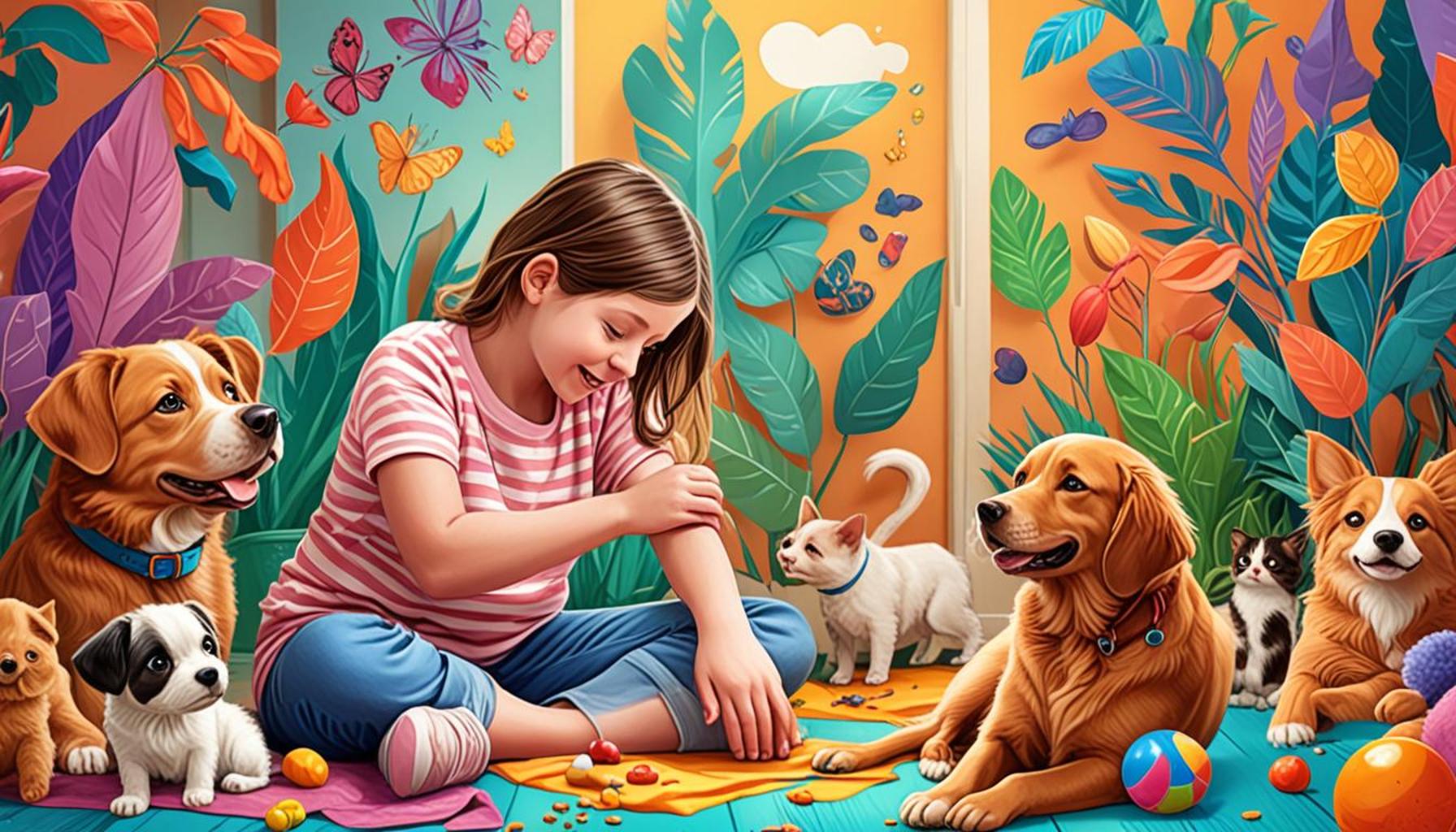
Pets have long been cherished companions, but their advantages extend far beyond simple companionship. Growing awareness of the substantial benefits of pets on child health has opened new conversations among parents and educators. Research suggests that pets can play a pivotal role in children’s development. In a rapidly urbanizing environment like Nigeria, where family remains a central part of life, the presence of a pet in the household can significantly enhance familial bonds and social skills.
For instance, consider the vibrant relationship between children and dogs, a common choice of pet in Nigerian households. Engaging with a dog requires children to express themselves both verbally and non-verbally. This interaction not only fosters communication skills but also teaches children to read the emotions of their furry companions, enhancing their empathetic abilities. Similarly, cats, while more independent, offer a unique opportunity for quieter moments of connection, where children can learn to appreciate patience and gentleness in their interactions.
Having a pet at home can lead to significant developmental benefits, such as:
- Emotional Support: Pets offer unconditional love, helping children feel secure and supported. The bond children share with their pets can serve as an emotional anchor, especially during challenging times, fostering resilience and emotional stability.
- Physical Activity: Caring for pets encourages children to engage in regular physical play, improving their fitness levels. Activities like walking a dog or playing fetch not only promote physical health but can also combat the sedentary lifestyle that is becoming increasingly prevalent among children.
- Social Skills: Interactions with pets can enhance a child’s ability to empathize and develop communication skills. By nurturing their pets, children inadvertently learn about responsibility, creating a sense of belonging and community both at home and in broader social settings.
Moreover, studies have indicated that children who grow up with pets often experience lower levels of anxiety and stress. For instance, during the COVID-19 pandemic, many families reported that their pets provided essential companionship and comfort during isolation. These furry friends promote a sense of responsibility and nurturing in kids, essential traits for their emotional intelligence.
Diving deeper into the implications, it’s vital to recognize how different kinds of pets can uniquely contribute to child health. For example, small mammals like rabbits or guinea pigs can provide a lower-maintenance option yet still teach children about care and empathy. Fish aquariums, although often seen as purely aesthetic, can introduce children to concepts of responsibility and routine maintenance. Understanding these dynamics can enlighten parents and caregivers alike, guiding them in making informed decisions about integrating pets into their children’s lives, ultimately fostering a more nurturing environment.
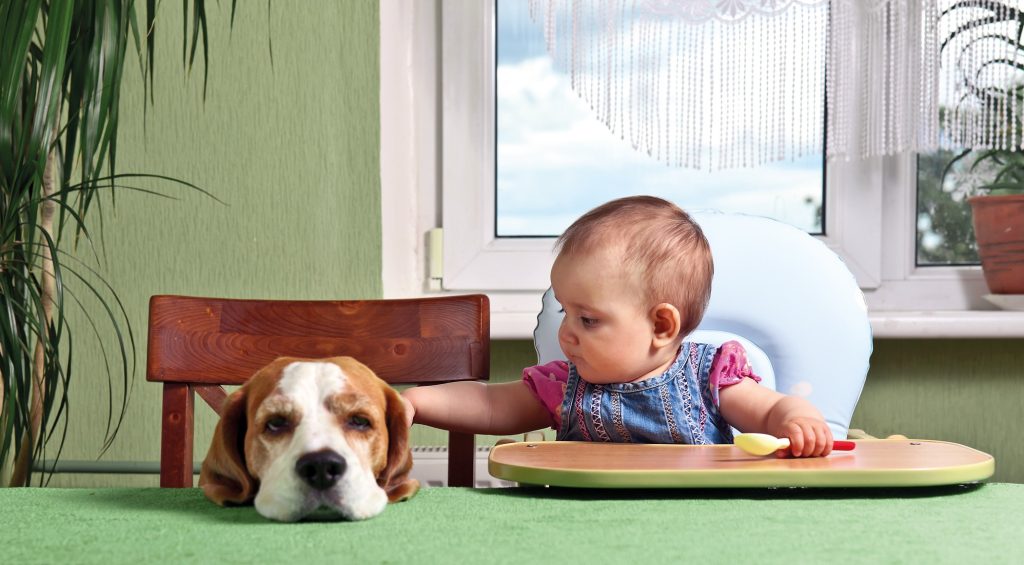
Ultimately, as families in Nigeria consider adding a pet to their home, the myriad benefits outlined should be a significant factor in their decision. Engaging in this exploration not only enriches children’s lives but also strengthens the foundational values of compassion and responsibility that will shape their futures.
SEE ALSO: Click here to read another article
Enhancing Emotional and Psychological Well-Being
One of the most significant benefits pets provide to children is the enhancement of their emotional and psychological well-being. Pets have an innate ability to sense and respond to human emotions, which means that children often find in them a source of comfort and companionship during times of stress. In a country like Nigeria, where societal pressures can be considerable, the presence of a pet can help create a supportive environment that encourages emotional expression and resilience.
Studies have shown that children who regularly interact with pets experience reduced levels of anxiety and depression. The act of petting a dog or nurturing a cat can release endorphins, which are hormones responsible for feelings of happiness and contentment. This simple act can significantly soothe children who may feel overwhelmed by daily experiences, especially in an increasingly fast-paced urban setting.
Moreover, the bond that forms between children and their pets tends to foster a strong sense of trust and loyalty. This relationship can teach children the value of attachment and affection, crucial elements in emotional development. Children learn to express their feelings not only towards their pets but also towards their own family members, enhancing their emotional vocabulary and ability to articulate thoughts and feelings. Children living in urban centers like Lagos, where social interactions can sometimes feel impersonal, can greatly benefit from the deeper emotional connections that pets foster.
Teaching Responsibility and Routine
In addition to emotional support, pets provide an excellent avenue for teaching responsibility and routine to children. When a child is entrusted with the care of a pet, they learn important life skills such as feeding, grooming, and training. This responsibility is especially crucial in preparing them for adult life, where self-sufficiency and accountability are paramount.
- Feeding and Care: Pets require daily food, water, and care. Children participate in these activities, understanding the commitment involved in pet ownership.
- Exercise and Play: Responsibilities such as walking the dog or playing with pets instill a sense of routine and can promote physical activity among kids.
- Hygiene Practices: Learning about pet cleanliness also teaches children the importance of hygiene, which they can apply to their own personal care.
The beneficial outcomes extend beyond the individual child; they also enrich family dynamics. In a Nigerian context, where family values and support systems are integral to social cohesion, having a pet can bring family members together through shared activities, such as walking a dog or caring for a pet, ultimately strengthening familial bonds.
As more Nigerian families consider integrating pets into their homes, it is essential to recognize the multifaceted benefits that contribute not just to child health but also to the overall well-being of the family unit. With these partnerships in mind, choosing the right pet becomes not just a matter of preference but a pivotal decision that can shape the child’s growth and development positively.
| Category | Advantages |
|---|---|
| Emotional Support | Pets provide unconditional love, aiding in emotional stability and reducing anxiety in children. |
| Social Skills Development | Interacting with pets encourages communication and empathy, enhancing social interaction skills. |
| Physical Activity | Playing with pets results in increased physical activity, promoting a healthy lifestyle and combating obesity. |
| Routine and Responsibility | Caring for pets teaches children about responsibility and helps them develop a routine. |
Exploring the relationship between pets and children uncovers multifaceted benefits that extend beyond mere companionship. The emotional support derived from sharing a bond with pets can significantly ease the challenges of childhood. This relationship fosters an environment where children can thrive emotionally, learning valuable lessons in love and compassion. Such bonds also enhance social skills; children learn to express emotions and relate to others through these interactions, laying the groundwork for strong relationships in the future. Moreover, the joy of engaging with pets creates a fun avenue for physical activity, essential for maintaining a healthy weight. Walking, playing, and caring for pets can naturally integrate exercise into children’s daily lives. Additionally, managing the needs of a pet instills a sense of responsibility and routine in children, which is critical for their developmental journey. The implications of these interactions are not merely anecdotal; studies suggest a profound impact of pet ownership on emotional and physical well-being, making it a topic worth delving further into.
CHECK OUT: Click here to explore more
Encouraging Social Skills and Empathy
Pets not only enhance emotional stability and responsibility but also play a critical role in encouraging social skills and empathy in children. As children interact with their pets, they learn to recognize and respond to the needs and emotions of another living being. This interaction fosters a deeper understanding of emotional reciprocity, where children understand that their feelings can affect others and, conversely, that the feelings of others can affect them.
For instance, children who care for pets often engage in activities such as feeding, playing, and grooming, which require empathy and attentiveness. In a bustling city like Abuja, where many children have busy lives filled with school and extracurricular activities, taking time to attend to a pet’s needs teaches the importance of mindfulness and consideration for others. Studies indicate that kids who interact regularly with pets are more likely to develop heightened emotional intelligence, a skill that is invaluable as they navigate various social contexts throughout their lives.
Moreover, pets often serve as a bridge for children to connect with their peers. Shared interest in animals can facilitate conversations and friendships among children, creating a community where they can bond over their experiences and express their feelings about pet ownership. This social interaction is particularly necessary in a diverse social landscape such as Nigeria, where children come from various backgrounds and cultures. Encouraging children to engage with each other during pet-related activities promotes inclusivity and understanding, fundamental elements of a harmonious society.
Physical Activity and Health Benefits
Another notable advantage of having pets is the significant physical activity and health benefits associated with pet ownership. Pets, especially dogs, necessitate regular exercise, which can naturally encourage children to participate in more physical activities. In Nigerian cities where outdoor spaces may be limited, dog-walking or engaging in play with pets in available parks helps combat sedentary lifestyles that can lead to obesity and related diseases. Families can establish routines that incorporate walks or playtime with their pets, positively impacting children’s fitness levels.
- Active Lifestyle: Engaging with pets encourages children to run, jump, and play, integrating physical exercise into their daily routines.
- Lower Health Risks: Regular physical activity mitigates risks associated with obesity, cardiovascular diseases, and diabetes—a growing concern among children globally.
- Boosting Immune System: Exposure to pets has been linked to stronger immune systems; children raised with pets tend to experience fewer allergies and respiratory issues during their formative years.
Additionally, studies suggest that children who grow up with pets often develop more robust microbiomes, which can lead to better health outcomes. The interaction with pets introduces a variety of microbes that help strengthen children’s immune systems. In places like Nigeria, where health challenges can arise from environmental factors, owning pets may naturally bolster a child’s defenses against common illnesses.
As we delve deeper into the intricate bond between children and pets, it becomes abundantly clear that this relationship transcends the mere companionship of an animal. It has profound implications on various facets of a child’s life, from social interactions to physical health. With a growing awareness of these benefits, Nigerian families are increasingly embracing the idea of welcoming pets into their households, bearing witness to the transformative power that animals can have on a child’s development and overall well-being.
CHECK OUT: Click here to explore more
Conclusion
The multifaceted relationship between children and pets is an integral component of childhood development that deserves significant attention. From fostering emotional intelligence and compassion to encouraging physical activity and health benefits, pets serve as unique catalysts for growth in children. The regular interaction with pets not only helps children develop fundamental social skills but also instills a sense of responsibility that is essential in today’s fast-paced world. Particularly in vibrant and diverse societies like Nigeria, where various cultural backgrounds converge, the commonality of pet ownership can promote inclusivity and understanding among children, breaking down social barriers.
Moreover, the health benefits associated with pet ownership cannot be overstated. As children engage in active play with their pets, they combat the risk of sedentary lifestyles, while also enhancing their immune systems through exposure to beneficial microbes. The evidence suggests that families who embrace pet ownership may not only nurture happier and more socially adept children but also healthier ones. As parents and caregivers recognize these profound benefits, more Nigerian families may be inspired to provide a loving home for pets, ultimately leading to a generation of children who are more connected, empathetic, and physically active.
In conclusion, the incorporation of pets into family life extends beyond companionship; it is a path to enriching children’s development in nuanced and impactful ways. With the rising awareness of these benefits, it becomes imperative for families and community leaders to advocate for responsible pet ownership, ensuring that both children and animals thrive together in harmony.
Related posts:
How Pet Companionship Boosts Childrens Physical Health
The Effects of Interaction with Horses on Mental and Emotional Health
The Positive Effects of Pet Companionship on the Mental Health of Nigerians
The Positive Effects of Having Birds as Pets on Emotional Health
The Benefits of Having a Dog for Mental Health: How Canine Companionship Can Reduce Anxiety
How the presence of pets can reduce stress and anxiety in Nigerian homes

Linda Carter is a writer and pet care expert specializing in pet health, grooming, and wellness. With extensive experience helping pet owners create safe, loving, and enriching environments for their animals, Linda shares her knowledge on our platform. Her goal is to empower readers with practical advice and strategies to ensure their pets thrive and lead joyful, healthy lives.