Agility Training Techniques: Preparing Your Pet for Sports Competitions
Agility Training: A Gateway to Strengthened Bonds
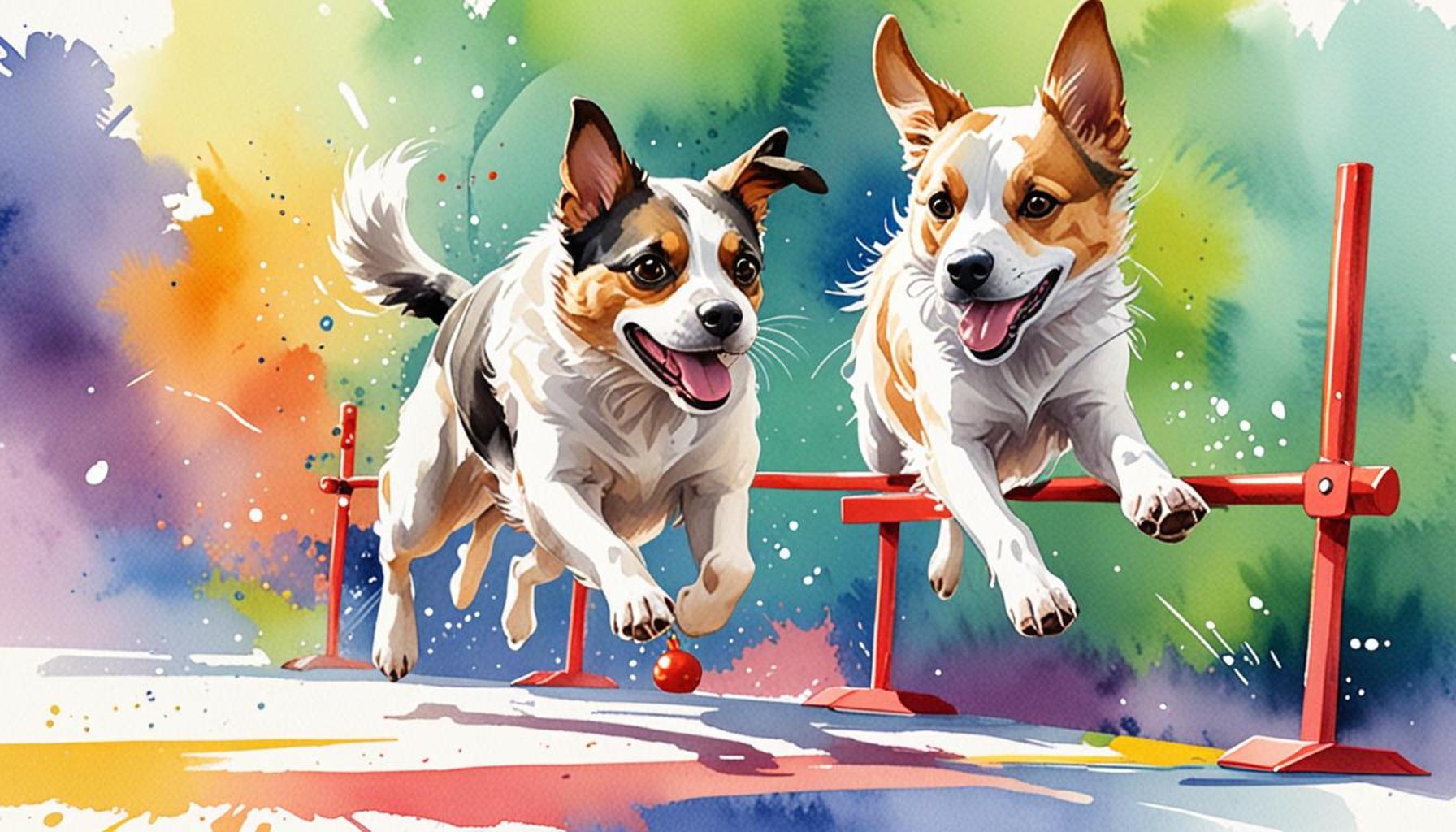
Agility training is a thrilling and rewarding activity that not only boosts your canine companion’s capabilities but also deepens the relationship you share. In Nigeria, as dog sports gain momentum, owners are increasingly turning to agility training as a fun and effective way to challenge their dogs both physically and mentally. Beyond mere competition, this practice fosters teamwork, discipline, and trust.
One of the most essential components of agility training is obstacle navigation. This technique involves guiding your dog through a series of physical challenges, such as weaving between cones, jumping over hurdles, or crawling through tunnels. In Nigeria, it’s easy to set up a mini obstacle course in your backyard or local park with affordable materials found in the marketplace. Engaging in such exercises helps your pet develop not just agility but also coordination and confidence. Imagine the joy of watching your dog dart through a DIY tunnel made from colorful fabric or deftly maneuvering around cones crafted from plastic bottles – the laughter and excitement are boundless!
Another vital aspect of training is focus drills. These exercises are designed to sharpen your dog’s concentration and responsiveness to commands. Simple techniques, such as practicing commands in a distracting environment or employing treats as incentives, can significantly improve your dog’s ability to stay focused. For instance, when participating in local competitions, your dog’s ability to stay attentive, despite the noise and excitement from onlookers, could make all the difference.
Speed training is yet another critical area to concentrate on. This involves creating a conditioning regimen that enhances your pet’s stamina and speed as they navigate the course. Engaging in regular running sessions, adding interval training, or incorporating playful races with fellow dogs can help maintain their enthusiasm and energy levels high. In Nigeria, where the sun’s heat is prominent, it’s important to schedule these activities during cooler times of the day, ensuring your furry companion remains healthy and hydrated.
The emergence of agility competitions in Nigeria presents fantastic opportunities to showcase your dog’s skills. These competitions not only serve as a platform to exhibit the hard work you both have put in but also help to cultivate a supportive community of fellow dog lovers. Cheering on fellow participants and sharing tips can enhance your skills while building lasting friendships. Engaging with local trainers and attending workshops can also provide insights into the latest agility techniques favored in the region.
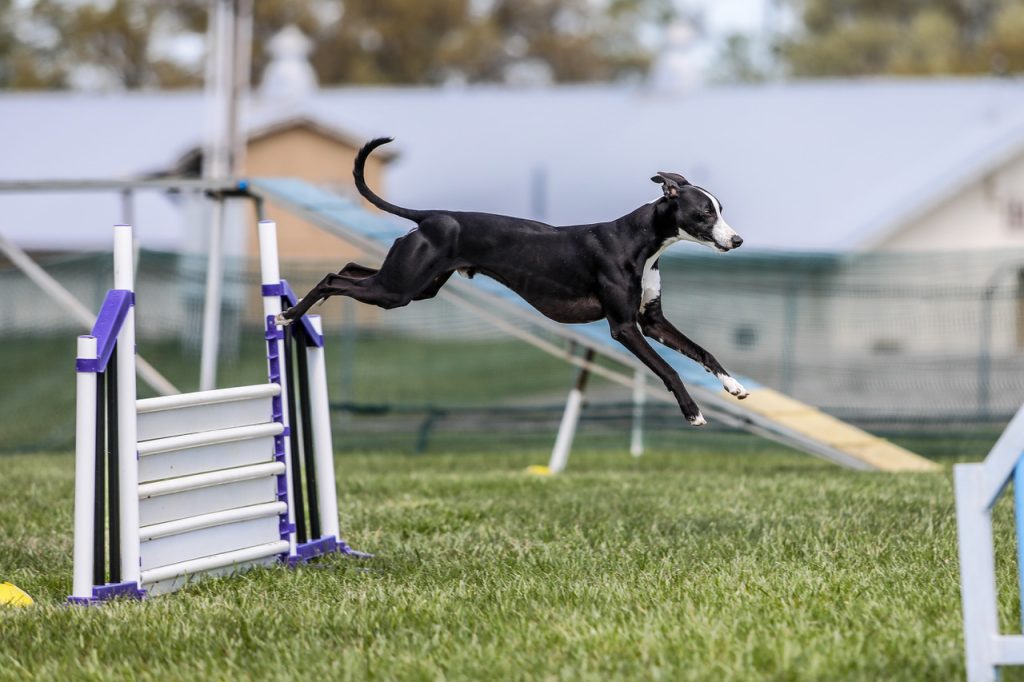
As you embark on this thrilling journey of agility training, it’s crucial to consider your pet’s unique personality and energy levels. Tailoring your approach to suit individual needs will result in a more enjoyable experience for both you and your pup. With dedication and creativity, you’ll embark on an exciting adventure filled with learning and fun that will undoubtedly bring you closer to your dog as you navigate challenges and celebrate successes together.
ADDITIONAL INSIGHTS: Expand your understanding here
Navigating the Essentials of Agility Training
As you embark on the exhilarating journey of agility training with your pet, understanding the fundamental techniques is key to fostering a successful and enjoyable experience. In Nigeria, where the love for sports and competition is burgeoning, mastering these essential techniques can put you and your furry friend on the path to success in agility competitions.
Obstacles: Building Confidence and Skill
At the heart of any agility training program are the obstacle elements. These obstacles not only test your dog’s physical abilities but also provide a fantastic opportunity for them to build confidence. Common obstacles include:
- Jumps: Using simple materials like wood planks or PVC pipes, you can create various heights for your dog to jump over, enhancing their leaping prowess.
- Weave poles: Set up a series of poles (these could be borrowed from a local market or other competitors) to help your dog develop agility as they twist and turn.
- Tunnels: A simple fabric tunnel can transform any training space into a thrilling obstacle, encouraging your dog to sprint and navigate through confined spaces.
- Contact obstacles: Incorporating elevated platforms or ramps will teach your dog to establish steadiness while climbing up and down, a vital skill for competitions.
By providing consistent practice with these obstacles, your dog will not only improve their physical capabilities but also learn to trust your guidance as a handler. As they navigate these challenges, be sure to celebrate their achievements, no matter how small, reinforcing their confidence and willingness to learn.
Incorporating Fun with Focus Games
While agility training emphasizes physical attributes, the importance of mental stimulation cannot be overstated. Incorporating focus games into your training routine enhances your dog’s ability to concentrate amidst distractions. Here are some engaging focus drills to try:
- Hide and Seek: Have a family member hide while you command your dog to stay. Once the person is hidden, use a recall command to see if your dog can locate them. This not only sharpens focus but also strengthens your dog’s connection with you and your family.
- Target Training: Teach your dog to touch a target (like your hand or a stick) using positive reinforcement. This method is effective for gaining attention and can translate into better performance in agility courses.
- Obstacle Recall: Have your dog navigate an obstacle course with the added challenge of calling them back to you at various points, enhancing their attentiveness.
The key objective of these focus games is to prepare your dog to maintain their composure and stay engaged during the chaos of competition. With distractions from crowds, noises, and other competitors, the ability to focus will be their most valuable trait in achieving agility success.
Agility training is not merely about learning to navigate obstacles; it is a holistic approach that combines physical agility with mental stimulation. By understanding these techniques and incorporating them into your routine, you not only prepare your pet for competitions but also strengthen the bond between you and your beloved companion.
| Training Benefits | Training Techniques |
|---|---|
| Enhances Physical Fitness | Utilizing obstacle courses to develop strength and agility |
| Improves Mental Stimulation | Incorporating problem-solving tasks for focused training sessions |
| Strengthens Human-Animal Bond | Engaging in team activities that promote trust and cooperation |
| Paves the Way for Competition Success | Training with peers to simulate competition environments |
Agility training offers a myriad of benefits for pet owners looking to prepare their furry friends for sports competitions. With enhanced physical fitness, dogs can improve their speed, strength, and overall health, making them more competitive. Additionally, these techniques offer extraordinary mental stimulation; solving agility challenges helps to keep their minds sharp and engaged.One of the most significant advantages is the strengthening of the bond between pet and owner. Engaging in agility training together fosters trust and collaboration, essential for any successful sports partnership. Lastly, exposure to training scenarios that mimic actual competition circumstances is invaluable in preparing your pet for the thrill and excitement of agility events.Exploring advanced techniques, incorporating varied obstacle courses, and practicing consistent routines can enhance performance and enjoyment for both pet and owner. Delving deeper into agility training not only bolsters physical and cognitive skills but also creates lasting memories, making it an enriching experience to share.
ADDITIONAL INSIGHTS: Expand your understanding here
Strengthening the Bond Through Consistency and Communication
In the world of agility training, a strong handler-dog partnership is vital for achieving success in sports competitions. Establishing open lines of communication and exercising consistent training methods ensures that your dog is not only physically prepared but also mentally geared up for the challenges ahead. With these strategies, you can further enhance your pet’s performance and relationship.
Implementing Positive Reinforcement
One of the most crucial elements in agility training is the use of positive reinforcement. This approach thrives on rewarding your dog for their efforts, regardless of whether they perfect a jump or weave pole. Using treats, praise, or even playtime as incentives creates a positive environment that fosters enthusiasm and eagerness to learn. In Nigeria, where traditional training methods might sometimes emphasize correction, shifting focus to encouragement can drastically improve your dog’s receptiveness to training.
Consider establishing a reward system that suits your dog’s preference. Some might respond best to a tasty treat, while others might thrive on a game of fetch. Experimenting with different rewards during training sessions will help you understand what motivates your dog the most effectively.
Practicing Consistency in Commands
Consistency is another critical component in agility training. Dogs learn best when they understand what is expected of them. Ensure that the commands you use are clear and consistent across all training sessions. For example, if you decide to use “jump” to instruct your dog to leap over an obstacle, stick to that command rather than switching between “leap” or “over.” This clarity will help your pet respond more reliably, particularly under the pressures of a live competition.
Try incorporating local languages or dialects in your commands if your dog is accustomed to your everyday speech. Using familiar phrases may boost their confidence and responsiveness, especially if you often train in a noisy, crowded environment—something common in Nigerian settings.
The Role of Socialization in Training
Another key aspect to consider as you prepare for agility competitions is socialization. Exposing your dog to various environments, smells, sounds, and people will help build their resilience and adaptability. Arrange practice sessions in different locations, such as parks or local training facilities. Interactions with other dogs, people, and potential distractions, such as children playing or vendors calling, will create a more well-rounded training experience.
You may also want to participate in local agility clubs or communities where you can practice alongside other handlers. This social aspect not only offers you mutual encouragement but also challenges your dog to focus amidst the excitement of their peers. In Nigeria, communities are vital for building camaraderie, and utilizing these spaces can significantly enhance your dog’s adaptability.
Building Endurance and Strength
Agility training is quite rigorous, so ensuring that your dog possesses adequate physical fitness is paramount. To maintain their energy and stamina, introduce endurance-building exercises into your routine. Activities such as long walks, runs, or playing fetch can help lay a solid foundation before delving deeply into the specific agility tasks.
Additionally, incorporating strength-building exercises, such as hill workouts or balance training on different surfaces, can enhance your dog’s overall agility performance. Use natural terrains available around you, such as the hilly parts of Nigeria or sandy areas, to further engage their physical capabilities in a fun manner.
By investing time into these facets of agility training, you will not only equip your dog for competition but also nurture a rewarding, lasting bond built on trust, communication, and mutual respect.
SEE ALSO: Click here to read another article
Conclusion: The Path to Agility Success
In conclusion, agility training techniques serve as the foundation for not only enhancing your pet’s skills but also fostering a deeper connection between you and your furry companion. Through consistent communication, positive reinforcement, and adaptability, you can prepare your dog for the exhilarating world of sports competitions. As discussed, incorporating elements such as endurance and strength training, combined with socialization, plays a crucial role in ensuring your dog is both mentally and physically fit for the challenges they will face in an agility course.
Moreover, the vibrant agility community in Nigeria offers a wealth of resources and camaraderie that can further enrich the training experience. Engaging with local clubs and fellow handlers provides not just a support network but also valuable exposure to different environments, enhancing your dog’s ability to perform under pressure. As you embark on this journey, remember that every practice session is an opportunity to build trust and understanding with your pet, turning training into a shared adventure.
Embrace the journey of agility training with patience and enthusiasm, recognizing that the skills developed will not only contribute to your pet’s performance but also to a fulfilling partnership based on mutual respect and joy. With dedication and the right techniques at your disposal, you’ll pave the way for your pet to shine in competitions, making lasting memories along the way.
Related posts:
Training Techniques for Therapy Dogs: Preparing Your Pet to Comfort and Assist
Basic Commands Training: Effective Methods for Pet Owners
Advanced Obedience Training Techniques: Raising Your Animal's Skill Level
Training Techniques for Assistance Dogs: Preparing Your Pet to Help
Effective Clicker Training Techniques for Dogs
Training Techniques for Cats: Effective Strategies to Educate Them at Home

Linda Carter is a writer and pet care expert specializing in pet health, grooming, and wellness. With extensive experience helping pet owners create safe, loving, and enriching environments for their animals, Linda shares her knowledge on our platform. Her goal is to empower readers with practical advice and strategies to ensure their pets thrive and lead joyful, healthy lives.