Training Techniques for Assistance Dogs: Preparing Your Pet to Help
Understanding Assistance Dogs
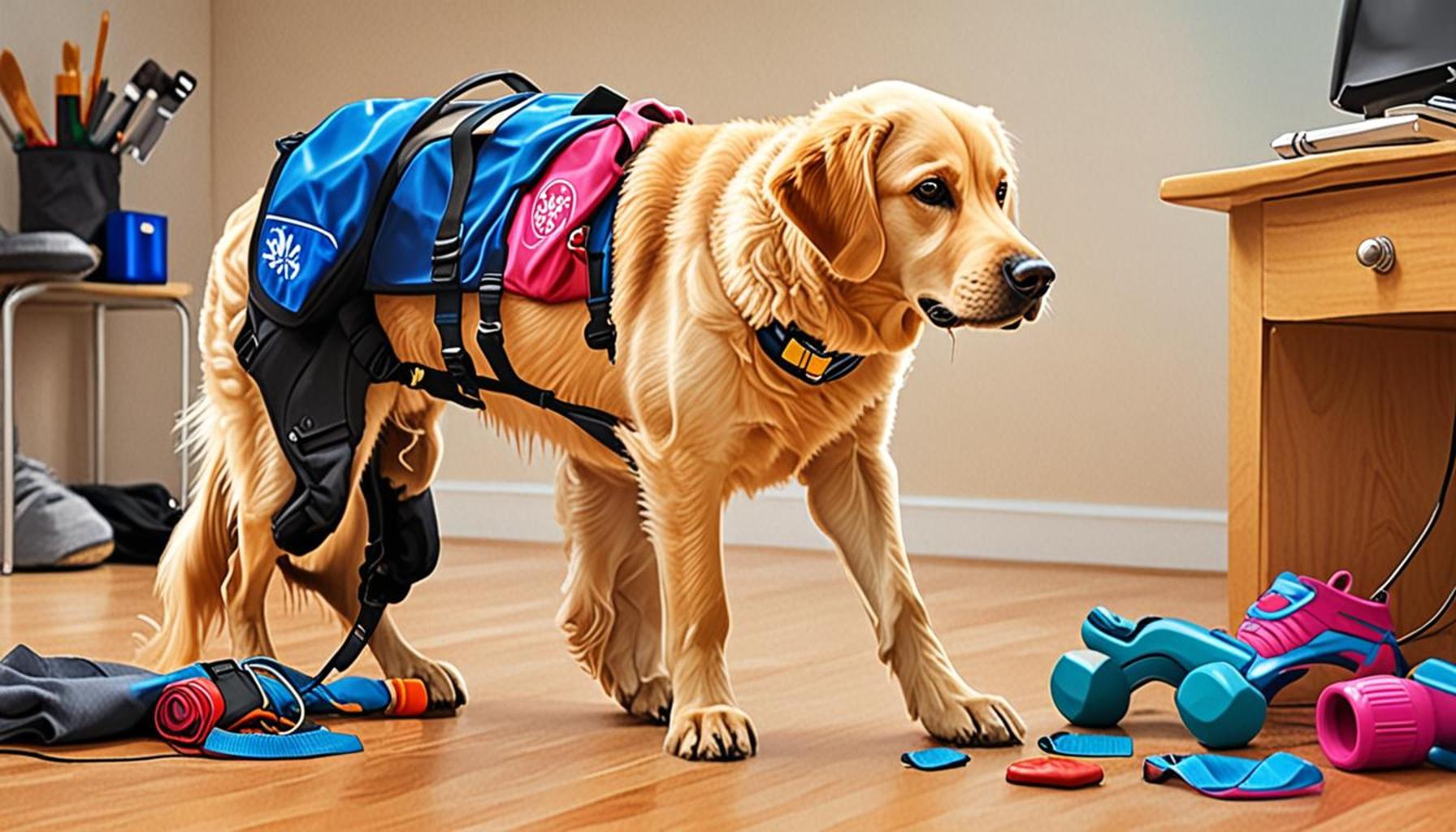
Assistance dogs serve as invaluable allies to individuals grappling with various disabilities. Beyond simply offering companionship, these specially trained canines are equipped to undertake specific tasks that greatly enhance the independence and quality of life for their human partners. In Nigeria, where healthcare support can sometimes be limited, the role of assistance dogs becomes even more pivotal.
Why Training is Essential
Training a dog to become an effective assistance animal is no small feat; it requires skill, dedication, and a deep understanding of canine behavior. Effective training techniques are crucial in preparing your pet to perform necessary tasks. Consider the following benefits:
- Enhances Communication: A well-trained assistance dog helps establish a strong bond between the dog and handler, facilitating non-verbal communication. This connection can significantly improve the handler’s confidence in their abilities.
- Improves Task Execution: From retrieving dropped items to guiding visually impaired individuals, a trained dog can execute specific tasks reliably. This specialized training not only empowers the handler but also fosters a sense of normalcy in their daily activities.
- Boosts Safety: Trained dogs play a crucial role in preventing accidents. For example, a service dog can help a person with epilepsy by alerting them before a seizure or assisting with balance for an individual with mobility impairments, enhancing overall safety and security.
Key Training Techniques
The journey of training an assistance dog requires unwavering commitment and patience. Various techniques can be utilized to ensure that these dogs become reliable helpers. Among these are:
- Positive Reinforcement: This technique involves rewarding desirable behaviors through treats, praise, or play. Positive reinforcement not only accelerates learning but also fosters a loving relationship between human and dog.
- Socialization: Exposing your dog to diverse environments—be it bustling markets, noisy streets, or quiet parks—ensures they adapt comfortably to different scenarios. This is particularly important in Nigeria’s vibrant and often chaotic atmosphere, where stimulus-rich environments can be overwhelming.
- Task-Specific Training: Tailoring training sessions to focus on unique assistance tasks is essential. For instance, training a dog to identify specific scents can be particularly beneficial for individuals with sensory processing issues or those needing emotional support.
As you delve into the intricacies of training, remember: you’re not just preparing a pet, but a trusted partner equipped to empower others. Many assistance dogs in Nigeria have become symbols of hope and resilience, playing a crucial role in transforming lives. Embrace this journey, and you’ll uncover the transformative power of an assistance dog, learning not only the techniques required but also the emotional bonds that develop in the process.
RECOMMENDED: Check out this similar article
Effective Dog Training Techniques to Empower Your Assistance Partner
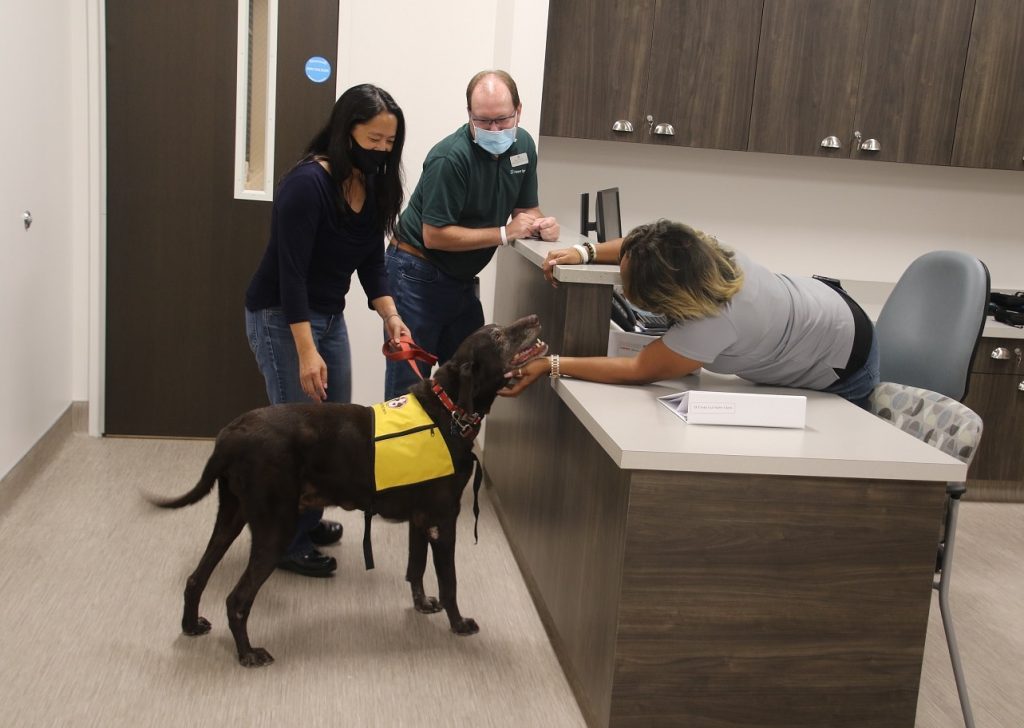
Training an assistance dog transcends mere obedience; it is an intricate process that shapes a dog’s ability to support its handler in profound ways. Harnessing the right techniques can lead to a well-adjusted, reliable canine capable of aiding with daily living tasks. In the context of Nigeria, where accessibility challenges persist, investing in effective training techniques not only enhances the lives of individuals with disabilities but also solidifies the dog-human bond.
Positive Reinforcement: Building Trust and Cooperation
Positive reinforcement is one of the most established and effective methods for training assistance dogs. This technique focuses on rewarding desired behaviors rather than punishing undesired ones. In practice, when a dog successfully completes a task—such as retrieving an item or responding to a command—it is immediately rewarded with treats, praise, or playtime. This approach not only accelerates learning but also cultivates a sense of trust and cooperation between the handler and the dog.
Using positive reinforcement can be particularly beneficial in training sessions conducted in Nigeria, where distractions might be abundant. By continuously rewarding your dog for staying focused in bustling markets or busy streets, you enhance their ability to remain calm and responsive in different environments. For those interested in starting this training technique, consider utilizing treats that your dog loves, ensuring the rewards are immediate for the most effective results.
Socialization: Adapting to Diverse Environments
In a nation as vibrant as Nigeria, socialization is key to preparing an assistance dog to navigate everyday life. A well-socialized dog should not only be comfortable around people but also adapt to different atmospheres. This includes getting acquainted with various sounds, sights, and smells that characterize Nigerian life—from market hustle to street traffic, and even ceremonies or community events.
- Start Small: Begin by exposing your dog to quieter environments before gradually introducing them to bustling scenes. This incremental approach minimizes anxiety and builds confidence.
- Introduce New People: Regularly invite friends, family, and even strangers to interact with your dog, fostering a sense of sociability and responsibility.
- Visit Different Locations: Make trips to parks, shopping centers, and community fairs to allow your dog to experience the variety of stimuli they will encounter in their role as an assistance dog.
Task-Specific Training: Building Skills for Independence
One of the most critical elements of training an assistance dog involves task-specific training. This focuses on teaching dogs to perform particular functions that correspond to their handler’s needs. For instance, a dog can be trained to help individuals with mobility challenges by retrieving items and providing stability during walks. Alternatively, emotional support dogs can be taught to recognize signs of distress and offer comfort through specific tasks.
Focusing training on the tasks your dog must accomplish not only improves their skills but also ensures that the dog is prepared for real-life situations. Consider working with a professional trainer who specializes in assistance dog training, especially for intricate tasks, which can be life-changing for individuals relying on them. Using visual aids and commands specific to each task can significantly enhance your dog’s response.
As you embark on this enriching journey of training an assistance dog, remember that the effort you invest translates into a well-rounded helper who can profoundly impact your life or the life of someone in need. Through these holistic training techniques, you foster not only a capable companion but also a soul that brings joy and resilience to everyday challenges.
| Training Technique | Benefits |
|---|---|
| Positive Reinforcement | Encourages desired behaviors through rewards, leading to a more motivated and confident dog. |
| Socialization Training | Helps the dog adapt to various environments and situations, minimizing anxiety and enhancing their performance. |
| Obedience Commands | Establishes a solid foundation of control, allowing the handler to communicate effectively with their assistance dog. |
| Task-Specific Training | Equips the dog with essential skills tailored to assist individuals with specific disabilities or needs, ensuring a higher quality of support. |
Incorporating these training techniques into your dog training regimen can significantly enhance the effectiveness of your assistance dog. Utilizing positive reinforcement fosters a bond of trust and encourages your pet to engage eagerly in their training. Moreover, socialization training is crucial for acclimatizing your dog to a variety of settings, reducing fears, and ensuring they remain calm in stressful situations. The implementation of obedience commands not only commands respect but also enhances communication between you and your pet, thereby creating a symbiotic relationship built on understanding and cooperation. Lastly, integrating task-specific training ensures that your assistance dog is prepared to tackle the unique challenges that may arise in daily life, tailoring their skills to meet your exact needs. These comprehensive strategies not only prepare your pet but also instill confidence, making them an invaluable partner in your daily activities.
CHECK OUT: Click here to explore more
Nurturing Emotional Intelligence: The Heart of Assistance Dog Training
While task-specific skills are essential for assistance dogs, emotional intelligence is a crucial aspect that often goes unnoticed. An assistance dog must be able to recognize and respond to their handler’s emotional states, enabling them to provide appropriate support when needed. This dimension of training focuses on fostering a deep bond that allows for a mutual understanding between the dog and handler.
To cultivate emotional intelligence in assistance dogs, consider incorporating the following techniques into your training regimen:
- Interactive Play: Engage in activities that bolster your dog’s awareness of human emotions, such as fetch or tug-of-war. These playful interactions allow the dog to read body language and vocal tones, which are vital in understanding human emotions.
- Desensitization to Stress: Gradually expose your dog to scenarios that might induce stress for you. This can include crowd exposure or loud noises, presenting an opportunity for them to learn how to provide comfort during your anxious moments.
- Positive Feedback During Emotional Moments: Reward your dog when they approach you during times of distress or when they display calming behaviors. This reinforces their instinct to be supportive and helps build their confidence in offering assistance.
Consistent Command Training: Clarity and Communication
Clarity in commands is fundamental for an assistance dog to perform efficiently. Consistent command training entails using distinct, simple verbal cues and hand signals to ensure the dog understands what is expected of them. This method not only fosters reliable communication but also helps reduce confusion during complex tasks.
Implementing a structured system for commands, particularly in a diverse linguistic landscape like Nigeria, can enhance training effectiveness. Standardizing commands that are easy to articulate in both English and local dialects may help in instructing your dog. For example, using a universal command such as “sit” may be paired with a local dialect equivalent, allowing you to maintain consistency while respecting cultural nuances.
Patience and Adaptability: Key Attributes for Both Handler and Dog
Training an assistance dog requires immense patience and adaptability, qualities that are indispensable for success. Each dog is unique, with their own pace of learning. While one dog may grasp commands quickly, another may take more time, and that’s perfectly normal. Emphasizing a patient approach not only highlights your commitment to the training process but also teaches the dog resilience and perseverance.
Moreover, being adaptable in your training techniques—considering weather conditions, personal health, or environmental distractions—ensures a more effective learning experience. For instance, if training outdoors in Nigeria during the rainy season becomes cumbersome, transitioning to indoor training sessions focused on obedience or new tricks can maintain momentum without the pressure of the elements.
Finalizing Training with Real-World Simulations
To solidify the skills learned, real-world simulations play a pivotal role in the training journey of an assistance dog. These simulations allow your dog to apply their skills in practical settings, resembling the routines they will encounter with their handler. Whether it’s navigating crowded public transport, accompanying you on a shopping trip, or even participating in local events, exposure to real-world scenarios ensures that your dog is not only trained but also capable of handling the nuances of daily life.
Consider organizing community training days where other assistance dogs and their handlers gather to practice together. Such events provide opportunities for both dogs and handlers to learn from one another while building a supportive network within the community.
By employing these multifaceted training techniques—emphasizing emotional intelligence, clear communication, patience, and real-world applications—you can prepare your pet to truly excel as an assistance dog, ready to assist and enhance the lives of those in need.
YOU MAY ALSO LIKE: Read read another article
Conclusion: Transforming Pets into Lifelong Allies
In the journey of training assistance dogs, the blend of emotional intelligence, clear communication, and hands-on experience creates a profound impact on both the dog and the handler. By understanding the significance of these training techniques, pet owners can unlock the potential of their furry companions, transforming them into invaluable allies.
As you embrace the process of nurturing emotional intelligence, cultivate a strong bond that ensures your dog perceives and responds to your needs. Incorporating play, stress desensitization, and positive reinforcement not only helps in developing their innate abilities but also enriches the relationship between you and your pet. Meanwhile, establishing a consistent command language tailored to Nigeria’s linguistic landscape enhances communication, allowing for seamless interactions in various scenarios.
Moreover, patience and adaptability stand as cornerstones in this training process. Every dog possesses individual learning curves, and recognizing this will foster an environment of growth and resilience. Simultaneously, real-world simulations provide practical applications that prepare your assistance dog for everyday challenges, bridging the gap between training and real-life situations.
In conclusion, the techniques outlined in this article serve as a roadmap to successfully train assistance dogs. As you take each step with your pet, remember that your commitment and dedication not only change their lives but can significantly enhance your own. Explore these training strategies further, connect with local communities, and witness how your pet can become a transformative figure in both your lives, truly prepared to help and support in their unique way.
Related posts:
Positive Reinforcement Techniques for Dog Training Build Trust
Pet Training: How to Teach Useful Skills for Daily Life
Advanced Obedience Training Techniques: Raising Your Animal's Skill Level
Positive Training Techniques for Dogs: Building a Strong Bond with Your Pet
Positive Reinforcement Methods for Feline Behavior Modification
Training Techniques for Cats: Effective Strategies to Educate Them at Home

Linda Carter is a writer and pet care expert specializing in pet health, grooming, and wellness. With extensive experience helping pet owners create safe, loving, and enriching environments for their animals, Linda shares her knowledge on our platform. Her goal is to empower readers with practical advice and strategies to ensure their pets thrive and lead joyful, healthy lives.