Pet Reptile Species and Their Specific Needs in the Nigerian Context
Understanding Reptile Care in Nigeria
Interest in reptiles as pets in Nigeria has surged in recent years, captivating enthusiasts with their unique behaviors and care requirements. While these creatures can be fascinating companions, prospective owners must grasp the specific needs of various reptile species to ensure their well-being and longevity. This enhances not only the owner’s experience but also contributes to responsible pet ownership.
Habitat Requirements
The habitat setup is fundamental for reptile health. Each species needs a carefully curated environment that simulates its natural habitat. For instance, Bearded Dragons require a spacious enclosure with a basking area that reaches temperatures of 35-40°C, combined with cooler zones that maintain around 22-26°C. Proper lighting, including UVB bulbs, is essential to promote calcium absorption and prevent metabolic bone disease.
Leopard Geckos, on the other hand, thrive in more arid settings, so their tanks should include hides, a sandy substrate, and a temperature gradient to allow for thermoregulation. Understanding these habitat nuances is crucial for any potential reptile owner, as a comfortable environment ensures a thriving pet.
Dietary Needs
When it comes to diet, reptiles have vastly different requirements. For example, Bearded Dragons are omnivores that require a diet rich in both high-quality insects like crickets and mealworms and leafy greens such as collard greens and dandelion greens. On the contrary, Leopard Geckos are primarily insectivorous and thrive on a diet of live insects, supplemented by calcium and vitamin powders for optimal health.
Ball Pythons, widely popular among Nigerian reptile enthusiasts for their docile nature, predominantly eat rodents. Owners need to ensure these snakes are fed appropriately sized prey to avoid health issues. Understanding the dietary needs of each species is essential as it directly influences their health, energy levels, and overall well-being.
Health Considerations
Regular health checks and prevention strategies are vital components of reptile care. Reptiles are often susceptible to a range of illnesses, including respiratory infections and parasites. Establishing a relationship with a veterinarian who specializes in reptiles can facilitate early detection and treatment of health issues. Additionally, maintaining good hygiene practices, such as regular tank cleaning and proper food storage, can drastically reduce the risk of diseases.
Climate Considerations in Nigeria
Nigeria’s climate plays a significant role in keeping reptiles healthy. While many reptiles thrive in the warm, humid conditions that Nigeria offers, some may require additional climate control. For instance, during the hotter months, providing adequate shade and hydration is crucial to prevent overheating. Conversely, during the rainy season, ensuring that housing does not become excessively damp can help mitigate risks associated with fungal infections.
Popular Species in Nigeria
Among the most sought-after reptiles in Nigeria are the Bearded Dragon, the Leopard Gecko, and the Ball Python, each possessing unique charms. The Bearded Dragon’s friendly demeanor makes it a favorite for families, while the Leopard Gecko’s manageable size and low-maintenance requirements appeal to novice reptile owners. Additionally, the Ball Python, recognized for its striking appearance and gentle nature, has become a staple in many households.
As interest in keeping reptiles as pets continues to grow, a thorough understanding of their specific requirements becomes increasingly essential. Whether it is providing the right habitat, diet, or health care, potential reptile keepers in Nigeria should take the time to research and prepare before bringing home these exotic companions. By doing so, they can create a fulfilling and responsible environment for their scaly friends, leading to years of mutual enjoyment.
SEE ALSO: Click here to read another article
Essential Insights into Pet Reptile Care in Nigeria
As the trend of adopting pet reptiles continues to grow in Nigeria, there is an increasing demand for comprehensive knowledge about the specific needs of these exotic animals. By understanding their unique requirements, prospective owners can foster an environment that not only maintains the health and happiness of their reptiles but also enhances the overall pet ownership experience.
Environmental Enrichment and Habitat Design
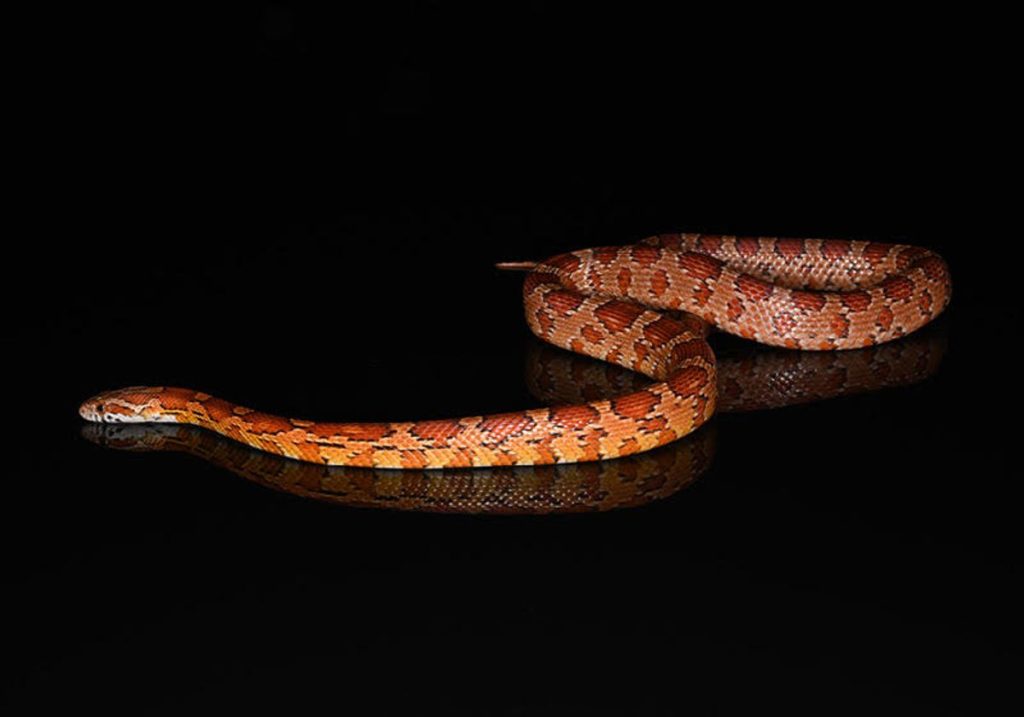
Creating an optimal habitat is crucial for any reptile. The environment must mimic the natural conditions of the chosen species. For example, while some reptiles like the Green Iguana require a large, multi-level enclosure with climbing branches and basking spots, others like the Corn Snake prefer a more straightforward setup with secure hiding spots and appropriate substrate. It is essential to conduct thorough research before selecting the right habitat.
Here are a few key considerations for habitat design:
- Size and Space: Ensure the enclosure is spacious enough for the reptile to move comfortably.
- Temperature Gradient: Create distinct warm and cool areas to facilitate thermoregulation.
- Humidity Levels: Different species have specific humidity needs; monitor the levels through hygrometers.
- Natural Elements: Incorporate rocks, plants, and hides to enrich the habitat and allow for natural behaviors.
The Importance of Specialized Lighting
In Nigeria, where sunlight is abundant, understanding lighting requirements can be a significant advantage for reptile owners. Many reptiles, including the popular Bearded Dragon, need specific lighting conditions to process vitamins effectively, primarily UVB light. Installing the appropriate bulbs is critical; these bulbs help synthesize Vitamin D3, which is essential for calcium metabolism.
Nutritional Diversity
Nutritional needs vary widely among different reptile species, and owners must pay close attention to these requirements. For instance, while the Bearded Dragon enjoys a diet consisting of insects and vegetables, the Tortoise species prefer a plant-based diet rich in fiber. Here’s a brief overview of dietary preferences:
- Bearded Dragons: Omnivores requiring a mix of insects (like crickets and mealworms) and vegetables.
- Leopard Geckos: Insectivorous, focusing primarily on live insects for sustenance.
- Green Iguanas: Herbivorous and should be fed a variety of leafy greens, avoiding high-fat foods.
Behavioral Training and Interaction
An often-overlooked aspect of reptile care is their behavioral needs. Reptiles, unlike traditional pets like dogs or cats, have different socialization requirements. While many can handle gentle interaction, excessive handling can cause stress. Reckoning their natural temperaments, such as the more docile nature of the Ball Python compared to the more temperamental nature of some lizards, can guide owners on how often to engage with their pets. Establishing a regular, gentle interaction routine can lead to a more trusting relationship.
In conclusion, navigating the complexities of pet reptile care in Nigeria requires dedication, informed decision-making, and awareness of specific species’ needs. Through continuous learning and tailored care practices, reptile enthusiasts can cultivate long-lasting and fulfilling connections with their scaly companions.
| Species | Specific Needs |
|---|---|
| Nigeria’s Native Snakes | Need a well-maintained habitat with appropriate humidity levels. |
| Geckos | Require specified temperature gradients for optimal thermoregulation. |
| Tortoises | Require specific dietary needs complemented by a sunlit basking area. |
| Chameleons | Require diverse vegetation for climbing and hiding, plus a misting system for hydration. |
In the context of Nigeria, various pet reptile species exhibit unique challenges and necessities. For instance, Nigeria’s native snakes demand a carefully regulated habitat to maintain optimal humidity levels, critical for their respiratory health and shedding process. Meanwhile, geckos thrive in environments that permit a plethora of temperature gradients, facilitating their essential thermoregulation.Additionally, tortoises present their own requirements. They not only need specialized diets that reflect their natural feeding habits but also depend on a sunlit basking area to regulate their body temperatures effectively. Chameleons, on the other hand, require a well-structured environment encompassed with diverse vegetation which enables them to climb, hide, and bask efficiently. Misting systems are essential for these reptiles to maintain adequate hydration levels, highlighting the *specific needs* that must be catered to in the Nigerian pet industry.Understanding these intricacies not only aids in ensuring a healthy life for these reptiles but also elevates the experience for reptile enthusiasts and caretakers in Nigeria, fostering a more informed community around these captivating creatures. As the awareness of their specific needs grows, so does the responsibility to maintain their well-being in a manner that mirrors their natural habitat.
YOU MAY ALSO LIKE: Read read another article
Understanding Health and Wellness Requirements
In the realm of pet reptiles, maintaining optimal health is as crucial as providing the right diet and habitat. Reptiles, like all pets, are susceptible to a range of health issues that can arise due to improper care, stress, or illness. Owners must be vigilant in recognizing signs of distress or disease, including changes in eating habits, lethargy, or abnormal shedding. Regular veterinary check-ups with professionals familiar with exotic pets can dramatically improve a reptile’s quality of life and longevity.
Common Health Issues in Reptiles
Reptiles may face specific health challenges based on their species and care conditions. For instance, Metabolic Bone Disease (MBD) is a prevalent issue among reptiles like Bearded Dragons and Iguanas, often resulting from inadequate UVB exposure and poor dietary calcium intake. Symptoms of MBD include weakened bones, deformities, and lethargy. Owners are encouraged to provide proper lighting and a well-balanced diet to help prevent such conditions.
Another common problem is shedding difficulties, particularly in species with high humidity needs like the Green Tree Python. This can lead to skin infections and distress if not properly managed. Regular baths and monitoring humidity levels are vital to ensuring healthy shedding.
Effective Quarantine Procedures
When introducing a new reptile into an existing collection, strict quarantine procedures should be followed to prevent the spread of potential diseases. Ideally, new reptiles should be housed separately for a minimum of 30 days in a clean, controlled environment. During this period, monitor them closely for any signs of illness and consult a veterinarian if concerns arise. This precaution can protect both the new and existing reptiles from potential health issues.
Understanding Behavioral Enrichment
Behavioral enrichment goes beyond providing a comfortable habitat. It involves stimulating the reptile’s mind and encouraging natural behaviors. This can include offering various textures and surfaces in their enclosures, such as branches for climbing or rocks for basking. Engaging in activities, such as food puzzles or hiding food around their enclosure, can mimic natural foraging behaviors, keeping reptiles active and mentally stimulated.
Community Engagement and Resources
For reptile owners in Nigeria, joining local reptile communities or forums can provide valuable support and knowledge sharing. These communities can serve as platforms for networking, exchanging tips on care techniques and sharing experiences. Additionally, engaging with local veterinarians encapsulated in these communities can help owners find knowledgeable resources tailored to specific species present in Nigeria’s exotic pet market.
Moreover, utilizing online resources and social media can be beneficial to gain deeper insights into care practices and species requirements. Websites dedicated to exotic pets can offer detailed care sheets, videos, and forums where owners can ask questions and learn from experts.
SEE ALSO: Click here to read another article
Conclusion: Embracing Responsible Reptile Ownership in Nigeria
As the fascination with pet reptiles continues to grow across Nigeria, it becomes increasingly vital for owners to understand the unique needs and challenges presented by these exotic creatures. Proper knowledge regarding their specific habitat requirements, dietary needs, and health considerations directly influences their overall well-being. From creating an adequate environment that reflects their natural habitat to ensuring they receive timely veterinary care, these factors collectively contribute to a fulfilling life for your reptilian companions.
The significance of behavioral enrichment cannot be overlooked, as it enhances their mental stimulation and encourages natural behaviors. Reptile owners are encouraged to engage with their pets in diverse ways, building a bond that enriches both the owner and the reptile. Moreover, connecting with local reptile communities provides access to a wealth of information and resources that can help in these endeavors, promoting sound practices that enhance the experiences of both seasoned and novice reptile enthusiasts.
Ultimately, approaching reptile care with vigilance, resourcefulness, and a willingness to learn will foster a culture of responsible ownership in Nigeria. As you explore the diverse species available, remember that knowledge is key, and well-informed caretakers are the best advocates for the health and happiness of these captivating animals. Whether it is a Bearded Dragon basking in your living room or a Leopard Gecko resting comfortably in its terrarium, each reptile deserves the best possible care tailored to its specific needs.
Related posts:
Characteristics of Pet Animal Breeds Adaptable to Urban Environments in Nigeria
Impact of Genetic Characteristics on Dog Breeds for Nigerian Families
Characteristics of Pet Fish Breeds and Their Care in Nigerian Aquariums
Particularities of Indoor Cat Breeds and Their Impact on the Quality of Life of Nigerian Owners
Physical and Behavioral Aspects of Rabbit Breeds as Pets in Nigeria
The Influence of Cat Breed Characteristics on Stress Reduction in Nigerian Households

Linda Carter is a writer and pet care expert specializing in pet health, grooming, and wellness. With extensive experience helping pet owners create safe, loving, and enriching environments for their animals, Linda shares her knowledge on our platform. Her goal is to empower readers with practical advice and strategies to ensure their pets thrive and lead joyful, healthy lives.