Comparison between Working and Companion Dog Breeds in Nigeria

Diverse Roles of Dogs in Nigerian Households
In the vibrant culture of Nigeria, dogs are much more than mere pets; they are vital companions tailored to enhance the lives of families and individuals. The choice between working and companion dog breeds is crucial and reflects the diverse lifestyles across the country. By understanding these categories, dog lovers can better appreciate how these breeds not only fulfill tasks but also enrich lives and foster emotional connections.
Working Dog Breeds
- Features: Highly trainable and intelligent
- Examples: German Shepherds, Rottweilers, and Belgian Malinois
- Functions: Guarding properties, herding livestock, and police work
Working dogs play an essential role in many Nigerian communities. These dogs are not just pets; they often take on pivotal responsibilities that contribute significantly to security and agricultural sectors. German Shepherds and Rottweilers, for example, are frequently trained as guard dogs, being vigilant protectors of homes and businesses. Their loyalty and protective instincts make them ideal choices for families situated in urban areas with greater security challenges.
In rural environments, breeds like the Belgian Malinois are indispensable for herding livestock, ensuring that cattle and sheep are well-managed and protected from potential threats like predators. It’s important to note that these breeds require ample physical exercise and mental stimulation. Engaging in tasks like agility training or participating in herding competitions becomes essential in avoiding behavioral issues. Working dogs often build strong bonds with their handlers, creating a partnership grounded in trust and mutual respect.
Companion Dog Breeds
- Features: Friendly and affectionate
- Examples: Poodles, Dachshunds, and Shih Tzus
- Functions: Emotional support and family companionship
On the flip side, companion dogs serve a different yet equally valuable purpose. Their primary role is to provide emotional support and foster companionship, which can be especially beneficial in urban settings where feelings of isolation and stress may arise. Breeds like Poodles and Shih Tzus are known for their playful nature and affectionate demeanor, making them perfect companions for families, dynamic households, or even elderly individuals seeking a loyal friend.
These dogs thrive in environments where they can engage in light activities, such as leisurely walks or playtime in the yard, making them suitable for city dwellers who may not have extensive outdoor space. Moreover, studies have shown that having a dog can facilitate stress relief and improve overall mental well-being, underscoring their importance as companions.
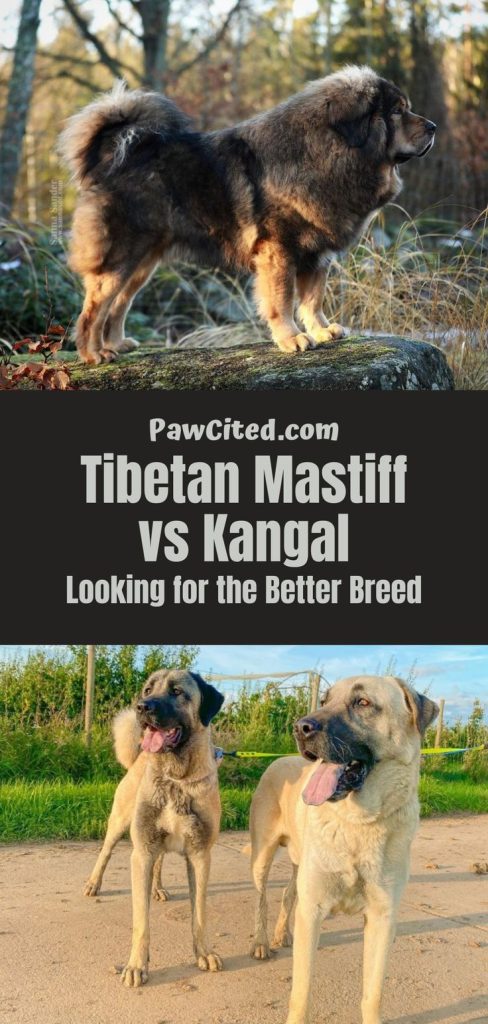
This exploration into the distinct characteristics of working and companion dog breeds highlights the rich tapestry of canine companionship in Nigeria. Whether you’re considering a protective ally or an affectionate family member, understanding these breeds’ unique abilities and temperaments can lead you to discover the perfect four-legged addition to your life.
SEE ALSO: Click here to read another article
Understanding the Roles of Working and Companion Dogs in Nigeria
Dogs, in their diverse forms, play different yet integral roles within Nigerian households. The choice between working and companion dog breeds is often influenced by multiple factors such as lifestyle, environment, and personal needs. By delving deeper into the differentiating characteristics of these dog categories, potential dog owners can make more informed decisions that harmonize with their daily lives and expectations.
Working Dog Breeds: Guardians and Helpers
Working dog breeds are characterized by their strong physical capabilities and intelligence, making them well-suited for carrying out specific tasks essential to human needs. In Nigeria, working dogs such as German Shepherds, Rottweilers, and Belgian Malinois exemplify the strength and loyalty required for jobs that range from securing properties to aiding in law enforcement.
- Security: Dogs like German Shepherds are commonly deployed in settings requiring heightened security due to their alertness and trainability. They excel in situations where guarding against intruders or threats is crucial.
- Agriculture: For those in rural areas, breeds like the Belgian Malinois are invaluable for herding livestock. Their keen instincts help protect cattle and goats from predators, while also ensuring that herds stay organized.
- Assistance Roles: Rottweilers are often utilized in police and military settings, where their robust frame and unwavering loyalty aid in maintaining public safety and assisting law enforcement officers.
However, it is essential to recognize that working breeds require not only physical exercise but also mental challenges to thrive. Training these dogs in obedience and specific tasks fosters a relationship that is rooted in mutual respect. Working dogs form a unique bond with their handlers, creating a partnership that often extends beyond mere functionality.
Companion Dog Breeds: Friends for Life
On the other side of the canine spectrum lies the realm of companion dog breeds, whose primary purpose is to provide emotional support and companionship. These breeds, including Poodles, Dachshunds, and Shih Tzus, embody characteristics that make them perfect for nurturing relationships in a family setting or as personal companions.
- Affection: Companion dogs offer unwavering loyalty and affection, responding to the emotional needs of their owners. Poodles, known for their intelligence, easily adapt to various household environments, making them ideal for urban living.
- Low-Care Needs: Breeds like Shih Tzus, with their smaller sizes and moderate activity levels, are often suited for city dwellers who may live in apartments with limited space.
- Companionship and Wellbeing: Studies indicate that having a dog can lead to increased mental and emotional well-being, as these furry friends often provide a sense of security and comfort to their human counterparts.
Pawing through the distinct roles of working and companion dog breeds reveals how integral they are to Nigerian lifestyles. As families weigh the choice between a vigilant protector and an affectionate friend, understanding these differences is key to selecting the right breed that fits seamlessly into their lives, ensuring joy and fulfillment in their companionship.
Benefits of Working and Companion Dog Breeds
The dynamic environment of Nigeria presents unique challenges that both working and companion dog breeds can address effectively. Understanding the strengths of these breeds can help pet owners make informed decisions tailored to their lifestyle needs. Below is a comparative table that outlines key advantages of each type of dog breed:
| Category | Characteristics |
|---|---|
| Working Dogs | Highly trainable, strong, and reliable in service roles like herding and protection. |
| Companion Dogs | Affectionate and friendly, these dogs excel in providing emotional support and companionship. |
| Adaptability | Working dogs thrive in diverse terrains, while companion breeds are suited for family environments. |
| Exercise Needs | Working breeds require rigorous activities, whereas companion breeds can manage with moderate exercise. |
Choosing the right breed based on the specific advantages of working and companion dogs can significantly impact the quality of interactions and relationship building with pets. As the pet ownership trend continues to rise in Nigeria, understanding these distinctions becomes crucial for potential dog owners looking for a perfect match.
CHECK OUT: Click here to explore more
Evaluating the Benefits and Challenges of Each Dog Category
As Nigerians consider welcoming a dog into their homes, it is crucial to evaluate not only the benefits but also the challenges that both working and companion dog breeds present. Understanding these aspects can significantly influence which type of dog aligns with an owner’s lifestyle, expectations, and environment.
Advantages of Working Dog Breeds
Working dogs, with their inherent drive and high energy levels, provide a range of advantages that can be particularly beneficial in various contexts within Nigeria.
- Enhanced Security: In a country where security concerns can be prevalent, breeds like the Rottweiler and the German Shepherd serve as formidable protectors of homes and properties. Their natural instincts for guarding are invaluable in providing peace of mind to families and businesses alike.
- Assisted Employment: Besides security, working breeds can significantly aid in professions such as farming or law enforcement. Their skills in herding, search, rescue, and tracking not only boost productivity but also enhance safety in challenging environments.
- Training and Discipline: Engaging with working dogs fosters a strong sense of discipline. Their training often requires a committed owner, which can strengthen the relationship between the dog and its handler, resulting in a collaborative relationship that thrives on mutual respect.
However, the responsibilities associated with owning a working dog breed should not be underestimated. Potential owners need to be prepared for the commitment that comes with their care, including rigorous training and daily exercise demands, as neglecting these needs can lead to behavioral issues such as anxiety or destructiveness.
The Allure of Companion Dog Breeds
In contrast, companion dog breeds appeal to those seeking emotional connection and unyielding loyalty without the extensive demands of working breeds.
- Adaptability: Companion dogs, such as Shih Tzus and Dachshunds, are generally more adaptable to varied living situations, which makes them perfect for both urban and rural settings. Their smaller size and lower energy needs result in less stress for owners living in compact spaces.
- Social Engagement: The presence of a companion dog often encourages social interactions, both within the family and with neighbors. Dogs act as a bridge for connection, fostering relationships and building a community around shared experiences of pet ownership.
- Therapeutic Effects: Numerous studies emphasize the psychological benefits of having a dog, particularly for companionship. Dogs provide emotional support, reduce feelings of loneliness, and even lower stress levels due to their playful and loving nature.
However, it is important to recognize that companion dogs still require care and interaction. While they may not demand the extensive training working breeds do, neglecting a companion dog’s social and emotional needs can lead to unwanted behaviors, such as excessive barking or separation anxiety.
Ultimately, understanding the intricacies of both working and companion dog breeds adds depth to the decision-making process for potential dog owners in Nigeria. By weighing the advantages and challenges presented by each category, families can choose a breed that harmonizes with their specific needs, lifestyle, and expectations, ensuring that their canine companion enriches their lives in meaningful ways.
YOU MAY ALSO LIKE: Read read another article
Conclusion: Navigating the Canine Landscape in Nigeria
In conclusion, the comparison between working and companion dog breeds in Nigeria reveals a fascinating dynamic that can guide potential dog owners in their decisions. Working dogs, with their innate abilities for guarding, supporting employment sectors, and fostering discipline, offer critical benefits in contexts marred by security challenges and agricultural demands. Breeds like the Rottweiler and German Shepherd shine in these roles, showcasing their capability as protectors and aids in various tasks.
Conversely, the charm of companion dog breeds lies in their unwavering loyalty and adaptability to diverse living environments. With breeds like Shih Tzus and Dachshunds thriving in urban settings, these dogs provide invaluable emotional support, act as social catalysts, and enhance the overall quality of life for families. Their presence not only alleviates loneliness but also cultivates community ties, making them cherished family members.
However, both categories demand responsible ownership and a commitment to their care. Potential owners must weigh factors such as lifestyle, space, and the time they can dedicate to training and engagement. By understanding the unique characteristics of each breed type, Nigerian families can choose the right canine companion that aligns perfectly with their needs and lifestyle, thereby ensuring a rewarding and enriching relationship. This journey into the canine world not only fosters personal joy but also contributes to a more connected and harmonious community within Nigeria.
Related posts:
Service Dog Breeds and Their Characteristics in Supporting People with Disabilities in Nigeria
Characteristics of Pet Animal Breeds Adaptable to Urban Environments in Nigeria
Cat Breeds and Their Adaptations to the Nigerian Climate
Impact of Genetic Characteristics on Dog Breeds for Nigerian Families
The Influence of Cat Breed Characteristics on Stress Reduction in Nigerian Households
The Importance of Physical Characteristics in the Selection of Cat Breeds for Urban Environments

Linda Carter is a writer and pet care expert specializing in pet health, grooming, and wellness. With extensive experience helping pet owners create safe, loving, and enriching environments for their animals, Linda shares her knowledge on our platform. Her goal is to empower readers with practical advice and strategies to ensure their pets thrive and lead joyful, healthy lives.