The Influence of Nutrition on the Dental Health of Pets
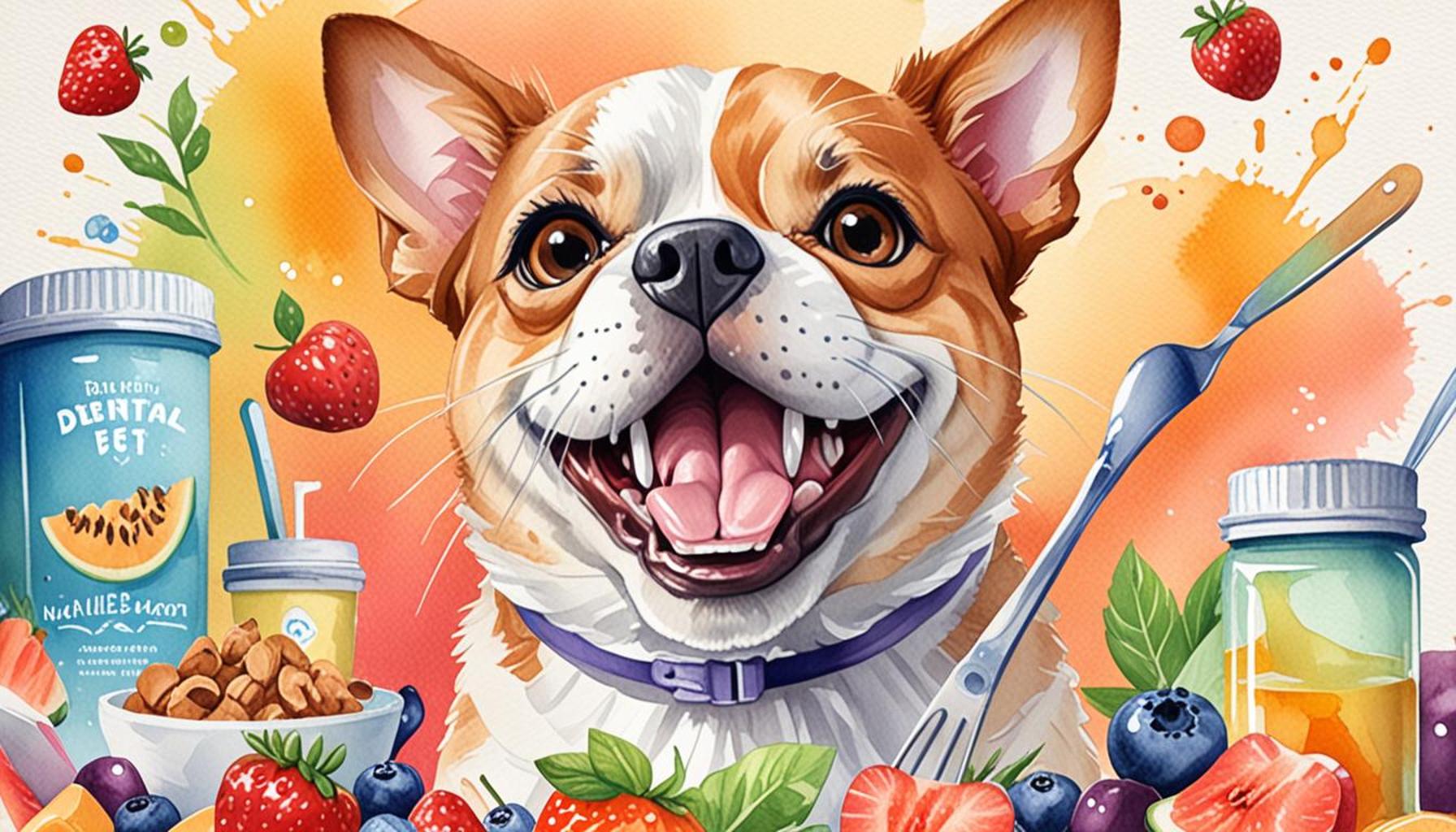
The Importance of Dental Health in Pets
Dental health is crucial for the overall well-being of our furry companions. In Nigeria, where proper pet care is becoming increasingly recognized, nutrition plays a vital role in maintaining healthy teeth and gums for pets. Amidst rising awareness, many pet owners still overlook the significance of a balanced diet in ensuring not only optimal health but also preventing dental issues.
Just like humans, pets require a balanced diet to support their oral health and prevent disease. A diet rich in essential nutrients can mean the difference between healthy teeth and painful dental problems. Here are some key factors to consider:
- Quality of Ingredients: High-quality proteins and nutrients can promote stronger teeth. Ingredients like calcium and phosphorus, often found in premium pet foods, help support the structural integrity of teeth.
- Type of Food: Dry kibble can help reduce plaque build-up compared to wet food. The crunchiness of kibble has a mechanical effect that helps scrape away food particles and plaque as pets chew. Brands such as Royal Canin or Hill’s Science Diet are well-regarded for maintaining dental health and are widely available in Nigerian pet stores.
- Dental Treats: Specially formulated treats can aid in cleaning teeth while satisfying your pet’s chewing instincts. Look for products labeled as “dental chews” that are designed to reduce tartar and plaque build-up, promoting oral health.
The influence of nutrition on dental health is multifaceted. Neglecting this aspect can lead to serious issues such as gum disease, tooth decay, and even systemic problems affecting other organs. For instance, bacteria from periodontal disease may enter the bloodstream, impacting the heart and kidneys, which can be particularly concerning for older pets.
Many pet owners may not realize that harmful bacteria can thrive in the mouths of pets with inadequate diets. This imbalance can lead to:
- Chronic bad breath, often an early warning sign of dental disease.
- Painful oral infections that can affect a pet’s ability to eat and enjoy food.
- Loss of teeth, which not only causes pain but can also lead to difficulty in chewing and a decreased quality of life.
As we delve further into this topic, it’s evident that making informed dietary choices is essential. In Nigeria, where access to diverse pet food brands is continuously growing, understanding the link between nutrition and dental health can empower pet owners to provide better care for their beloved animals. Consider consulting a veterinarian for recommendations tailored to your pet’s unique health needs. Moreover, regular dental check-ups play a fundamental role, as obesity and dental problems often go hand in hand. The earlier issues are detected, the easier and less costly they are to treat.
Engaging in this knowledge not only benefits your pet but contributes to a more informed community of pet owners. As awareness of the integral connection between nutrition and dental health grows, so too does the potential for healthier, happier pets.
RECOMMENDED: Check out this similar article
Understanding the Nutritional Needs for Optimal Dental Health
Pet owners in Nigeria may not fully appreciate how their pets’ nutritional intake directly influences their dental health. Just as a well-balanced diet is pivotal for our overall health, it plays an equally significant role in maintaining the oral hygiene of our pets. In this section, we’ll dive deeper into the components of pet nutrition that are crucial for sustaining strong, healthy teeth.
The foundation of pet nutrition lies in the right balance of macro and micronutrients. Key to your pet’s dental health are the following essential nutrients:
- Calcium: Vital for the development and maintenance of strong teeth and bones, calcium helps prevent dental problems. Appropriate calcium levels in your pet’s diet can reduce the likelihood of tooth decay and gum disease.
- Phosphorus: Working hand-in-hand with calcium, phosphorus assists in forming the hard structure of teeth. A deficiency can lead to weak enamel, making teeth vulnerable to plaque accumulation and cavities.
- Vitamin D: This vitamin facilitates calcium absorption, making it essential for maintaining the balance of these critical minerals. It contributes to stronger teeth and reduces the risk of periodontal disease, a common concern among pets of all ages.
- Omega-3 Fatty Acids: Present in fish oil, these healthy fats possess anti-inflammatory properties. They can help reduce gum inflammation and improve oral health, thereby decreasing the risk of dental diseases.
- Antioxidants: Found in various fruits and vegetables, antioxidants help combat inflammation and promote healing. Ingredients like blueberries or spinach can be valuable additions, ensuring your pet’s diet fosters overall health, including dental health.
In addition to understanding these nutrient components, pet owners must recognize the importance of hydration. Fresh water is essential not only for hydration but also in aiding the natural cleaning of teeth and gums as pets drink. Ensuring your pet has constant access to clean water can complement their diet by promoting oral health.
Furthermore, the timing and structure of meals matter. Feeding pets at consistent times and incorporating a mix of dry and moist food can create an effective strategy against plaque buildup. While dry kibble plays a significant role in mechanically cleaning teeth, even incorporating wet food can ensure pets receive adequate hydration and nutrition. Brands like Purina and Pedigree, known for their veterinary-backed formulas, often blend these food types for balanced nutrition.
The role of nutrition in a pet’s dental health cannot be overstated. Pet owners should consider the impact of dietary changes on their pet’s oral flora. Poor nutrition may result in a less balanced microbiome, allowing harmful bacteria to flourish and leading to chronic dental diseases. Consequently, fostering awareness of the nutrient dynamics involved in dental care is crucial to safeguarding your pet’s health.
As we explore the influence of nutrition on pet dental health further, it becomes glaringly clear that a proactive approach towards dietary choices can yield significant long-term benefits. The more we understand these connections, the better equipped we are to take care of our furry companions in Nigeria’s evolving pet care landscape.
| Nutritional Components | Impact on Dental Health |
|---|---|
| Calcium and Phosphorus | Essential for developing strong teeth and bone structure, calcium and phosphorus play critical roles in maintaining a pet’s oral health. |
| Fiber-Rich Diets | Dietary fiber can help reduce plaque buildup by providing a natural abrasive action during chewing, thus promoting dental hygiene. |
As pets consume food rich in essential nutrients, the direct effects on their dental health become evident. For instance, diets high in calcium sustain their enamel, preventing decay. Additionally, phosphorus works synergistically with calcium to ensure strong tooth roots and support overall gum health.Incorporating fiber into their meals can yield further benefits. Foods that promote chewing stimulate saliva production, which is vital for neutralizing harmful bacteria. Consequently, a balance of these nutrients not only contributes to healthy teeth but also fortifies the gums against inflammation and disease. When considering the impact of nutrition on pets’ dental well-being, exploring the various sources of these essential vitamins and minerals can lead to healthier, happier companions.
RECOMMENDED: Check out this similar article
Exploring the Connections Between Diet and Common Dental Issues
The relationship between nutrition and dental health in pets extends beyond simply preventing disease; it also plays a vital role in understanding common dental issues faced by pets. By exploring how specific dietary components can impact dental health, pet owners in Nigeria can arm themselves with the knowledge necessary to take preventive measures and foster healthier lives for their beloved companions.
One prevalent issue among pets is dental plaque and tartar buildup. This problem frequently arises from a diet rich in carbohydrates and sugars, which can create an inviting environment for harmful bacteria. Some commercial pet foods contain high levels of fillers and additives that contribute to dental negligence by promoting the accumulation of plaque. This makes it essential for pet owners to choose high-quality food options that have been specifically formulated to maintain dental health. For instance, look for brands that advertise dental care formulations or those that employ a texture that encourages chewing, as such factors can help reduce plaque formation.
Periodontal disease is another major concern often stemming from inadequate nutrition. A lack of essential nutrients can lead to weakened gums and teeth, causing issues like gum inflammation or, in severe cases, tooth loss. Researchers have noted that pets consuming a balanced diet with the right mix of essential nutrients—especially those rich in omega-3 fatty acids—had a reduced risk of developing periodontal disease. This underscores the importance of being mindful of your pet’s dietary composition to bolster overall dental health.
Moreover, pet owners should be aware of the role of chewable treats and dental toys in maintaining oral hygiene. These products can help reduce tartar and plaque buildup simply by promoting the act of chewing, which can be especially beneficial for dogs. Selecting treats made with natural ingredients, such as sweet potatoes or carrots, can provide nutrition while simultaneously enhancing dental care. For instance, locally sourced treats that use less processed ingredients can not only support the local economy but provide a healthier alternative to synthetic options.
Additionally, many pets are particularly fond of table scraps, which may seem harmless but can contribute significantly to dental problems. It is critical to educate pet owners on the high carbohydrate and sugar content of common human foods that are often fed to pets without considering their impact. Certain fruits, like grapes and raisins, can be toxic, while others loaded with sugar can lead to dental decay. Implementing strict guidelines about what can and cannot be shared can pave the way for improved oral health.
The effect of age on dental health cannot be overlooked either. As pets age, they may develop age-related dental issues, often exacerbated by poor dietary choices made earlier in life. A senior pet may benefit from specialized diets rich in fiber, but with a softer texture that is easier for them to chew. Nutritional products tailored to different life stages are becoming increasingly available in the Nigerian pet care market and are crucial in addressing the evolving needs of pets as they age.
In conclusion, understanding the intricate relationship between your pet’s diet and their dental health paves the way for more informed choices. By being proactive and selecting high-quality, nutritionally balanced food, pet owners can significantly reduce the risk of dental issues, ensuring a healthier, happier life for their furry friends. As the awareness of the importance of nutrition grows in Nigeria, so too does the responsibility of pet owners to prioritize holistic dental care through optimal dietary practices.
LEARN MORE: This related article may interest you
Final Thoughts on Nutrition and Your Pet’s Dental Health
In summary, the influence of nutrition on the dental health of pets is profound and multifaceted. As pet owners in Nigeria strive to improve the well-being of their furry companions, a focus on providing a balanced, nutrient-rich diet becomes paramount. By understanding how specific dietary choices impact dental issues such as plaque buildup, periodontal disease, and overall oral hygiene, pet owners can take proactive steps to ensure a lifetime of healthy teeth and gums.
Selecting high-quality pet food containing beneficial ingredients and avoiding high-sugar and high-carbohydrate options are essential strategies. Additionally, incorporating chewable treats and toys not only promotes dental health but also enriches the pet’s experience. Education on what human foods are safe for pets, coupled with specialized diets tailored to your pet’s life stage, underscores the importance of adopting sound nutritional practices.
Ultimately, embracing the connection between nutrition and dental health can transform the lives of pets and their owners alike. By fostering awareness and implementing effective dietary guidelines, pet owners can play an integral role in preserving their pet’s dental health, leading to happier, healthier companions. As this knowledge permeates through communities in Nigeria, it brings forth a renewed sense of responsibility toward a more holistic approach to pet care—where good nutrition lays the foundation for lifelong dental wellness.
Related posts:
The Role of Nutrition in the Prevention of Common Diseases in Dogs and Cats
How Animal Nutrition Affects the Health and Behavior of Pets
The Influence of Diet on the Physical Activity and Energy of Pets
Functional Nutrition: How Natural Foods Can Improve Pet Health
The Importance of a Balanced Diet for Dogs and Cats: Essential Nutrients and Supplementation
Hypoallergenic Diet: How to Choose Foods That Don't Irritate Your Pet

Linda Carter is a writer and pet care expert specializing in pet health, grooming, and wellness. With extensive experience helping pet owners create safe, loving, and enriching environments for their animals, Linda shares her knowledge on our platform. Her goal is to empower readers with practical advice and strategies to ensure their pets thrive and lead joyful, healthy lives.