Special Nutrients for Senior Pets: What to Consider
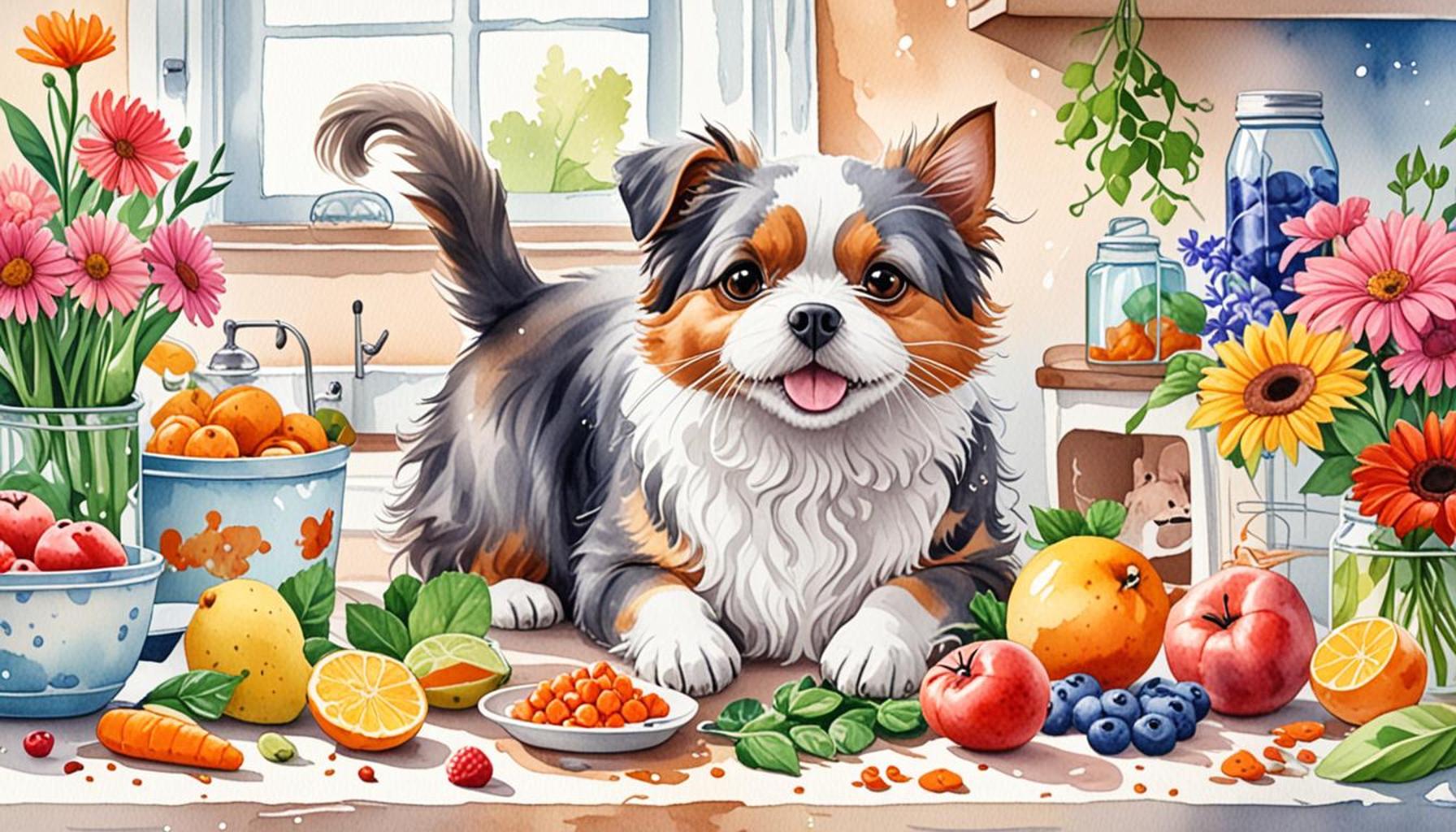
Exploring the Nutritional Shifts for Aging Pets
As pets progress into their senior years, their dietary requirements undergo significant transformations. Just as we adapt our diets to meet our changing health needs, so too must we consider the specific nutritional demands of our beloved older companions. This shift is essential, as it plays a vital role in combating health challenges commonly faced by aging pets, ultimately impacting their longevity and quality of life.
When evaluating the dietary needs of your senior pet, consider several crucial factors:
- Protein Levels: A decline in muscle mass is common in older pets, making it imperative to adjust protein levels. High-quality, easily digestible proteins should form a larger part of their diet. For example, incorporating lean meats like chicken or fish can help maintain muscle strength and energy.
- Joint Support: Many senior pets suffer from joint issues, including arthritis. To alleviate discomfort and improve mobility, addition of glucosamine and omega-3 fatty acids is beneficial. These ingredients help lubricate joints and reduce inflammation. Products that contain fish oil, often found available in local Nigerian pet shops, are excellent sources of these essential fatty acids.
- Digestive Health: Older pets often experience digestive challenges due to slower metabolism. A diet rich in fiber, such as pumpkin or sweet potatoes, can enhance digestive health and boost nutrient absorption. Additionally, high-fiber diets can help prevent obesity by promoting a sense of fullness.
- Vitamins and Antioxidants: Incorporating vitamins, particularly E and C, into your pet’s diet can be a powerful way to enhance their immune system. Antioxidants help combat oxidative stress, which is more prevalent in older pets. Fruits such as blueberries or vegetables like carrots can serve as natural sources of these valuable nutrients.
In Nigeria, the challenge of accessing high-quality pet food enriched with these vital nutrients can be daunting. Many local markets may not stock premium brands, but pet owners should explore options available at veterinary clinics or specialty pet stores, which often carry formulated senior pet diets. It’s advisable to engage with a veterinarian for tailored advice that meets the specific needs of your pet.
Ultimately, understanding and meeting your senior pet’s nutritional requirements is essential for fostering a healthy, active, and fulfilling life as they age. By taking the time to evaluate and adapt their diet, you can significantly enhance their overall well-being, ensuring that their golden years are both joyful and vibrant.
YOU MAY ALSO LIKE: Read read another article
The Importance of Tailored Nutrition for Senior Pets
As our furry friends age, their metabolic processes slow down, and their bodies demand a different nutritional profile to maintain optimal health. A balanced diet tailored to senior pets is essential not only for enhancing their longevity but also for improving their quality of life. Understanding specific nutrient requirements will aid pet owners in making informed choices that cater to the unique needs of their aging companions.
One of the most critical aspects to consider is hydration. Senior pets are particularly prone to dehydration, which can lead to severe health problems. Providing abundant fresh water is essential, but moisture-rich foods, such as canned dog food or even home-cooked meals, can help meet their hydration needs. This is especially pertinent in Nigeria’s often hot climate, where pets may need extra encouragement to stay hydrated.
Moreover, the shift in nutrient requirements is not confined to just protein and fiber; it’s essential also to pay close attention to fat content. While younger pets may benefit from higher fat levels for energy, senior pets often require less fat to prevent unnecessary weight gain, which can further exacerbate joint issues. Instead, healthy fats like those from fish oil or flaxseed oil can be introduced to support brain health and coat condition without contributing to excessive caloric intake.
Another significant consideration is the role of calcium and phosphorus in senior pet diets. These minerals are vital for maintaining healthy bones and teeth, particularly in aging pets that may already be experiencing the early signs of osteoporosis. Diets that are properly balanced in these nutrients are crucial, yet pet owners in Nigeria often struggle with sourcing premium diets that meet these specific mineral requirements. Therefore, consulting with local veterinarians can help identify suitable dietary options, including fortified foods or supplements that cater to senior pets.
Furthermore, probiotics are gaining recognition for their role in senior pet nutrition. As pets age, their gut health can decline, leading to digestive issues and a weaker immune system. Probiotic-rich foods can promote a healthy gut flora, enhancing digestion and nutrient absorption. Incorporating fermented foods or specially formulated probiotics into their diet can be an effective strategy to combat these challenges, ensuring that your pet receives the maximum benefit from their food.
Lastly, when making dietary adjustments for senior pets, it’s essential to consider the palatability of the food. Aging pets may develop a decreased sense of smell and taste, which can lead to decreased appetite. Choosing nutrient-dense foods that are also appealing in flavor will ensure that your pet remains engaged with their meals, making it easier to meet their nutritional needs.
By recognizing these vital components of senior pet nutrition, pet owners can make decisions that profoundly impact their pets’ health and happiness. With careful planning and consultation with veterinary professionals, you can help your senior pet thrive during their golden years, ensuring their needs are met with the utmost care.
Understanding the Nutritional Needs of Senior Pets
As our beloved pets age, their nutritional requirements change significantly. Senior pets often face a decline in physical activity and metabolism, which can lead to weight gain or obesity if their diet is not adjusted accordingly. One of the most critical aspects of a senior pet’s diet includes incorporating specialized nutrients that cater to their changing bodily functions. Senior pets require a high-quality protein source to maintain muscle mass and overall strength. Proteins should be easily digestible and derived from quality sources such as chicken, fish, or lamb. Additionally, senior pets often benefit from increased levels of omega-3 fatty acids, which are vital for promoting joint health and reducing inflammation.Another crucial nutrient to consider is dietary fiber, which aids in digestion and supports optimal gut health. Fiber is particularly essential for pets who may experience constipation or other digestive issues as they age. Moreover, antioxidants such as vitamins E and C must be included in the diet to combat oxidative stress and support cognitive function. These vitamins play a significant role in enhancing the immune system, keeping senior pets vigorous and less susceptible to diseases.Hydration also becomes a crucial factor in a senior pet’s nutrition. Older pets often have reduced thirst drives, which can lead to dehydration. Ensuring the availability of fresh, clean water and, in some cases, incorporating wet food into their diets can encourage adequate fluid intake.Understanding these specialized dietary needs allows pet owners to provide a balanced and nutritious diet, significantly enhancing the quality of life for their senior companions. Transitioning to foods formulated for senior pets can lead to long-lasting health benefits, ensuring they continue to enjoy their golden years.
| Nutritional Component | Benefits |
|---|---|
| High-quality Protein | Maintains muscle mass and overall strength. |
| Omega-3 Fatty Acids | Promotes joint health and reduces inflammation. |
| Dietary Fiber | Supports digestion and gut health. |
| Antioxidants | Enhances immune function and supports cognitive health. |
| Hydration | Helps prevent dehydration and promotes overall health. |
YOU MAY ALSO LIKE: Read read another article
Additional Nutritional Considerations for Senior Pets
In addition to hydration, fat content, calcium, phosphorus, and probiotics, there are several other vital nutrients that play critical roles in enhancing the health and vitality of senior pets. It is essential to create a holistic approach to senior pet nutrition, taking into account a range of nutrients that affect their overall wellbeing.
Omega-3 fatty acids are particularly beneficial for senior pets. These essential fatty acids, found in fish oils and certain plant oils, can help combat inflammation and promote cardiovascular health. Research indicates that Omega-3s can be beneficial for managing age-related health issues, including arthritis, cognitive dysfunction syndrome, and even chronic kidney disease, which can be prevalent in older pets. For pet owners in Nigeria, introducing fish-based meals, like mackerel or sardines, can be a flavorful source of these vital acids and can also be an affordable option when sourced locally.
Another important component to consider is fiber. Older pets may experience changes in their digestive systems, leading to constipation or other gastrointestinal issues. Incorporating fiber-rich foods, such as pumpkin or sweet potatoes, can aid in digestion and promote regular bowel movements. Additionally, fiber can help manage weight by providing a feeling of fullness, which is crucial as metabolism slows down with age.
Moreover, the addition of antioxidants to the diet can help senior pets fend off oxidative stress that accelerates aging. Antioxidants such as vitamins E and C, as well as beta-carotene, are known for their protective properties. These essential nutrients can often be found in colorful fruits and vegetables, such as berries, carrots, and leafy greens. Local pet food options, or even homemade diets that include these antioxidants, can provide a significant boost to the immune system of aging pets.
It is also advisable for pet owners to pay attention to the specific dietary needs based on breed and size. For instance, larger dog breeds may require specialized diets to support joint health, while smaller breeds may have different energy needs or dental health considerations. Owners should consult with local veterinarians knowledgeable about breed-specific diets, as these experts can provide valuable advice tailored to the unique requirements of different pets.
With the growing trend of natural and holistic pet foods in Nigeria, pet owners might explore options that emphasize wholesome ingredients and exclude artificial additives. This approach aligns well with the needs of senior pets, who benefit greatly from diets that prioritize nutrition over fillers. Always read labels carefully to understand what your pet is consuming and look for brands that offer transparency in ingredient sourcing.
Finally, pet owners should recognize the importance of regular veterinary check-ups to tailor their senior pets’ diets effectively. During these visits, vets can assess the pet’s health status and recommend dietary adjustments that cater to specific needs. Nutritional advice is often synergistic with medical care; as health conditions develop or change, so too should dietary plans, ensuring that senior pets receive the support they need during their golden years.
By incorporating these nutritional considerations into the diets of senior pets, owners can significantly influence their furry companions’ wellbeing, vitality, and overall quality of life. With informed decisions, patience, and a dash of creativity, feeding senior pets can transform into a fulfilling journey that enhances their golden years.
CHECK OUT: Click here to explore more
Conclusion
In conclusion, providing optimal nutrition for senior pets is crucial in enhancing their quality of life and ensuring they age gracefully. Incorporating special nutrients such as Omega-3 fatty acids, fiber, antioxidants, and addressing specific dietary needs based on breed and size can significantly impact their overall health and vitality. As these beloved companions transition into their golden years, a tailored diet can help mitigate the challenges posed by aging, such as decreased mobility, digestive issues, and compromised immune functions.
Pet owners in Nigeria should explore affordable and locally-sourced food options, such as fish-based meals rich in Omega-3s and vibrant fruits and vegetables filled with antioxidants. This investment in nutrition is not only beneficial but also vital for maintaining the happiness and energy levels of senior pets. As the demand for natural and holistic pet foods rises, it’s essential to prioritize wholesome ingredients while steering clear of artificial additives.
Furthermore, regular veterinary check-ups cannot be overstated. These consultations are invaluable for adapting dietary plans to ensure they meet the evolving needs of aging pets. By embracing a comprehensive approach to nutrition and healthcare, pet owners have the opportunity to significantly enhance their senior pets’ wellbeing and longevity. Ultimately, a thoughtful combination of nutritional knowledge and affectionate care will make for a fulfilling journey alongside our elderly companions, creating lasting memories in their twilight years.
Related posts:
Natural Food vs. Commercial Feed: What is Better for Your Pet?
The Importance of a Balanced Diet for Dogs and Cats: Essential Nutrients and Supplementation
How Nutrition Affects Ideal Weight and Obesity in Dogs and Cats
The Influence of Diet on the Physical Activity and Energy of Pets
Trends in Pet Nutrition: Plant-Based Diets
The Role of Nutrition in the Prevention of Common Diseases in Dogs and Cats

Linda Carter is a writer and pet care expert specializing in pet health, grooming, and wellness. With extensive experience helping pet owners create safe, loving, and enriching environments for their animals, Linda shares her knowledge on our platform. Her goal is to empower readers with practical advice and strategies to ensure their pets thrive and lead joyful, healthy lives.