The Importance of Hydration in Pet Nutrition
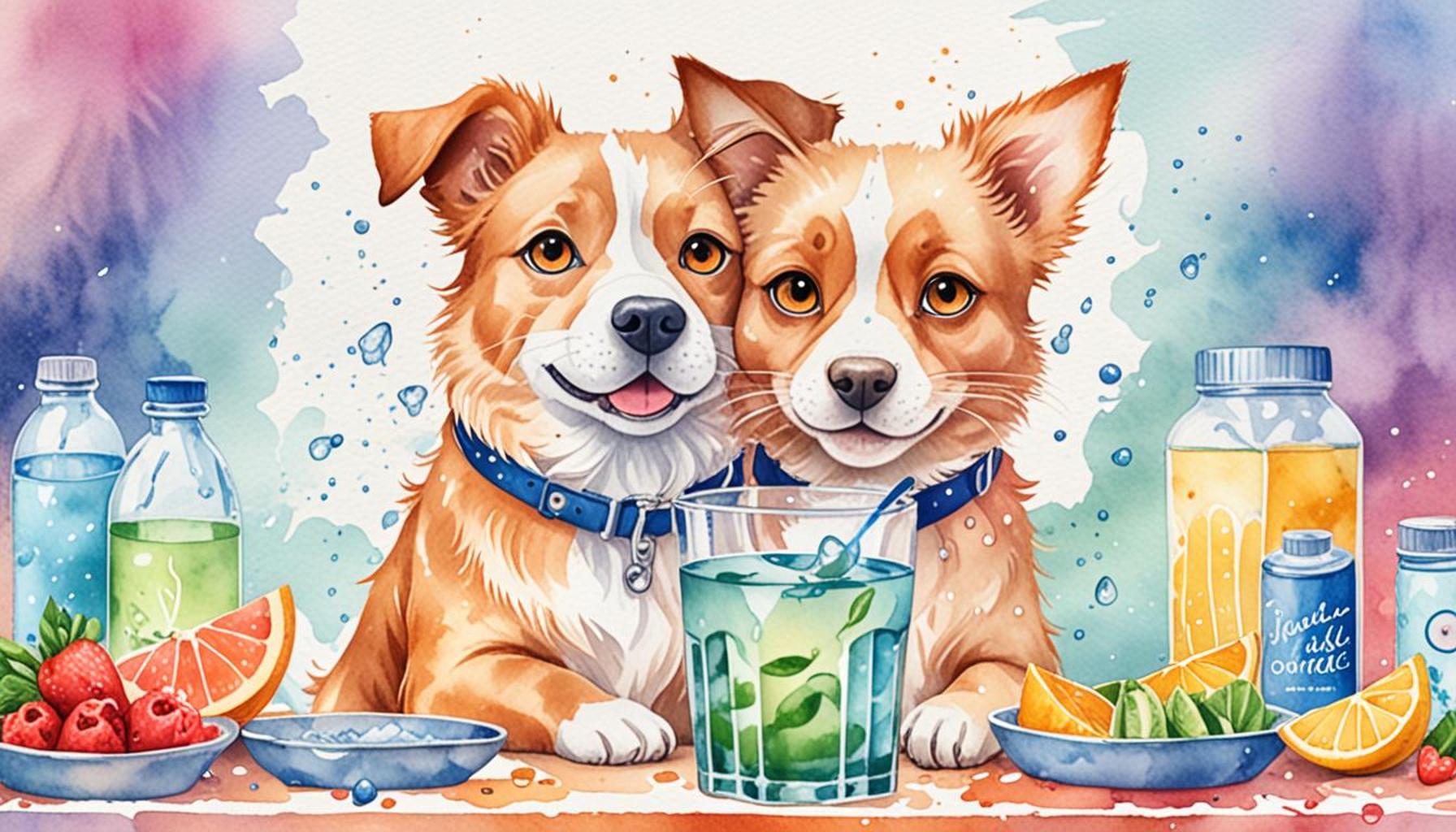
The Importance of Hydration for Pets
Water is often an overlooked aspect of our pets’ nutrition; however, it plays a critical role in their overall health and vitality. Just like humans, pets require adequate hydration to function optimally. Recognizing the significance of hydration can empower pet owners to make informed and healthier choices for their furry friends.
Regulating Body Temperature
Water helps keep pets cool, preventing overheating, especially in countries like Nigeria, where the climate can be exceptionally warm and humid. For example, during the hot season, dogs and cats can be more susceptible to heatstroke if they do not have access to fresh and clean water. Keeping pets hydrated not only helps in thermoregulation but also prevents the risks associated with excess heat, such as panting and excessive drooling.
Aiding Digestion
Another vital function of water is its role in digestion. Adequate water intake promotes healthy digestion by helping food move through the gastrointestinal tract. This is particularly important for pets that consume dry kibble as their primary diet. Dogs and cats rely on water to assist in breaking down their food and absorbing essential nutrients. For pet owners in Nigeria, it is crucial to ensure that pets have constant access to water, especially when feeding them dry, grain-based diets popular in the local market.
Supporting Physiological Functions
Water is vital for nutrient transportation and waste elimination. Every cell in a pet’s body requires water to perform its fundamental functions efficiently. In fact, the kidneys play a significant role in filtering waste from the bloodstream, and a proper intake of water ensures this process runs smoothly, reducing the risk of kidney disease. With the increasing number of pets diagnosed with renal problems, pet owners must recognize water’s preventive role in such health issues.
Recognizing Dehydration
Despite its importance, many pet owners remain unaware of their pets’ hydration needs. As a result, the risk of dehydration can lead to serious health issues. Symptoms such as lethargy, dry gums, and reduced appetite may indicate dehydration. In Nigerian communities, pet owners should also be aware of signs specific to local weather conditions. For instance, a pet that excessively pants or seeks shade may be experiencing heat-related stress.
As responsible pet caretakers, recognizing these signs and ensuring pets have consistent access to fresh water is crucial. In Nigeria, where the heat can be intense, understanding the importance of hydration cannot be overstated. The real question is: Are you doing enough to keep your furry friend hydrated? Implementing simple measures, like providing a clean bowl of fresh water at all times or incorporating wet food into their diet, can go a long way in ensuring their health and well-being. Prioritizing hydration not only helps pets thrive but fosters a deeper bond between owners and their beloved companions.
YOU MAY ALSO LIKE: Read read another article
Understanding Hydration Needs: A Key Element in Pet Nutrition
Hydration is not just a trivial requirement; it is a cornerstone of every pet’s nutrition plan. Just like a balanced diet, adequate water intake is essential for the health and well-being of your companion animals. Providing sufficient water can significantly influence your pet’s energy levels, mood, and overall health.
How Much Water Do Pets Need?
The precise hydration needs vary by species, size, activity level, and diet of pets. On average:
- Dogs: Require approximately 1 ounce of water per pound of body weight daily.
- Cats: Need around 2-4 ounces of water per 5 pounds of body weight each day.
However, these needs can fluctuate based on environmental conditions, such as temperature and humidity. In Nigeria’s tropical climate, pets may require more water, especially if they engage in physical activities or if they are exposed to high heat levels. Monitoring your pet’s water intake is crucial, especially during the sweltering months.
The Role of Age and Health in Hydration
Age and health status are critical factors in determining a pet’s hydration needs. Young animals, such as puppies and kittens, typically have a higher percentage of body water compared to adults, which makes it essential to ensure they stay properly hydrated to support their rapid growth and development. Similarly, senior pets may face challenges in maintaining hydration due to underlying health conditions, such as kidney disease or diabetes. Their water intake must be monitored more closely, and adjusting their diet to include high-moisture foods can be beneficial.
In addition to age, pets with specific medical needs may require tailored hydration plans. Many pets recovering from illness or surgery may need assistance to promote hydration, making it a vital aspect of their recuperation process.
Factors That Influence Water Consumption
Several variables can affect how much water a pet drinks, including:
- Diet: Pets consuming dry kibble will require more water compared to those on wet or canned food diets.
- Activity Level: Highly active pets will deplete their water reserves more rapidly, necessitating an increase in their intake.
- Weather Conditions: Hot and humid days, common in Nigeria, can lead to greater water loss through panting and increased perspiration.
Recognizing these variables ensures pets remain hydrated, vibrant, and full of life. Moreover, understanding your pet’s specific hydration requirements allows you to provide the best care possible, leading to a happier and healthier relationship with your furry companions.
| Category | Key Features |
|---|---|
| Water Regulation | Essential for maintaining body temperature and metabolic processes in pets. |
| Digestive Health | Aids in nutrient absorption and helps prevent constipation in pets. |
| Kidney Function | Critical for flushing toxins and waste from the body, promoting renal health. |
| Performance and Energy | Boosts stamina during physical activity and keeps pets active. |
Proper hydration for pets is not just about quenching their thirst; it’s about optimizing their overall well-being and supporting vital bodily functions. The role of water in pet nutrition is pivotal, as it impacts everything from temperature regulation to metabolism. Adequate hydration ensures that pets can efficiently digest their food, making nutrient absorption much smoother, thereby preventing common issues such as constipation. Moreover, avoid compromising kidney function, as water serves to flush out toxins and maintain renal health. Hydration plays an equally crucial role in enhancing performance for active pets. Whether your furry friend is a spirited puppy or an agile adult dog, suitable water intake significantly aids their energy levels, allowing them to partake in physical activities with vigor and vitality. Understanding the importance of hydration in your pet’s diet is essential for every pet owner who aims to promote a long, healthy life.
ADDITIONAL INSIGHTS: Expand your understanding here
Strategies for Ensuring Optimal Hydration
Ensuring that your pet stays adequately hydrated is not always straightforward. It requires a proactive approach, especially in regions with fluctuating weather like Nigeria, where heat can take a toll on your furry friends. Here are several practical strategies to help keep your pets hydrated:
Providing Fresh Water at All Times
Pets should always have access to clean and fresh water. It is advisable to change their water daily and wash their bowls regularly to prevent bacterial growth. In Nigeria’s warm climate, it is not uncommon for water left out for several hours to stagnate or warm up, potentially making it less appealing to drink. Keeping water cool, perhaps by utilizing insulated bowls during hot weather, can encourage your pets to drink more.
Incorporating Hydrating Foods into Their Diet
For many pet owners, incorporating moisture-rich food can be a game-changer in their furry companions’ hydration status. Wet or canned food varieties contain significantly more moisture than traditional dry kibble. In particular, pet foods that have been formulated with high moisture percentages can be a practical solution for ensuring adequate hydration. For example, if you have a dog or cat that primarily eats dry food, consider mixing in a portion of wet food or offering a few tablespoons of broth without added salt or seasoning for flavor.
Using Interactive Water Fountains
An increasing number of pet owners are turning to water fountains that provide a continuous flow of fresh water. These fountains can attract dogs and cats, encouraging them to drink more frequently. Pets instinctively prefer running water; hence, a fountain can become an exciting source of hydration for them. This is especially beneficial for cats, who can sometimes be finicky about drinking from standing water bowls.
Monitoring and Encouraging Water Intake
One effective way to ensure your pets are drinking enough water is to monitor their intake. You can use measuring cups or water marked bowls to keep track of how much they drink each day. If the amount seems low, consider some gentle encouragement, such as offering ice cubes as treats or playing with them outside where they can easily access water after exercising. This is particularly relevant during Nigerian summers, when hydration is crucial after outdoor play.
Educating Yourself About Signs of Dehydration
Understanding the signs of dehydration can be invaluable. Common indicators include lethargy, dry gums, sunken eyes, and a loss of skin elasticity. If you notice these symptoms, it is vital to take action immediately, such as providing water or wet food and seeking veterinary advice if the condition persists. Regular veterinary check-ups can also help track hydration levels and overall health, particularly for pets with underlying health issues.
In conclusion, maintaining optimal hydration for your pet is a fundamental aspect of their overall nutrition. By implementing the above strategies and remaining vigilant about their hydration needs, you can help ensure that your pets live healthier, happier lives. As dedicated pet owners, it is our responsibility to prioritize their well-being through proper hydration practices tailored to their specific needs.
LEARN MORE: This related article may interest you
Conclusion
In summary, the significance of hydration in pet nutrition cannot be overstated, especially in a climate as variable as Nigeria’s. As we have explored, the benefits of keeping your pets adequately hydrated extend beyond mere thirst quenching; it affects their overall health, well-being, and vitality. By ensuring access to fresh water, incorporating moisture-rich foods, and utilizing technological innovations such as interactive water fountains, pet owners can create an environment that promotes hydration.
Moreover, consistently monitoring your pet’s water intake and educating yourself about the signs of dehydration will empower you to take proactive measures in safeguarding their health. Know that proper hydration is not a solitary endeavor but a multidisciplinary effort that encompasses proper diet, regular veterinary care, and attentive pet ownership. It is essential to remember that hydration needs can vary based on activity level, weather conditions, and individual pet characteristics.
As you strive to enhance the lives of your beloved pets, take these hydration strategies to heart. Equipping yourself with knowledge and dedication will not only serve to protect your furry companions but also enhance the quality of your shared moments. Ultimately, your commitment to understanding and addressing the importance of hydration in pet nutrition is a stepping stone towards ensuring longer, healthier, and happier lives for your pets. Dive deeper into the world of pet nutrition, stay informed, and let’s create a happier, hydrated community for our four-legged friends.
Related posts:
The Importance of a Balanced Diet for Dogs and Cats: Essential Nutrients and Supplementation
The Influence of Diet on the Physical Activity and Energy of Pets
Nutritional Supplements: When and How to Use Them to Improve Your Pet's Health
Homemade Food for Pets: Safe and Nutritious Practices
Natural Food vs. Commercial Feed: What is Better for Your Pet?
How Nutrition Affects Ideal Weight and Obesity in Dogs and Cats

Linda Carter is a writer and pet care expert specializing in pet health, grooming, and wellness. With extensive experience helping pet owners create safe, loving, and enriching environments for their animals, Linda shares her knowledge on our platform. Her goal is to empower readers with practical advice and strategies to ensure their pets thrive and lead joyful, healthy lives.