Healthy Eating: How to Choose the Ideal Food for Your Pet
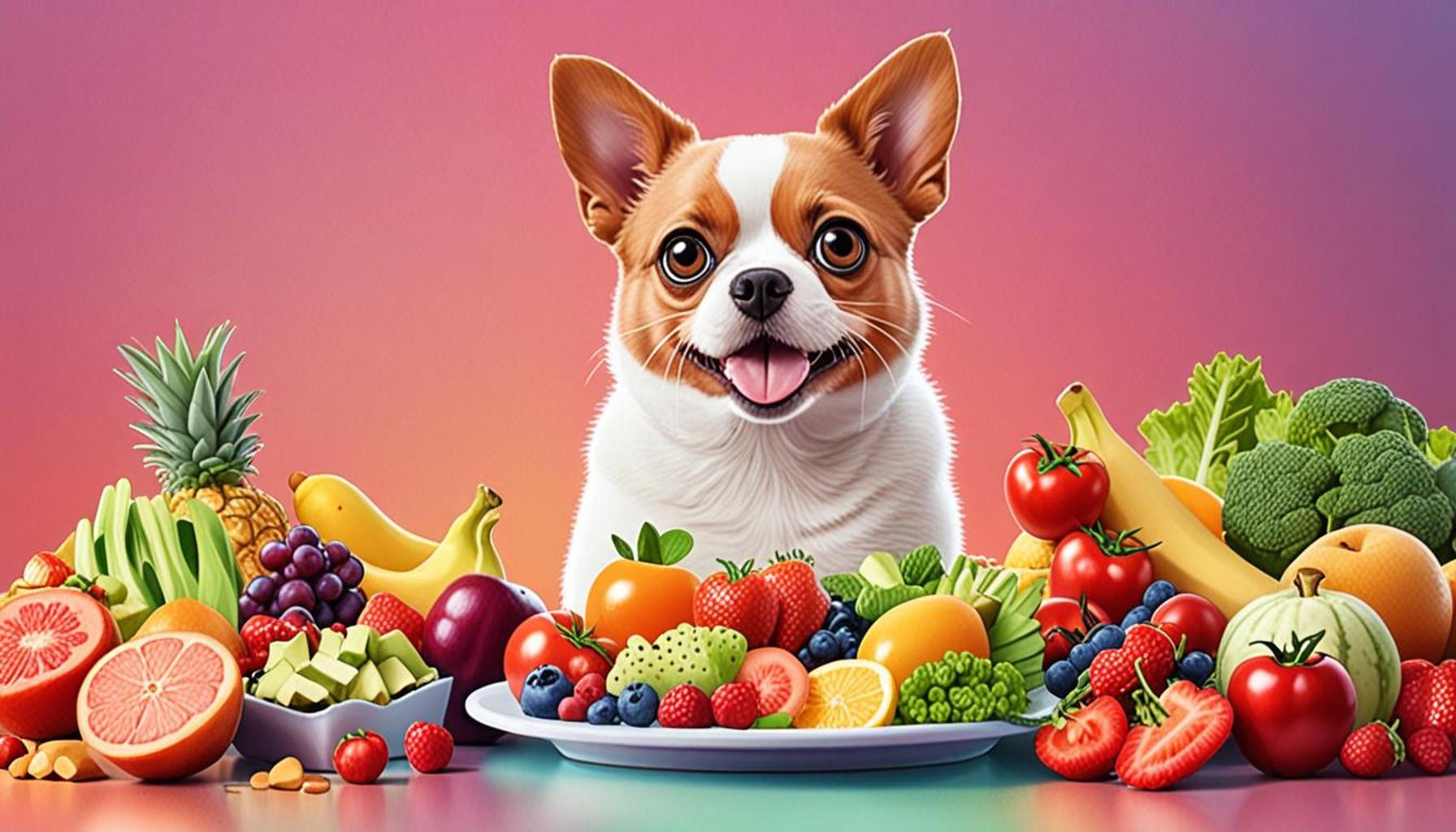
Understanding Pet Nutrition
Choosing the right food for your pet can feel overwhelming. With so many options available today, it’s essential to consider what truly constitutes healthy eating for our furry friends. This isn’t just about keeping them satisfied; it’s about ensuring their overall well-being and longevity.
Why Nutrition Matters
Just like humans, pets require a balanced diet to thrive. Proper nutrition helps:
- Boost immunity: A well-nourished pet is better equipped to fend off diseases and infections. Nutrients like vitamins A, C, and E play crucial roles in maintaining a robust immune system.
- Promote shiny fur and healthy skin: Essential fatty acids such as Omega-3 and Omega-6 are vital for a lustrous coat. These healthier oils can often be found in fish derivatives and certain plant oils, which are increasingly included in premium pet foods available in Nigerian markets.
- Enhance energy levels and mood: A balanced diet results in more vitality and a happier pet. Just as a high-sugar diet can make us feel lethargic, a diet high in quality protein will give pets the energy they need for play and exercise.
In Nigeria, pet owners are increasingly recognizing the importance of quality ingredients. Brands catering to local tastes and nutritional needs are emerging, making it easier than ever to provide your pet with the best diet possible. For instance, local brands may incorporate indigenous ingredients such as grains that are commonly consumed in Nigerian households, adapting to the unique nutrition requirements of pets living in the locale.
Identifying Ideal Food
When selecting food for your pet, consider these crucial factors:
- Protein Sources: Opt for real meats over fillers. High-quality protein sources such as chicken, beef, or fish should be the first ingredient listed on the label. Avoid foods that list meat by-products, which can be lower in nutritional value.
- Grain vs. Grain-free: Understand your pet’s specific dietary needs. While some pets may thrive on grain-free diets, others may require whole grains for energy. Seek guidance from your vet if you are unsure what is best for your pet.
- Additives: Minimize artificial colors, flavors, and preservatives. While these additives may enhance appearance and taste, they do not contribute to your pet’s health and can sometimes lead to allergic reactions.
As you navigate the multitude of choices, remember that your pet’s health starts with their diet. An increasing number of pet food brands in Nigeria are now prioritizing transparency, allowing owners to make informed decisions based on nutritional claims and ingredient sourcing. This article will take you on a deeper journey into healthy eating, helping you make informed decisions for your beloved companion.
In fine-tuning your pet’s diet, you’ll not only enhance their quality of life but also strengthen the bond you share. Engaging regularly with your veterinarian can also provide tailored advice specific to your pet’s health and lifestyle, ensuring they receive the nutrition they require at every stage of life.
RECOMMENDED: Check out this similar article
Navigating the Pet Food Aisle
The vast array of pet food options available today can leave many pet owners puzzled as to which is the best choice for their animal companions. In Nigeria, the growing market of tailored pet foods means that decisions are influenced not only by nutritional value but also by local preferences and ingredient accessibility. To successfully navigate this landscape, pet owners must understand the fundamental aspects of their pets’ dietary needs.
Key Nutritional Components
To effectively choose the right food, it’s important to familiarize yourself with the core nutrients that should be included in your pet’s diet. Here are the primary components to consider:
- Proteins: Proteins play a vital role in your pet’s growth and development. They are essential for cell repair and muscle building. Choose foods that contain high-quality protein sources, such as chicken, turkey, or fish, prominently listed in the ingredients.
- Fats: Healthy fats provide a concentrated energy source and are essential for absorbing certain vitamins. Omega-3 and Omega-6 fatty acids not only aid in maintaining a shiny coat but also support skin health and overall immune function.
- Carbohydrates: While not necessarily a primary need, carbohydrates serve as an energy source. Look for whole grains like brown rice or oats, which provide dietary fiber and promote digestive health. Avoid high levels of corn or wheat, which can lead to allergies in some pets.
- Vitamins and Minerals: These micronutrients are critical for various bodily functions, including bone health and metabolic processes. Ensure your pet’s food is fortified with essential vitamins and minerals to support overall well-being.
Understanding these components allows you to make informed choices in selecting the right pet food. Many brands are now formulating their products to include indigenous ingredients that resonate with the local environment, incorporating grains or supplements that cater to common nutritional deficiencies in domesticated pets in Nigeria.
Reading Labels Like a Pro
Equipped with knowledge about key nutritional components, the next step is mastering the art of reading pet food labels. The ingredient list is crucial; starting with a real source of protein followed by whole food ingredients is preferable to those dominated by fillers and artificial additives. Understanding the nutritional adequacy statement can also provide insights into whether the food meets the standards set by various regulatory organizations.
In addition to ingredients, pay attention to the caloric content to prevent obesity and ensure a proper balance between energy intake and expenditure. Working closely with your veterinarian can also provide more clarity regarding the ideal food based on your pet’s age, breed, and health history.
As you sift through the options available, consider not only what looks appealing in the package but also prioritize the health benefits that will contribute to your pet’s well-being. A well-nourished pet is undoubtedly a happier pet, and with the right food choices, you can play a pivotal role in their journey to better health.
Understanding Your Pet’s Nutritional Needs
Choosing the right food for your pet is not just about picking a brand; it requires a deep understanding of their individual nutritional needs. Just like humans, every pet has unique requirements based on their breed, age, weight, activity level, and health status. For instance, puppies and kittens need energy-rich diets that support their rapid growth, whereas senior pets may require diets that are lower in calories yet rich in fiber for digestive health. Understanding these requirements is crucial for promoting your pet’s vitality and longevity.
Ingredients Matter
When selecting pet food, scrutinizing the ingredients list is essential. Look for high-quality proteins listed as the first few ingredients, such as chicken, beef, or fish. Quality fats are also important for shiny coats and skin health. Avoid fillers like corn or soy, which provide little nutritional benefit. Additionally, consider foods that include fruits and vegetables, offering antioxidants to boost your pet’s immune system.
Reading Labels and Certifications
Reading labels can be daunting, but it’s critical for making informed choices. Look for AAFCO (Association of American Feed Control Officials) statements on the packaging to ensure the food meets the minimum nutritional standards for your pet type. This certification gives you assurance about the food’s quality and safety standards. Furthermore, consider brands that provide detailed information regarding their sourcing and processing methods, as transparency reflects their commitment to quality.
Paying Attention to Allergies and Sensitivities
Some pets suffer from food allergies or sensitivities that can drastically affect their health. Common allergens include beef, dairy, chicken, and wheat. If you notice symptoms like itching, gastrointestinal upset, or chronic ear infections, you may need to switch to a hypoallergenic diet. Consult your vet to identify potential allergens, and consider trying limited ingredient recipes that minimize exposure to common triggers.
| Category | Benefits |
|---|---|
| Protein-Rich Diets | Supports muscle growth and energy levels. |
| Natural Ingredients | Promotes better health and easy digestion. |
| Allergen-Free Options | Reduces the risk of allergic reactions. |
| Holistic Cares | Provides a balanced approach to overall health. |
Consulting with a Veterinarian
Always consult your veterinarian before making significant changes to your pet’s diet. They can provide personalized recommendations and help you navigate the diverse options available on the marketplace. Additionally, they can assist in formulating a diet plan that aligns with your pet’s specific needs, ensuring you invest in their health wisely. A balanced diet is the cornerstone of your pet’s well-being, leading to a happier and healthier life.
YOU MAY ALSO LIKE: Read read another article
Understanding Your Pet’s Unique Dietary Needs
As you embark on the journey of selecting the ideal food for your beloved pet, it’s essential to recognize that each animal has unique dietary requirements based on several factors such as age, breed, size, and health conditions. For example, puppies and kittens require a different blend of nutrients than adult or senior pets. Understanding these differences can help you make informed decisions, ensuring your pet receives the right balance of nutritional components.
Tailoring Diets by Life Stage
Different life stages dictate varying nutritional needs. For example:
- Puppies and Kittens: Young pets need nutrient-dense food rich in protein and fat for growth and energy. Formulas that support healthy brain development and vision are beneficial. Seek brands that advertise “growth” on the packaging to ensure they cater to these specific needs.
- Adult Pets: Once your pet reaches adulthood, it’s time to shift to maintenance diets. This food typically contains fewer calories to prevent obesity. Ingredients should focus on lean proteins, whole grains, and healthy fats to help maintain weight while providing essential nutrients.
- Senior Pets: Older pets may require fewer calories while needing increased fiber to assist digestion. In addition, incorporating supplements for joint health, like glucosamine, becomes more pertinent.
In Nigeria, pets often thrive on diets that are reflected in local cuisine, weaving in indigenous ingredients that may enhance nutritional value. For instance, locally sourced fish can serve as a rich protein source for dogs and cats alike.
Addressing Health Issues
If your pet has specific health concerns, it becomes even more critical to carefully select their food. Conditions like obesity, diabetes, allergies, or digestive issues demand diets tailored to manage these challenges effectively. Many reputable pet food brands now offer veterinary diets that are specifically formulated to address health issues:
- Weight Management: For overweight pets, look for foods that are labeled “light” or “weight management,” which feature a lower calorie count but still provide vital nutrients.
- Allergy Solutions: If your pet suffers from allergies, hypoallergenic diets made from novel proteins and limited ingredients can reduce reactions. Look for foods that substitute common allergens like beef or wheat with alternatives such as lamb or sweet potatoes.
- Dietary Sensitivities: Foods formulated for sensitive stomachs can often be identified by the inclusion of easily digestible ingredients and the absence of fillers.
It is advisable to consult your veterinarian before making a transition to a special diet, as they can help pinpoint the best options based on the unique health requirements of your pet. This collaborative discussion can enhance the efficacy of the dietary changes you plan to make.
Incorporating Fresh Foods
In addition to commercial pet food, incorporating fresh foods can contribute to a balanced diet. In Nigeria, certain fruits and vegetables can safely supplement your pet’s meal, provided they are non-toxic and in moderation. Foods such as sweet potatoes, carrots, and even watermelon can offer additional nutrients and hydration. Some pet owners have found success in preparing homemade meals that cater to their pets’ specific tastes while ensuring nutritional adequacy through careful planning.
However, it is crucial to educate yourself on the appropriate types and quantities of human foods that are safe for pets to consume alongside their regular diet. This combination approach can enhance both the palatability and the health benefits of the meals you provide.
ADDITIONAL INSIGHTS: Expand your understanding here
Conclusion
In the quest for your pet’s well-being, selecting the ideal food is paramount. The importance of understanding your pet’s unique nutritional needs cannot be overstated. By tailoring diets to suit different life stages—whether they are playful puppies, energetic adults, or wise seniors—you pave the way for a healthier, happier life for your furry friends. Moreover, addressing health issues through specialized diets helps manage conditions that could impact their quality of life.
As you incorporate fresh, locally sourced ingredients into their diet, remember to educate yourself about which foods are safe for your pets. In Nigeria, using fruits and vegetables that complement their meals can lead to exciting culinary experiences for your pets, keeping their taste buds engaged while enhancing their nutritional intake.
Ultimately, it is essential to work hand in hand with your veterinarian to fine-tune your pet’s diet. Their expertise can guide you in identifying the right food that not only meets nutritional requirements but also suits any health-related concerns your pet might have. Through informed choices and a broader understanding of pet nutrition, you can contribute significantly to your pet’s longevity and vibrancy.
With every meal, you have the opportunity to support your pet’s health and happiness. Take the time to choose wisely, and you will witness the fruits of your commitment in the joyful wag of a tail or the soft purr of contentment.
Related posts:
The role of hygiene in disease prevention in pets
The importance of mental activity and interactive games for pets in urban environments
How to Choose Safe and Suitable Toys for Different Types of Pets
Why Cat Socialization Is Crucial for a Healthy Home Environment
Essential Dog Care Tips for Health in Nigerias Tropical Climate
The Importance of Socializing Pets for Emotional Well-Being

Linda Carter is a writer and pet care expert specializing in pet health, grooming, and wellness. With extensive experience helping pet owners create safe, loving, and enriching environments for their animals, Linda shares her knowledge on our platform. Her goal is to empower readers with practical advice and strategies to ensure their pets thrive and lead joyful, healthy lives.