The Importance of Balanced Nutrition for Long-Term Canine Health
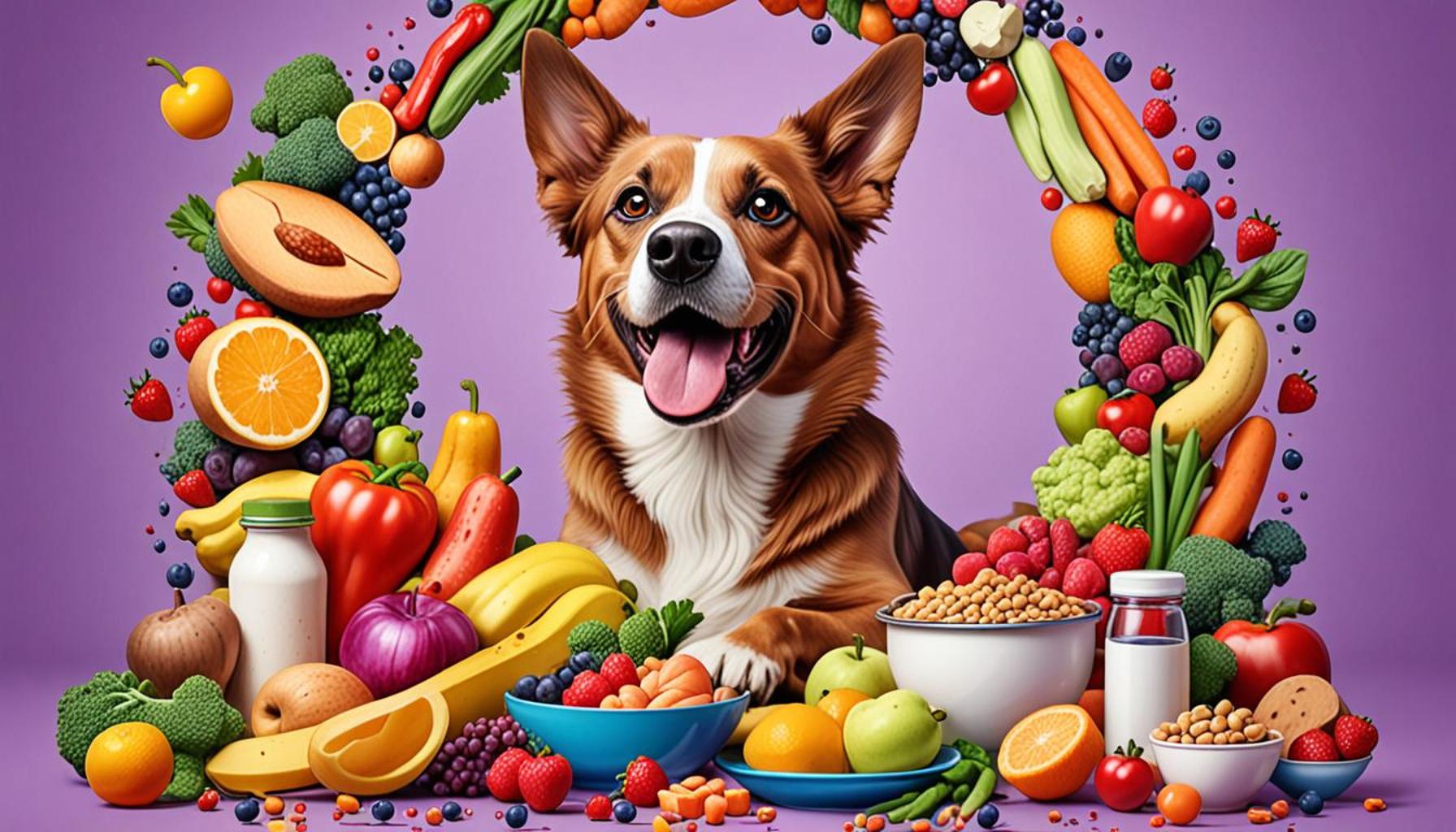
Understanding Canine Nutrition
Dogs are more than just pets; they are family members. To ensure their health and happiness, providing balanced nutrition is crucial. This aspect of canine care significantly influences their quality of life, longevity, and overall well-being. Much like humans, dogs require a diet tailored to their specific needs, which can vary based on their age, size, breed, and activity level.
Key Components of a Balanced Diet
A nutritious diet for canines includes various key components that work in harmony to deliver optimal health benefits:
- Proteins: These are the building blocks of a dog’s body, essential for muscle development and maintenance. High-quality protein sources include meat, fish, eggs, and legumes. For instance, in Nigeria, incorporating local meats such as chicken and goat can provide the necessary amino acids that support muscle health.
- Carbohydrates: While dogs are primarily carnivores, carbohydrates play an important role by providing energy for daily activities and play. Foods such as rice, oats, and sweet potatoes are excellent sources. Adding a bit of yam from local markets can diversify their diet, ensuring they have the energy to engage in joyful runs and playful antics.
- Fats: Healthy fats are important for skin and coat health, as well as serving as energy reserves. Sources of good fats include fish oil and flaxseed oil. In Nigeria, you might consider using palm oil in moderation, as it can benefit both the coat and overall energy levels of dogs.
- Vitamins and Minerals: These essential nutrients support immune function and bone health. Fresh fruits and vegetables—such as carrots, spinach, and bananas—can be excellent additions to enhance a dog’s nutritional profile.
The Consequences of Poor Nutrition
Neglecting a dog’s dietary needs can lead to troubling health issues that are increasingly recognized in dogs across Nigeria:
- Obesity: This is becoming increasingly common, especially in densely populated urban areas where lifestyle changes can limit physical activity.
- Digestive Problems: These may range from simple issues like diarrhea and flatulence to more severe conditions that may require veterinary intervention.
- Decreased Lifespan: Chronic illnesses resulting from poor nutrition—such as diabetes and heart disease—can lead to a decreased lifespan and a diminished quality of life.
In Nigeria, an understanding of balanced nutrition must take into account the unique local dietary components available. Certain traditional foods, when combined correctly, can contribute significantly to a canine’s health journey. For instance, mixing cooked beans with rice can provide protein and carbohydrates in a balanced meal. Additionally, exploring local veterinary resources can help pet owners find suitable nutritional advice tailored to the specific needs of their dog.
As we delve deeper into the subject, discovering tailored dietary strategies becomes more attainable. Ensuring our canine companions thrive is not just a responsibility; it is an opportunity to enhance the bond we share with them, guaranteed by understanding and prioritizing their nutritional needs.

ADDITIONAL INSIGHTS: Expand your understanding here
The Building Blocks of Fido’s Health
Providing a dog with balanced nutrition is akin to laying a solid foundation for a house; without it, everything that follows—be it health, behavior, or energy—will be compromised. The components of canine nutrition are intricate and interconnected, and understanding their importance is essential for pet owners, especially in Nigeria where diverse food options are abundant.
Exploring Nutritional Categories
Within the realm of dog food, there are specific categories that contribute significantly to overall health and vitality. Here’s a closer look at them:
- High-Quality Proteins: Dogs thrive on protein-rich food sources that provide essential amino acids. These proteins not only help in muscle repair but also in maintaining a robust immune system. Common protein sources in Nigeria include locally sourced meats like chicken, goat, and even fish, which can serve as excellent bases for meals.
- Complex Carbohydrates: While dogs primarily need protein and fats, carbohydrates serve as a secondary energy source, fueling their playful nature. Ingredients such as rice, yam, and even plantains can be nutritious additions that cater to their energy needs. Cooking these with local herbs can make them more appealing and beneficial.
- Essential Fats: Healthy fats are crucial for maintaining a shiny coat and healthy skin. They also facilitate the absorption of fat-soluble vitamins. Omega-3 and Omega-6 fatty acids can be sourced from fish oil or flaxseed oil, while palm oil, used judiciously, can improve nutritional value without causing weight issues.
- Vitamins and Minerals: Just like humans, dogs require a variety of vitamins and minerals to support their bodily functions. Fresh vegetables like carrots, leafy greens, and fruits such as bananas can enhance the nutritional profile of their meals, lending essential nutrients to keep their immune system strong and bones healthy.
As owners, choosing the right balance of these components will depend on the dog’s age, breed, and lifestyle. For example, puppies demand more protein and fat as they are in a rapid growth phase, whereas older dogs may require fewer calories and more fiber to support digestion. Various local resources, including feed stores and veterinarians, can guide you in tailoring a diet that aligns with your dog’s specific requirements.
The Impact of Nutritional Imbalance
Ignoring the nutritional needs of dogs can have serious consequences, both immediate and long-term:
- Weight Gain and Obesity: An excessive caloric intake, often from low-quality dog food, can lead to obesity. This is especially concerning in urban Nigeria, where lifestyle changes may reduce exercise levels.
- Digestive Issues: An unbalanced diet can cause various digestive problems—from mild gas and diarrhea to severe gastrointestinal distress that may necessitate veterinary care.
- Chronic Health Problems: Over time, inadequate nutrition can pave the way for chronic diseases, such as arthritis, heart issues, and diabetes, severely impacting a dog’s quality of life.
As pet owners, understanding these elements of canine nutrition is not just a matter of meeting basic needs, but an opportunity to enrich the lives of our furry friends. Prioritizing a balanced diet fosters not only optimal health but strengthens the bond we share with our beloved dogs.
| Nutritional Component | Impact on Health |
|---|---|
| Proteins | Essential for muscle growth, repair, and overall energy. |
| Vitamins and Minerals | Supports immune function and helps in preventing diseases. |
| Fats | Provides energy and promotes a healthy coat and skin. |
| Fiber | Aids in digestion and maintains a healthy weight. |
Balanced nutrition is crucial in establishing and maintaining the long-term health of your canine companion. Consistent deficiencies in nutrients can lead to serious health issues, such as obesity, diabetes, and heart disease. Each component of a dog’s diet plays a significant role in their overall wellness, making it essential for pet owners to understand the implications of their dietary choices.
For instance, proteins are vital not only for strength but also for the repair processes when your pet experiences injuries or strenuous activities. Similarly, vitamins and minerals serve as key players in supporting the immune system, which is crucial for warding off illnesses common in dogs. Fats, often misunderstood, are necessary for energy production and are essential for maintaining healthy fur and skin.
Lastly, fiber should not be overlooked; it serves as a regulatory agent in digestion, ensuring that your dog remains at a healthy weight and avoids gastrointestinal issues. By carefully selecting a nutritionally balanced diet, you’re investing in your dog’s long-term health, enabling them to live a happier and more energetic life.
LEARN MORE: This related article may interest you
The Role of Hydration in Canine Nutrition
When discussing balanced nutrition for dogs, it is crucial not to overlook the significance of hydration. Water serves as the unsung hero in the world of canine health. It plays a fundamental role in every aspect of a dog’s bodily function—from aiding digestion and nutrient absorption to regulating body temperature and joint lubrication. In Nigeria, where the climate can be quite hot, ensuring that our canine companions have access to fresh, clean water is essential.
Understanding Water Requirements
Dogs need a steady supply of water that correlates with their diet, size, and physical activity levels. Typically, a dog should drink approximately one ounce of water for every pound they weigh. For instance, a 20-pound dog may require around 20 ounces daily. Many owners may not realize that dry kibble is low in moisture and can lead to dehydration if not paired with adequate water intake.
Additionally, the type of diet a dog consumes can influence their hydration needs. If a dog is fed primarily dry food, providing extra water becomes even more critical. Incorporating wet food or moisture-rich ingredients like vegetables can improve hydration while adding nutritional value to meals.
The Impact of Dehydration
Dehydration can have severe consequences on a dog’s health, affecting everything from their energy levels to organ function. Some of the signs of dehydration include:
- Loss of skin elasticity: A quick skin pinch test can reveal hydration levels; if the skin doesn’t return to its proper position quickly, it may indicate dehydration.
- Sunken eyes: A visible sign can indicate a need for immediate hydration.
- Dry mouth and gums: Healthy dogs generally maintain moisture in their mouths.
As a pet owner, it is essential to monitor your dog’s hydration, especially in warmer environments. Local innovations, such as using water bowls that have built-in filters or automatic dispensers, can encourage dogs to drink more frequently.
Avoiding Common Pitfalls
While we strive to provide balanced nutrition, some common pitfalls can lead to nutritional imbalances. These include:
- Table Scraps and Leftovers: Although it may be tempting to share your meals with your furry friend, not all human food is safe for dogs. Certain foods, like onions, chocolate, and grapes can be toxic. These ingredients can disrupt your pet’s nutritional balance and possibly lead to long-term health issues.
- Over- or Under-Supplementing: While vitamins and minerals are essential, an excess can lead to toxicity. Owners should consult with veterinarians before introducing any supplements to a dog’s diet.
- Relying Solely on Commercial Dog Foods: Not all commercial dog foods are created equal. Some may contain fillers or lower nutritional quality. It can be beneficial to prepare homemade meals under veterinary guidance or supplement store-bought food with fresh, whole ingredients for better balance.
Maintaining an awareness of these pitfalls can enhance a dog’s well-being, leading to a healthier, happier life. Balanced canine nutrition is not just about the food itself—it’s an ongoing commitment to understanding and fulfilling your dog’s biological and emotional needs.
ADDITIONAL INSIGHTS: Expand your understanding here
Conclusion: The Cornerstone of Canine Well-Being
In summary, balanced nutrition is the foundation of long-term canine health, impacting everything from energy levels and immune function to overall longevity. As pet owners, it is our responsibility to ensure our four-legged friends receive a diet rich in essential nutrients that cater to their specific needs. By understanding the importance of hydration and being aware of the common pitfalls in dog nutrition, we can take significant steps towards enhancing their quality of life.
It is crucial to recognize that nutritional needs can vary significantly among individual dogs based on factors like age, breed, activity level, and even climate conditions prevalent in Nigeria. Pet owners should consider engaging with veterinarians for tailored dietary advice and to explore the potential of homemade meals, always keeping an eye on ingredients that may be harmful. This informed approach not only contributes to physical health but also fosters a deeper emotional bond with pets, as we actively participate in their well-being.
The journey towards tailored canine nutrition is both enriching and rewarding. As we delve further into understanding the specific dietary requirements of our dogs, we open doors to a healthier future for them. Ultimately, practicing balanced nutrition is not just a routine; it’s a lifelong commitment to the vibrant lives of our beloved companions. Prioritizing their nutritional health will undoubtedly pave the way for happier, active, and longer lives, allowing us to cherish their presence for many years to come.
Related posts:
Functional Nutrition: How Natural Foods Can Improve Pet Health
How Nutrition Affects Ideal Weight and Obesity in Dogs and Cats
Specific Diets for Pets with Food Allergies
The Role of Nutrition in the Prevention of Common Diseases in Dogs and Cats
Nutrition and Cognitive Development in Puppies and Kittens
Homemade Food for Pets: Safe and Nutritious Practices

Linda Carter is a writer and pet care expert specializing in pet health, grooming, and wellness. With extensive experience helping pet owners create safe, loving, and enriching environments for their animals, Linda shares her knowledge on our platform. Her goal is to empower readers with practical advice and strategies to ensure their pets thrive and lead joyful, healthy lives.